At Wâpôhow, we help clients restore traditional environmental stewardship techniques within the urban environment and modify our footprint for the benefit of all future generations.
We work with clients on First Nations Reserve Land, rural, and urban land, as well as residential, commercial, and municipal land
Our Services
At Wâpôhow Environmental we love butterflies!
Our mission is to help build an island-wide ButterflyWay through assisting with the creation of micro gardens. Many small urban gardens can have a huge regional impact.
We are experts at managing small spaces. We started with a bare 130 sq ft brick patio and grew a jungle with over 70 native species. Not only was it an amazing space, but we also got to enjoy a natural temperature moderation of the house -without the energy bill!
Whether you are looking to support a specific pollinator, or just a general pollinator garden, please ask for our help! We are available to come see your space and help make manageable and realistic recommendations for a thriving pollinator garden, whatever your space limitations are!
Residential butterfly gardens
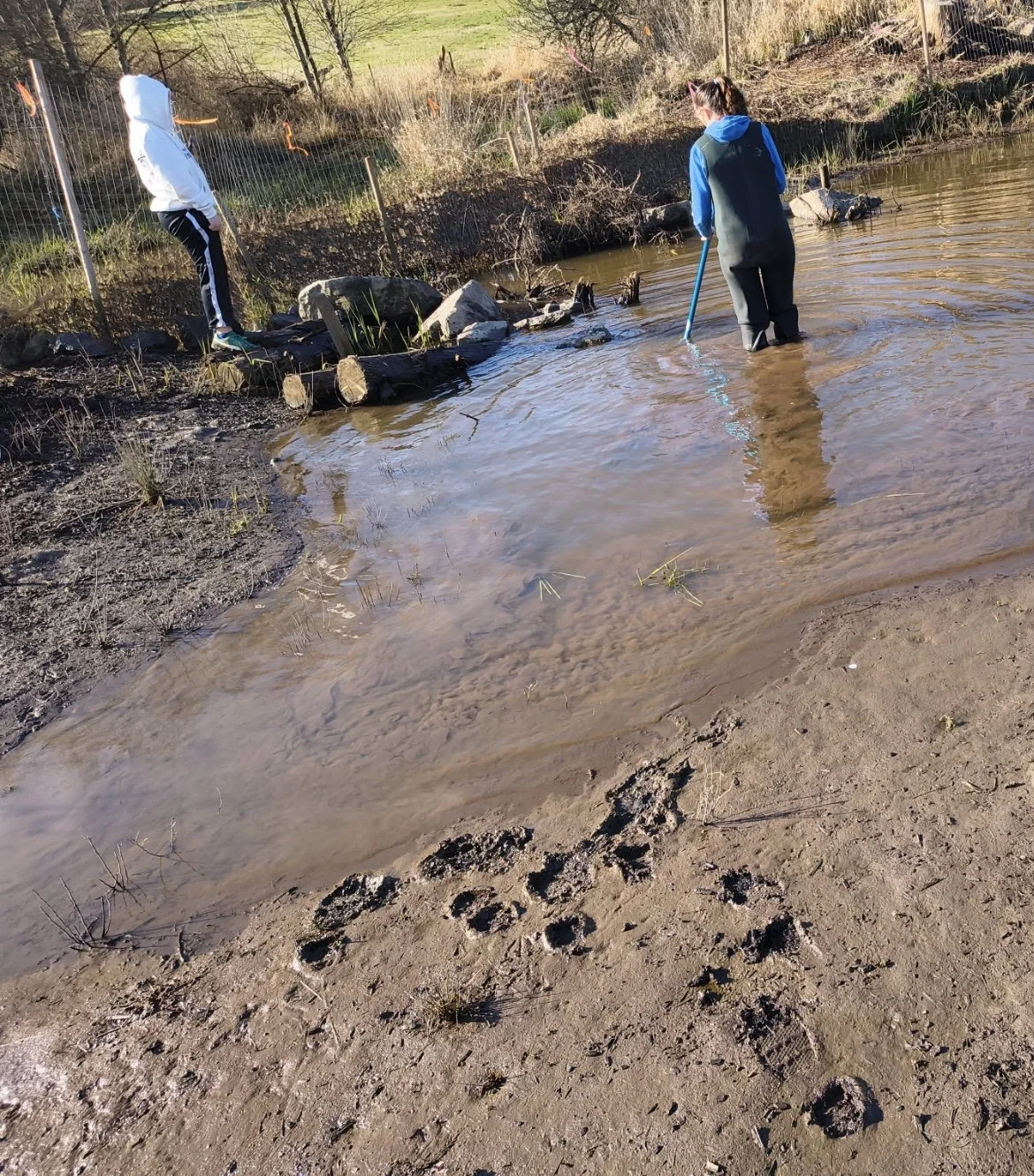
Canadian Aquatic Biomonitoring Network (CABIN) Freshwater streams and wetlands protocols
Complete ecosystem mapping and reference system comparison
A macroinvertebrate sample is taken via a 3-minute kick with a 400 micrometer net and preserved in 70% ethanol. The invertebrate population is subsampled and identified. A report, complete with diversity indices is produced as an xlsx or csv file.
Cabin Sampling
RAPR assessments
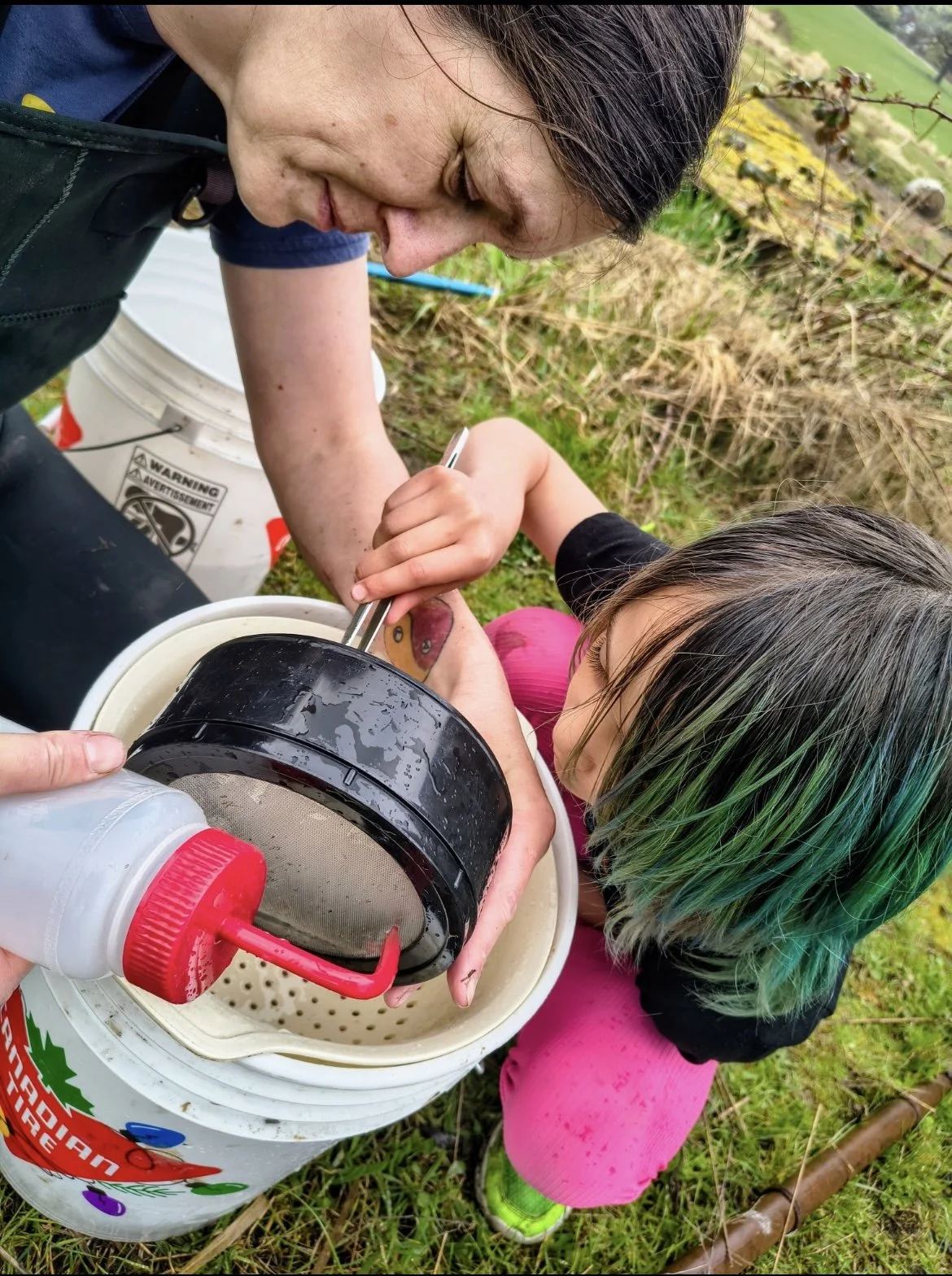
Riparian Area Protection Regulation Assessments
RAA is established for a development proposal. Simple assessments, or a detailed assessment, we are qualified to be your Primary QEP.
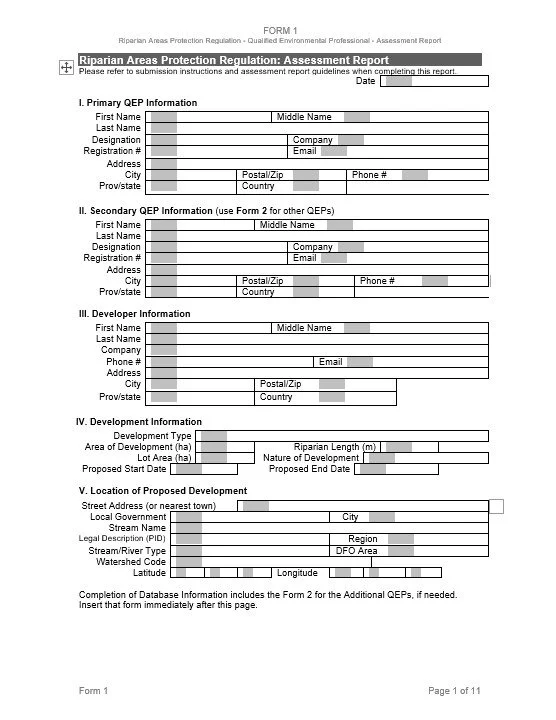
Macroinvertebrate Identification
We are working on becoming trained in invertebrate identification through Ontario Benthos
Biomonitoring Network (OBBN) and certified in taxonomy with the Society for Freshwater Science. When we offer macroinvertebrate ID consultations, it will be posted here.
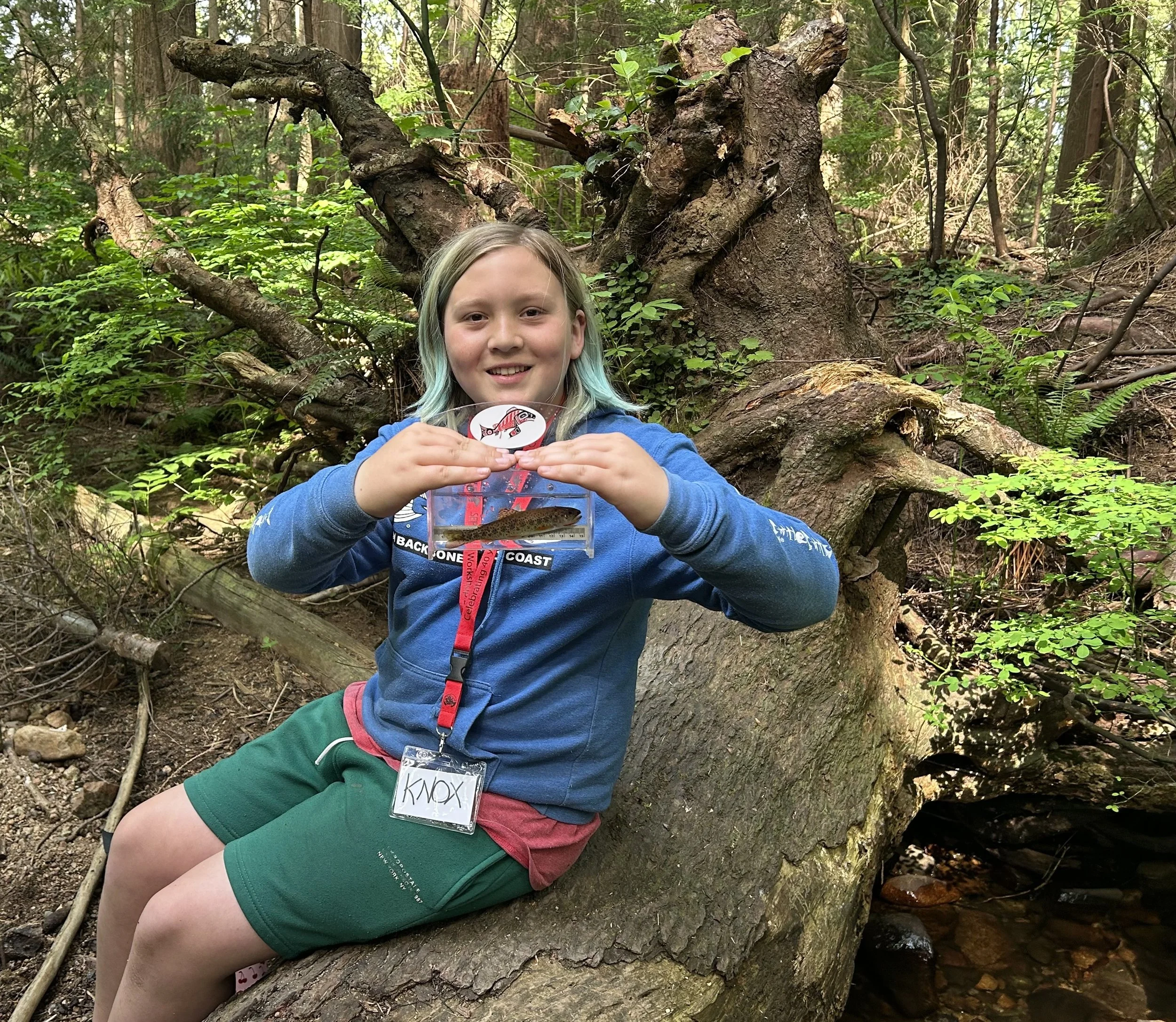
Year -round, on the spot, no-kill sampling. Pacific Streamkeeper methods also optionally includes: Introductory stream habitat surveys, advanced stream habitat surveys, water quality surveys (field methods), restoration activity identification and advice, riparian planting advice.
Pacific Streamkeeper Identification
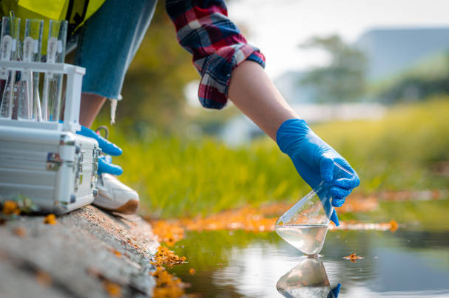
Traditional water quality sampling
Choose from our list of available water quality tests.
Water Sampling
-
Temperature, pH, Dissolved oxygen, Nitrates, Phosphorus, Salinity, Turbidity/Light penetration, Flow measurements
-
Alkalinity, NH4, EC , TKN, NO3, NO2
Ortho-PO4, TPO4, DTPO4, TDS, TSS, Turbidity, Coliforms, Enterococci, Iron & Sulfur Bacteria, Yeast & Fungi, Total Plate Counts (Heterotrophic & Anaerobic)
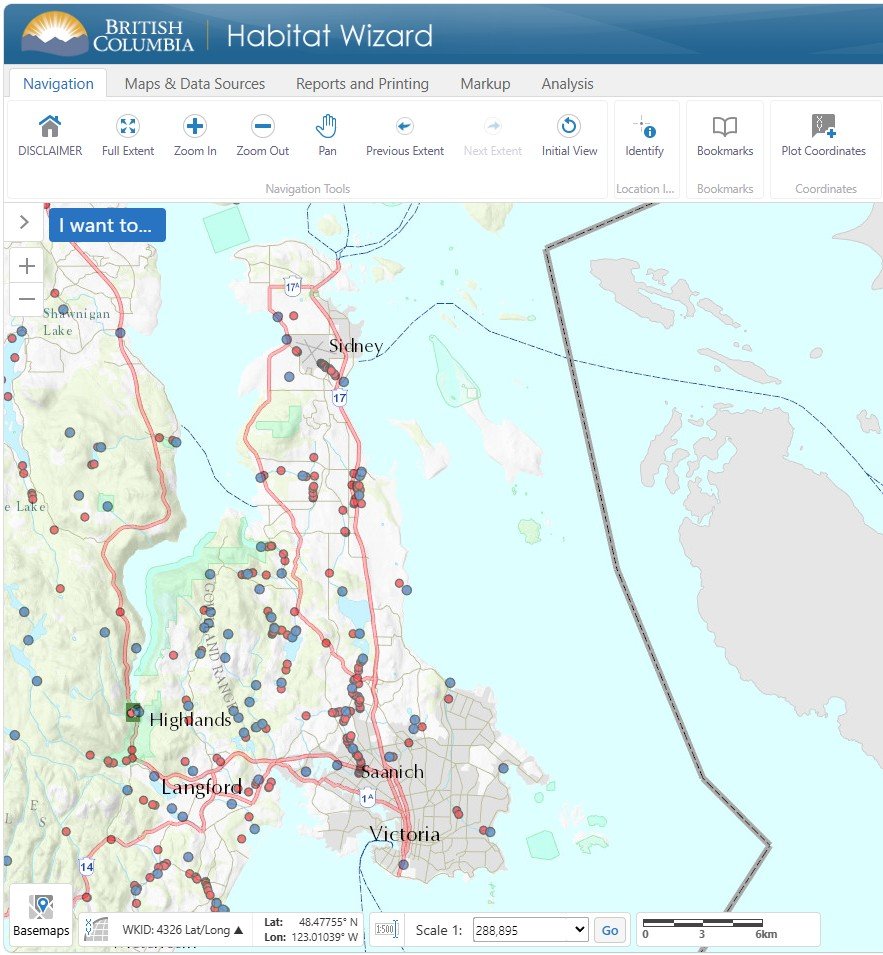
Need a map of your watershed? Using QGIS and other software, we can find reports, developments, site history, Red-listed, Blue-listed and/or COSWIC listed species for your area
Ecosystem Mapping
Freshwater aquatic community baseline monitoring
This is my Master’s project proposal (anticipated 2027 - 2029).
This includes creation of a baseline monitoring program as well as capacity building within Nations to add aquatic stewardship into their land guardianship. We teach field sampling techniques and follow it up with ongoing taxonomy services.
The reference system approach uses a combination of late summer CABIN samples. We include Pacific Streamkeeper surveys to create an ongoing habitat sampling program with functional riparian/aquatic community analysis to provide restoration advice.