Photo journal
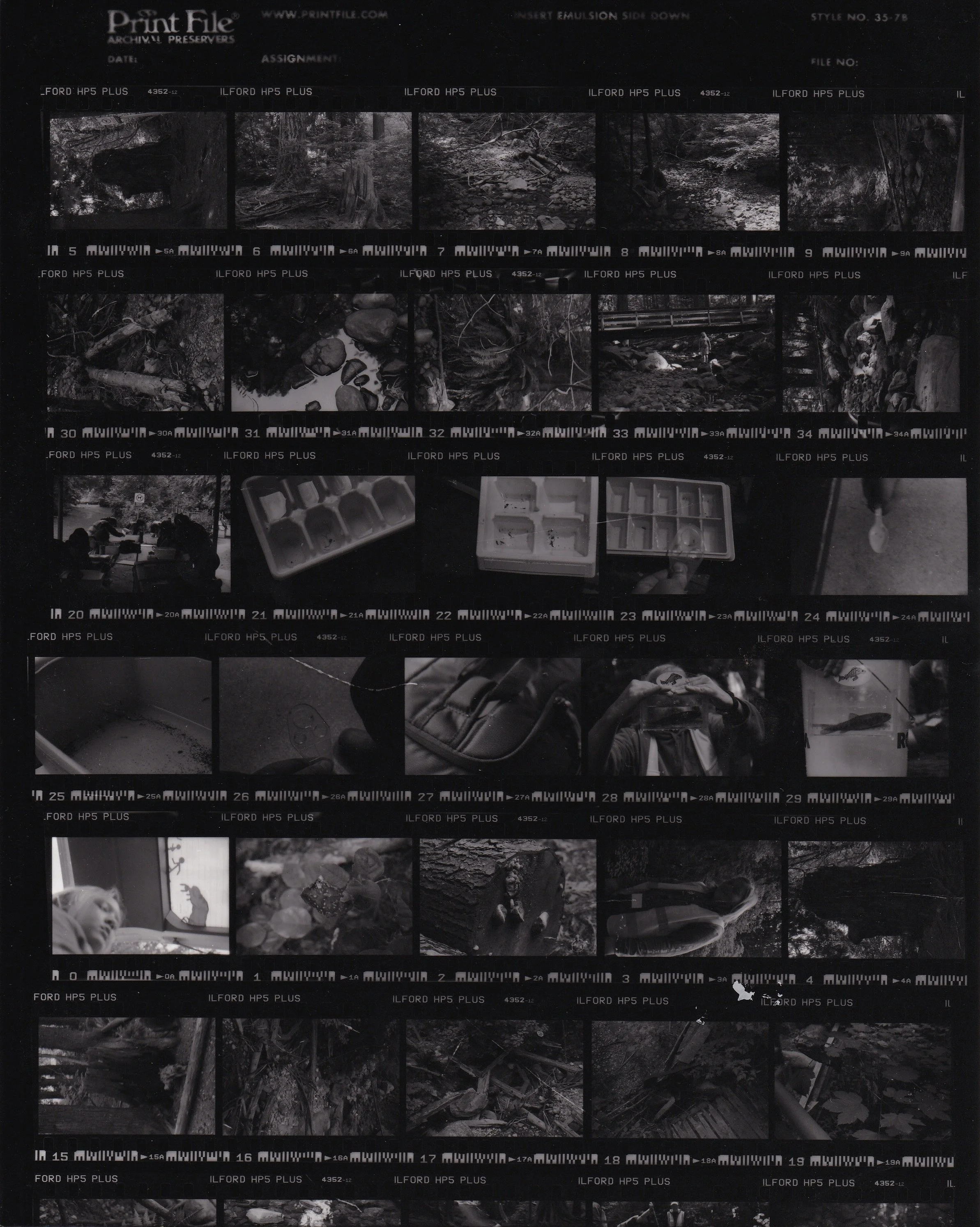
All of these photos are taken and/or developed by either Meara, or Knox unless otherwise specified.
They are taken with our iPhones, an Olympus TG-4, Pentax K-1000, or screen captures from our microscopes.
·Benthic Invertebrates
Marine Invertebrates
Bees
Butterflies
Native plants
Birds
Fish
Marine mammals
·Benthic Invertebrates Marine Invertebrates Bees Butterflies Native plants Birds Fish Marine mammals
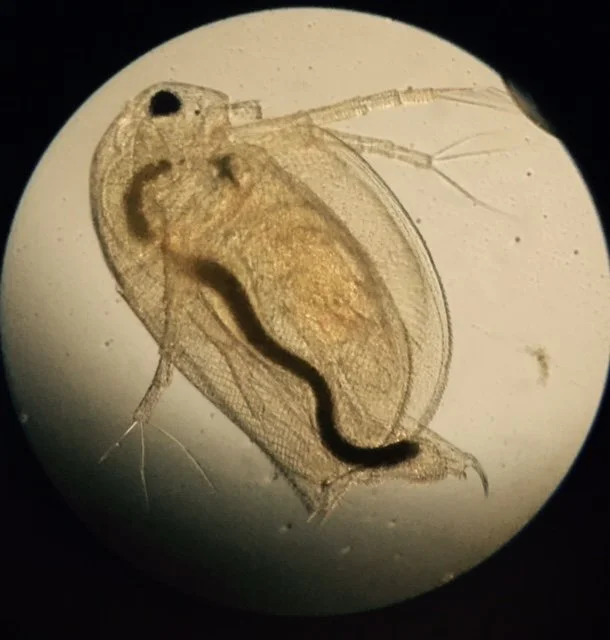
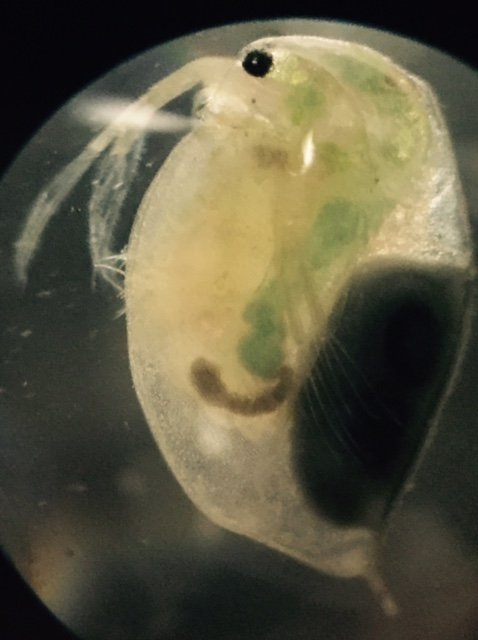
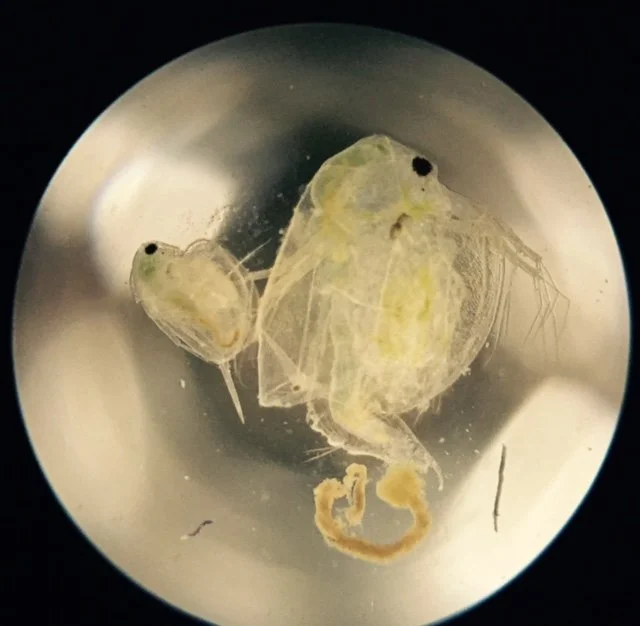
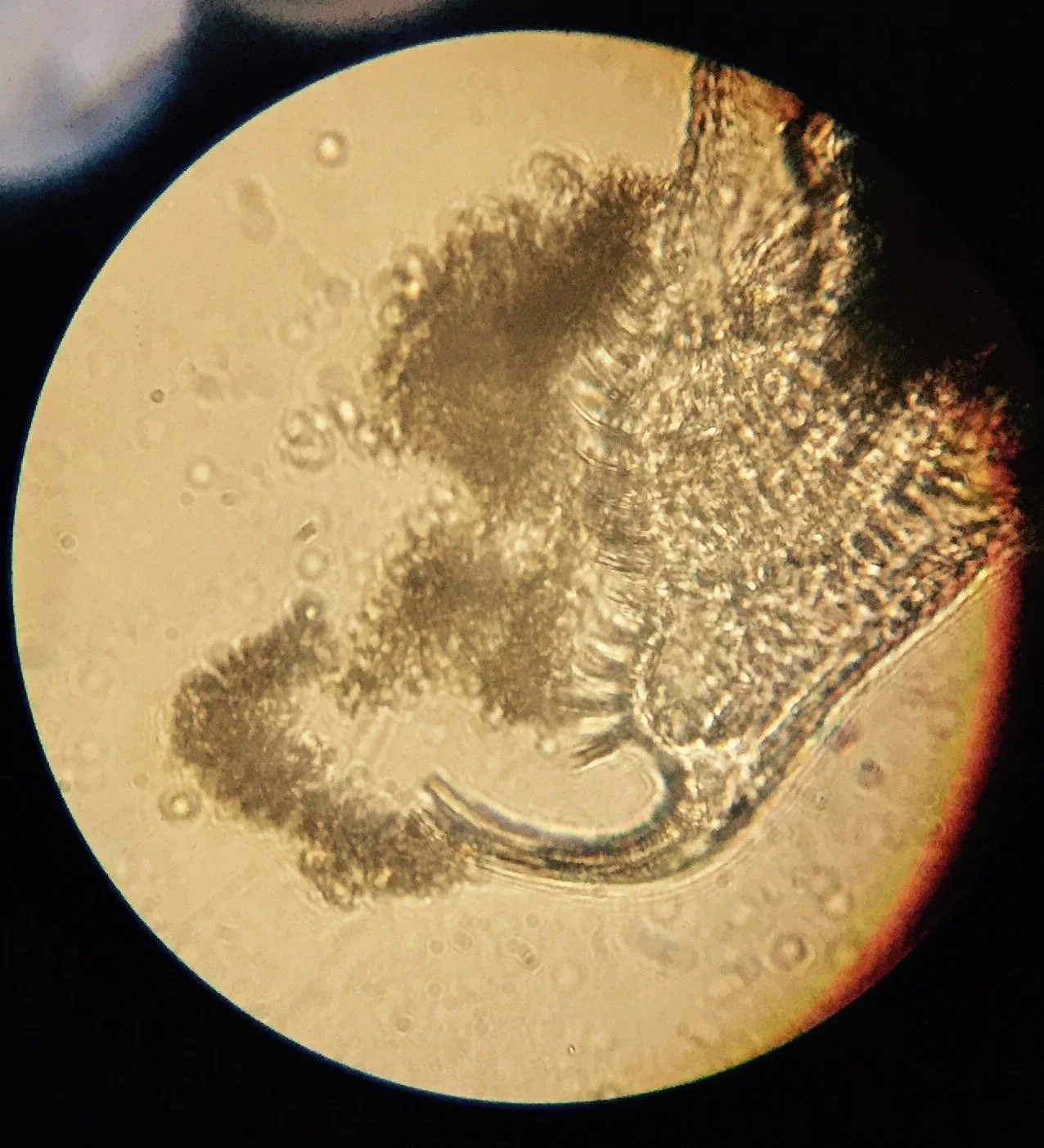
Downstream environmental water samples of Daphnia (water fleas) from Battle River, Alberta
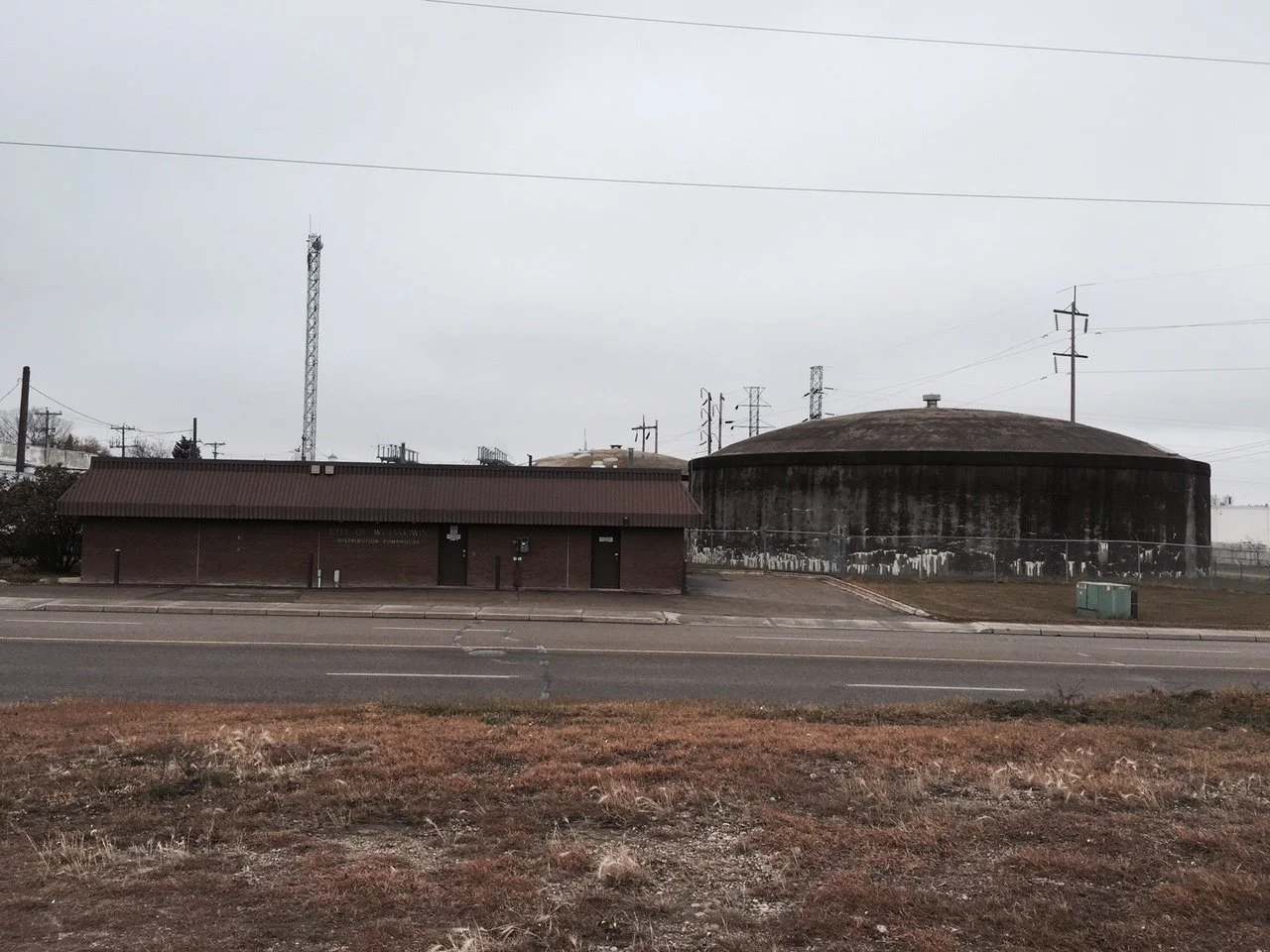
The old main water reservoir of Wetaskiwin, Alberta before it was decommissioned.
Freshwater Invertebrates
2. 3. 4.
Marine Invertebrates
8. 9. 10.
5. 6. 7.
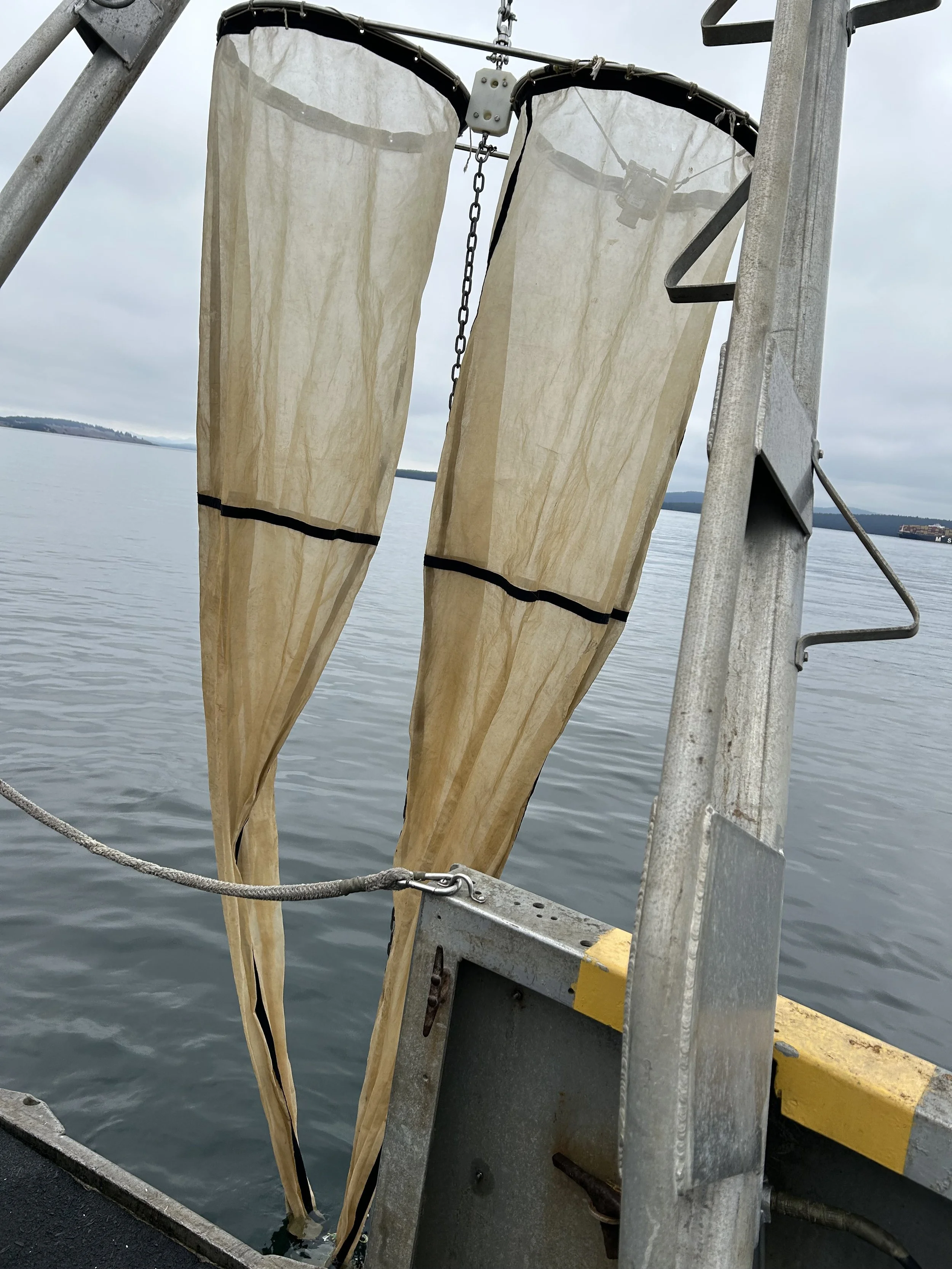
1.Bongo nets for capturing deep water marine invertebrate
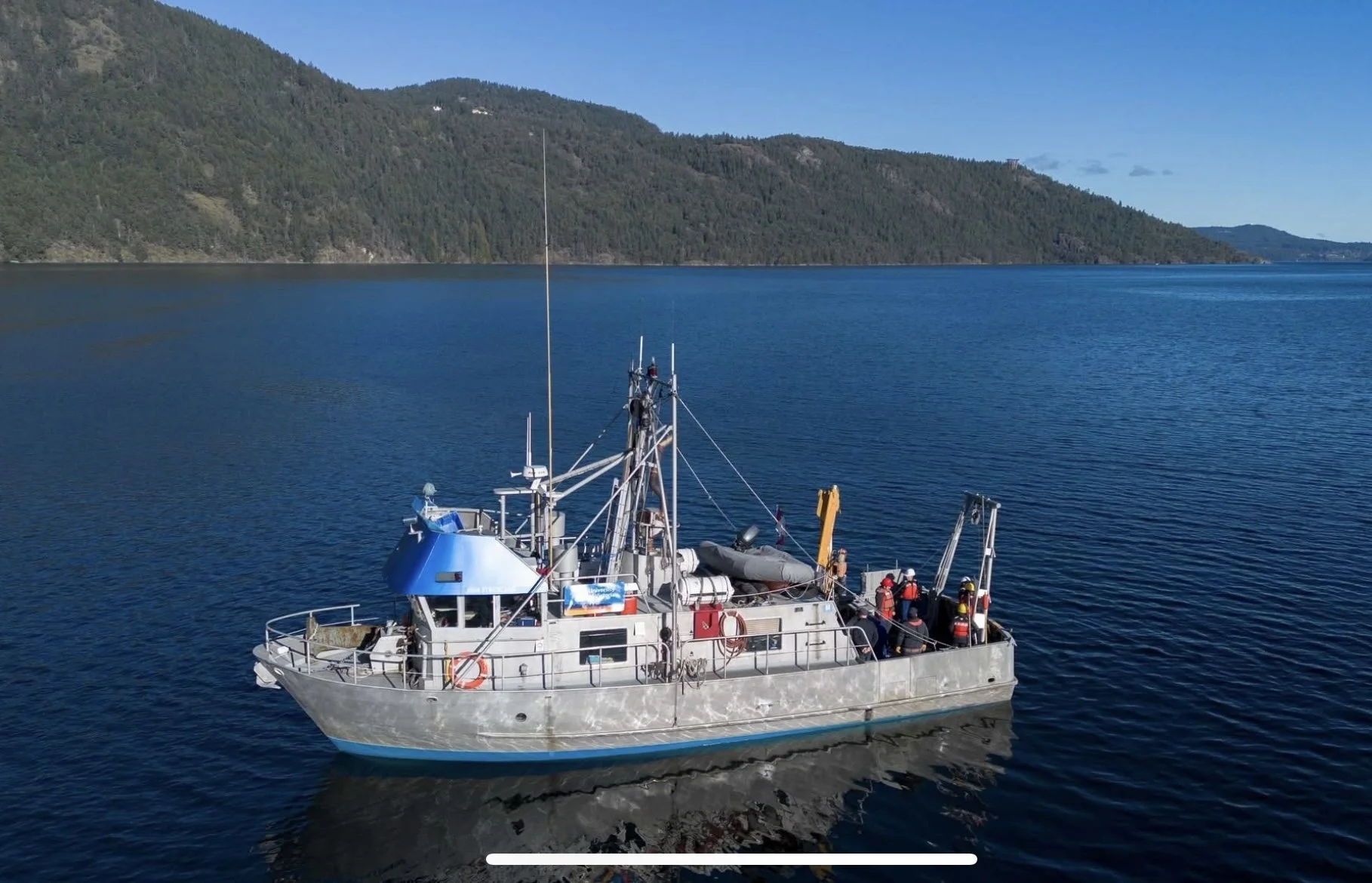
2. The University of Victoria’s research vessel, The John Strickland
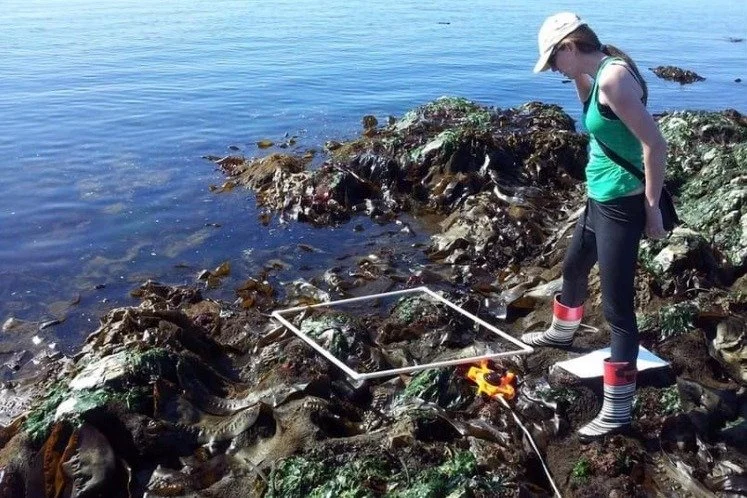
3. Marine quadrat surveys
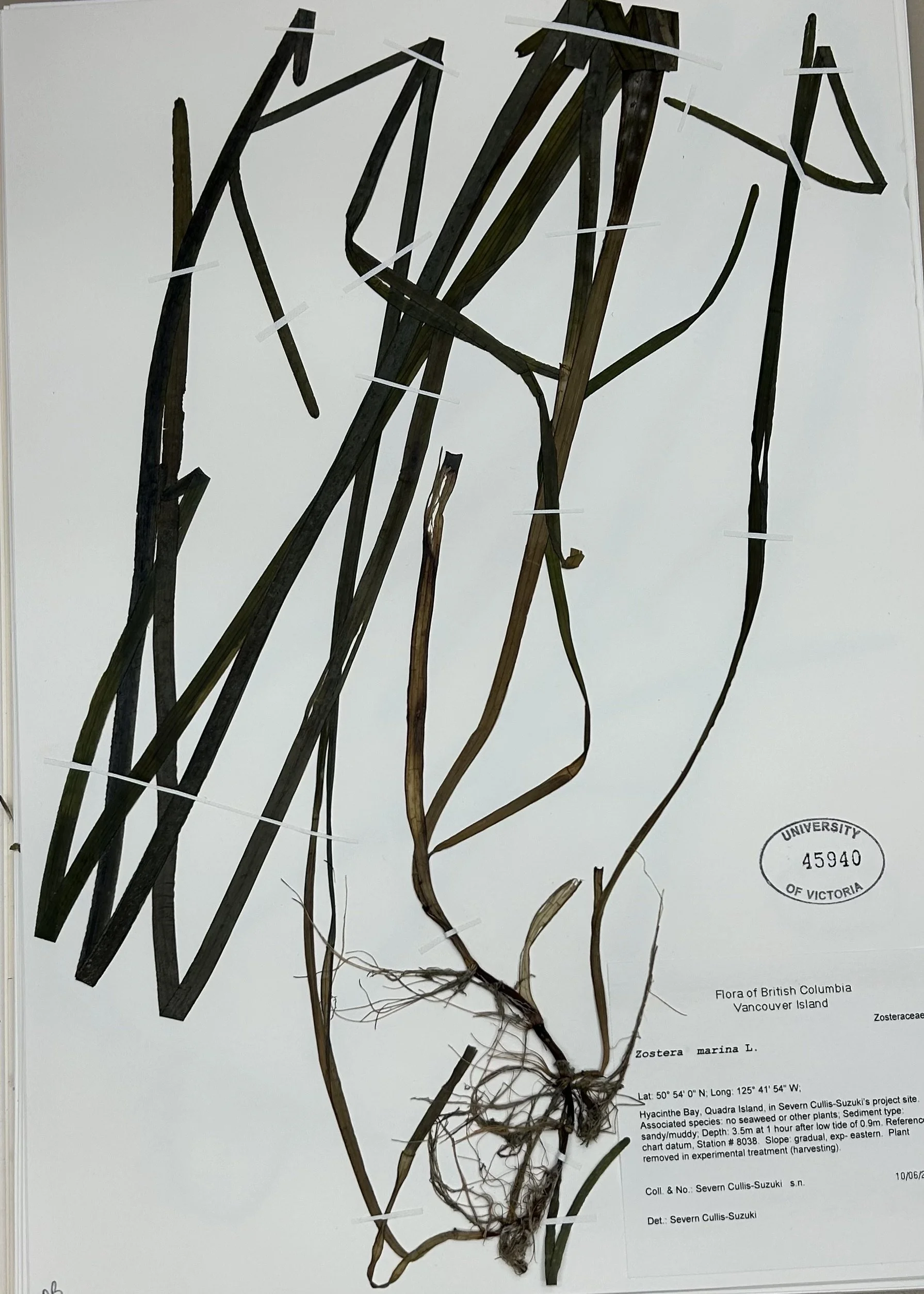
4. An eelgrass specimen from the Herbarium at UVic (Zostera marina)
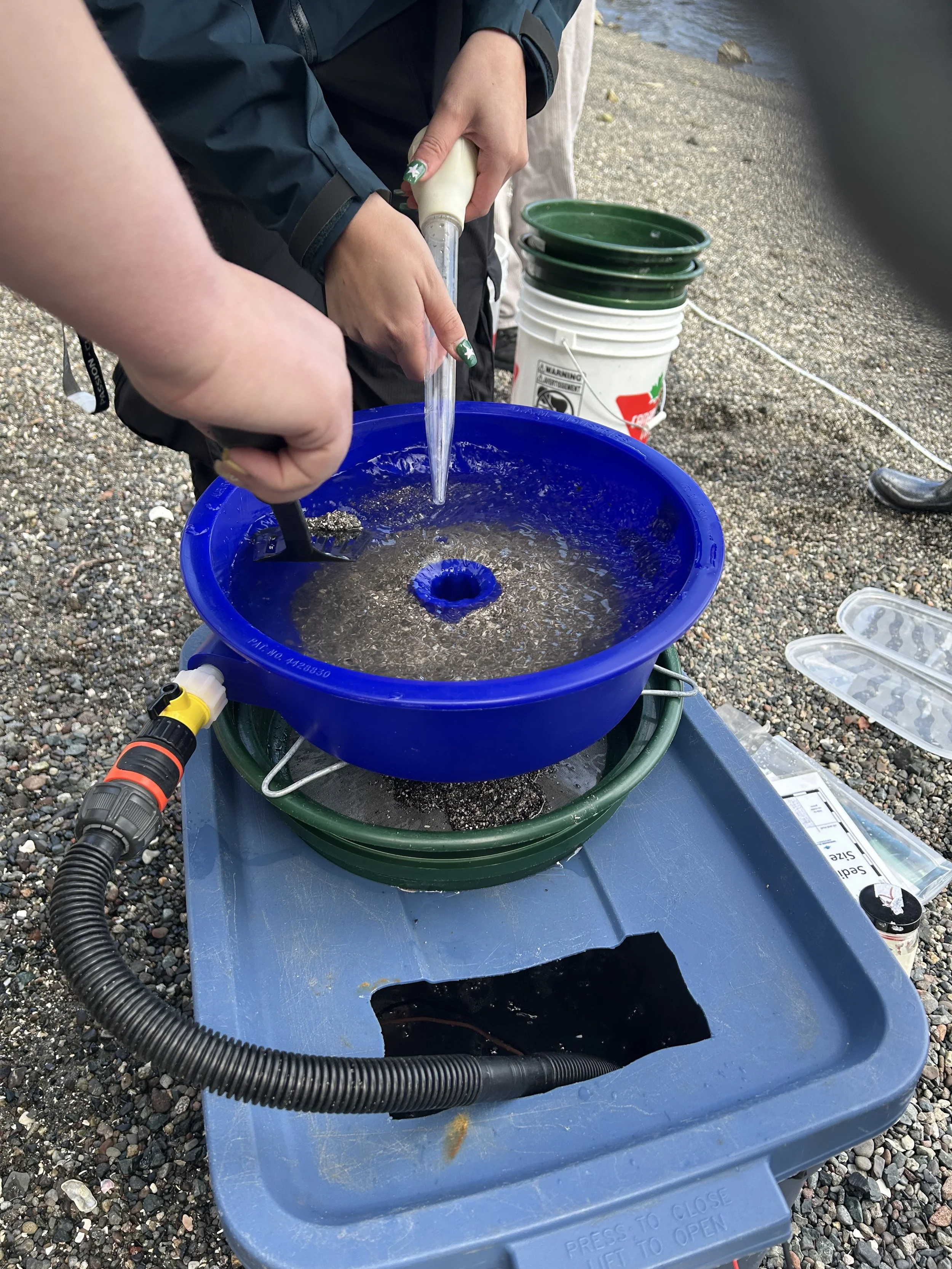
5. Forage fish egg surveys on Nymph Point, B.C.
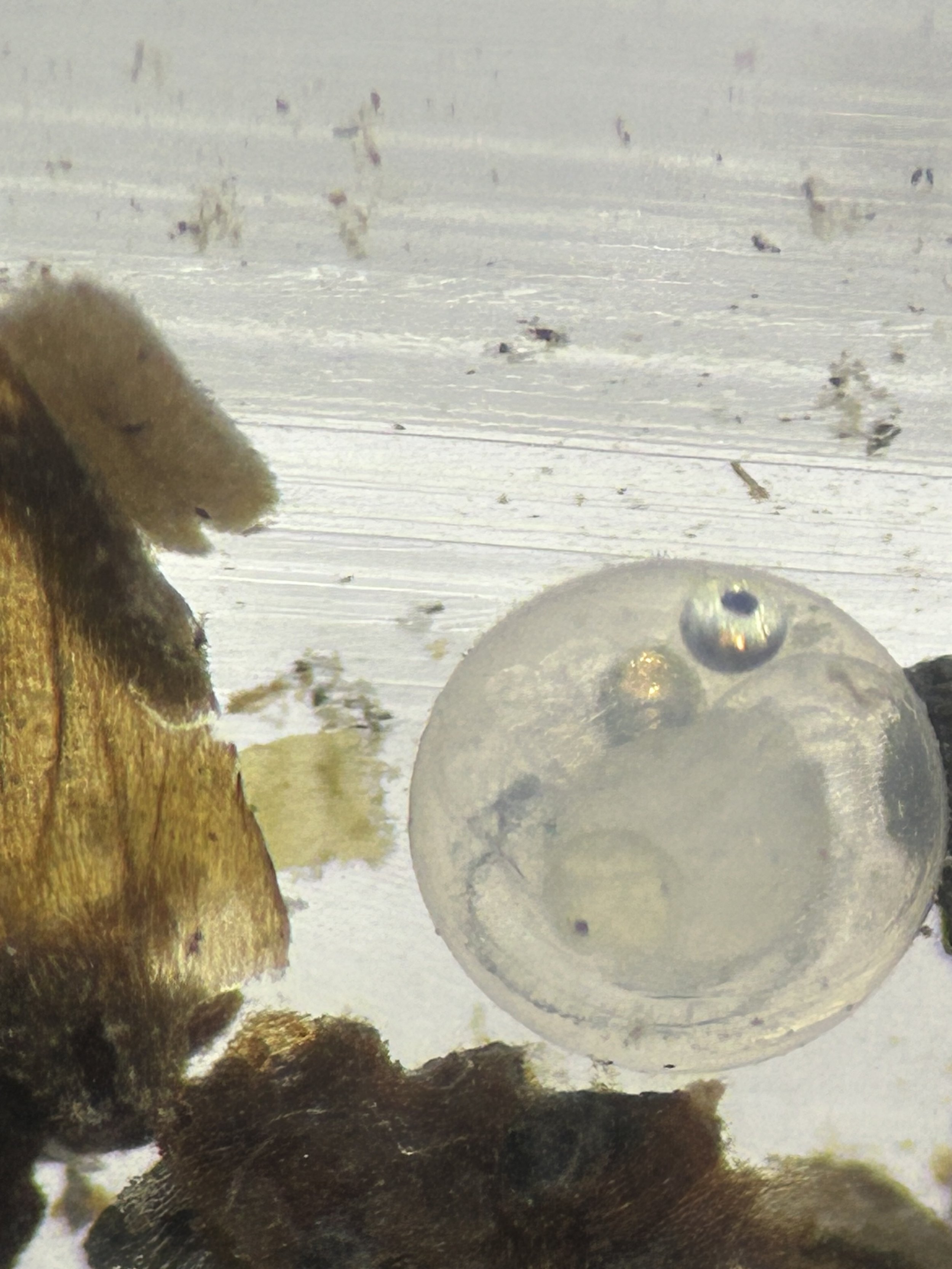
6. A Surf smelt egg (Hypomesus pretiosus)
7. A feisty dungeness crab (Metacarcinus magister)
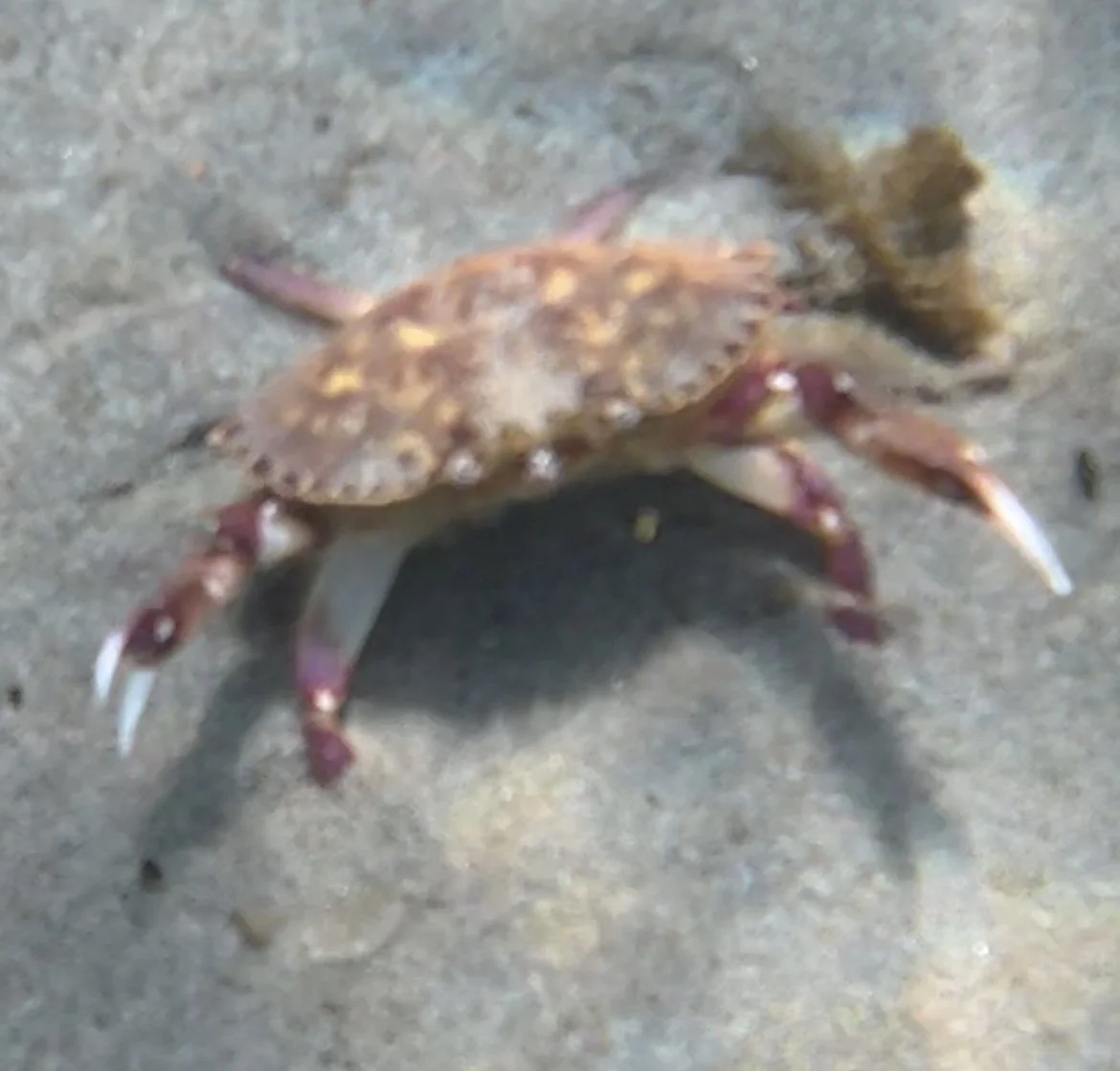
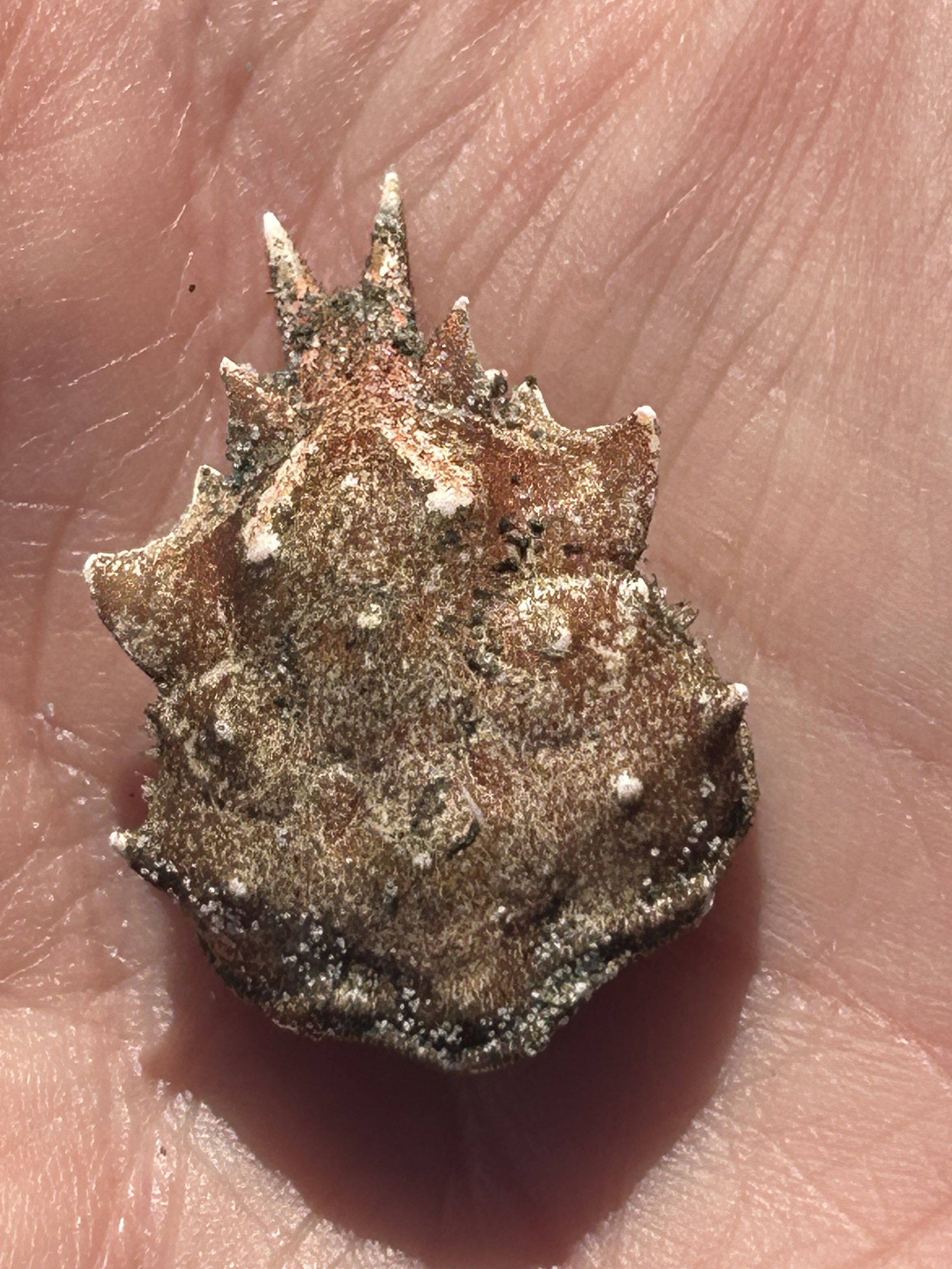
8. A Northern kelp crab carapace (Pugettia producta)
9. A dungeness crab with a barnacle for a hat
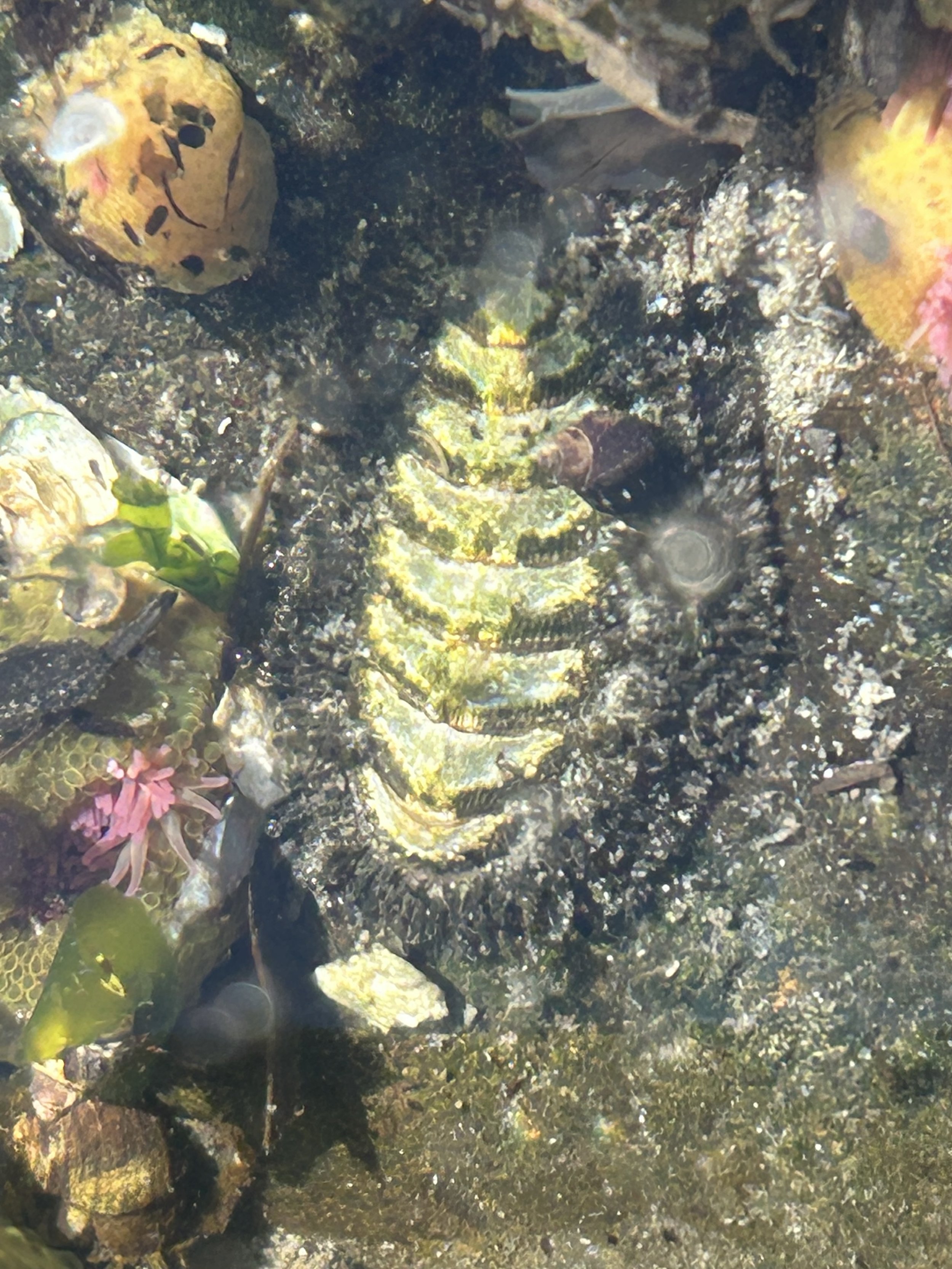
10. A Mossy chiton (Mopalia muscosa)
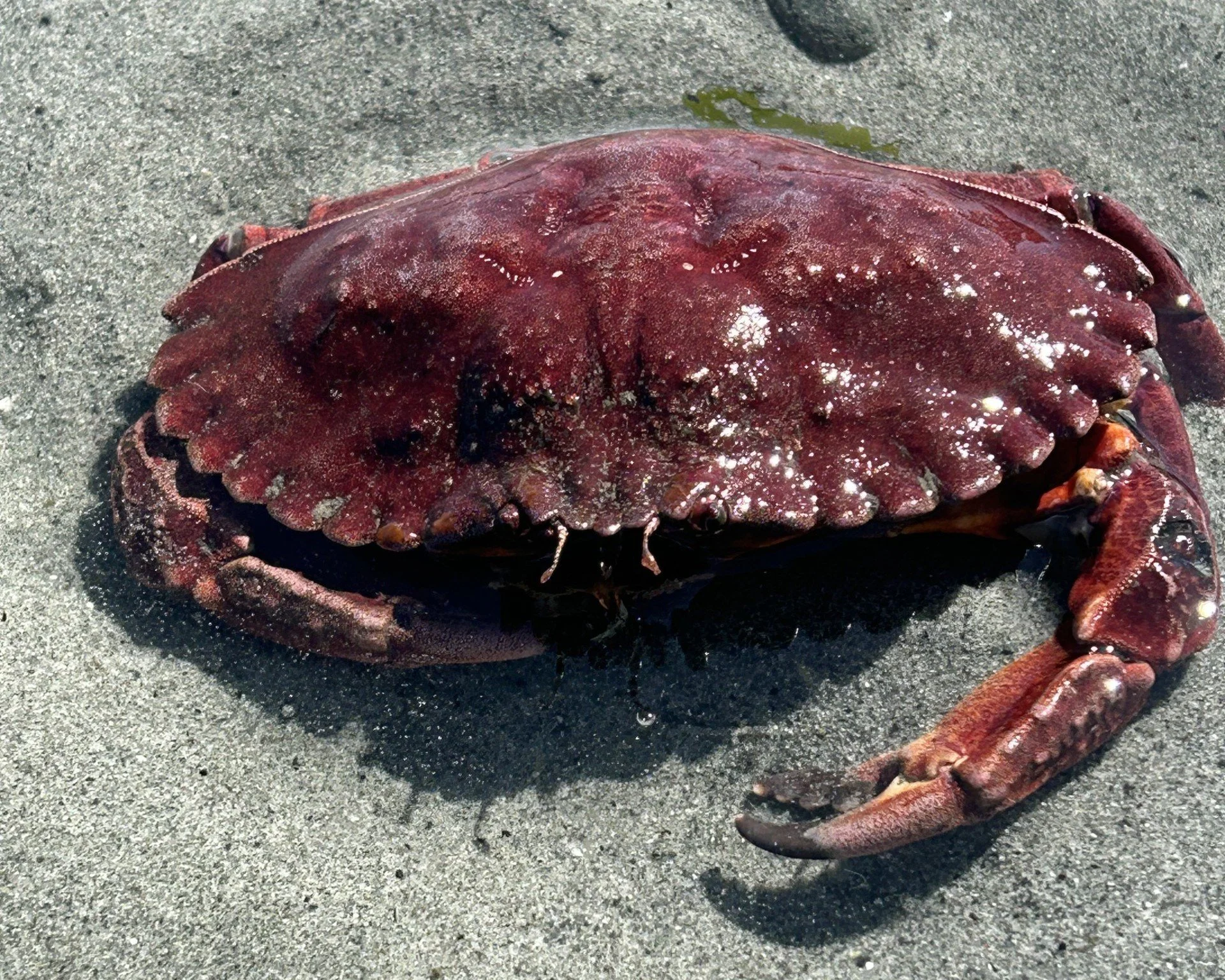
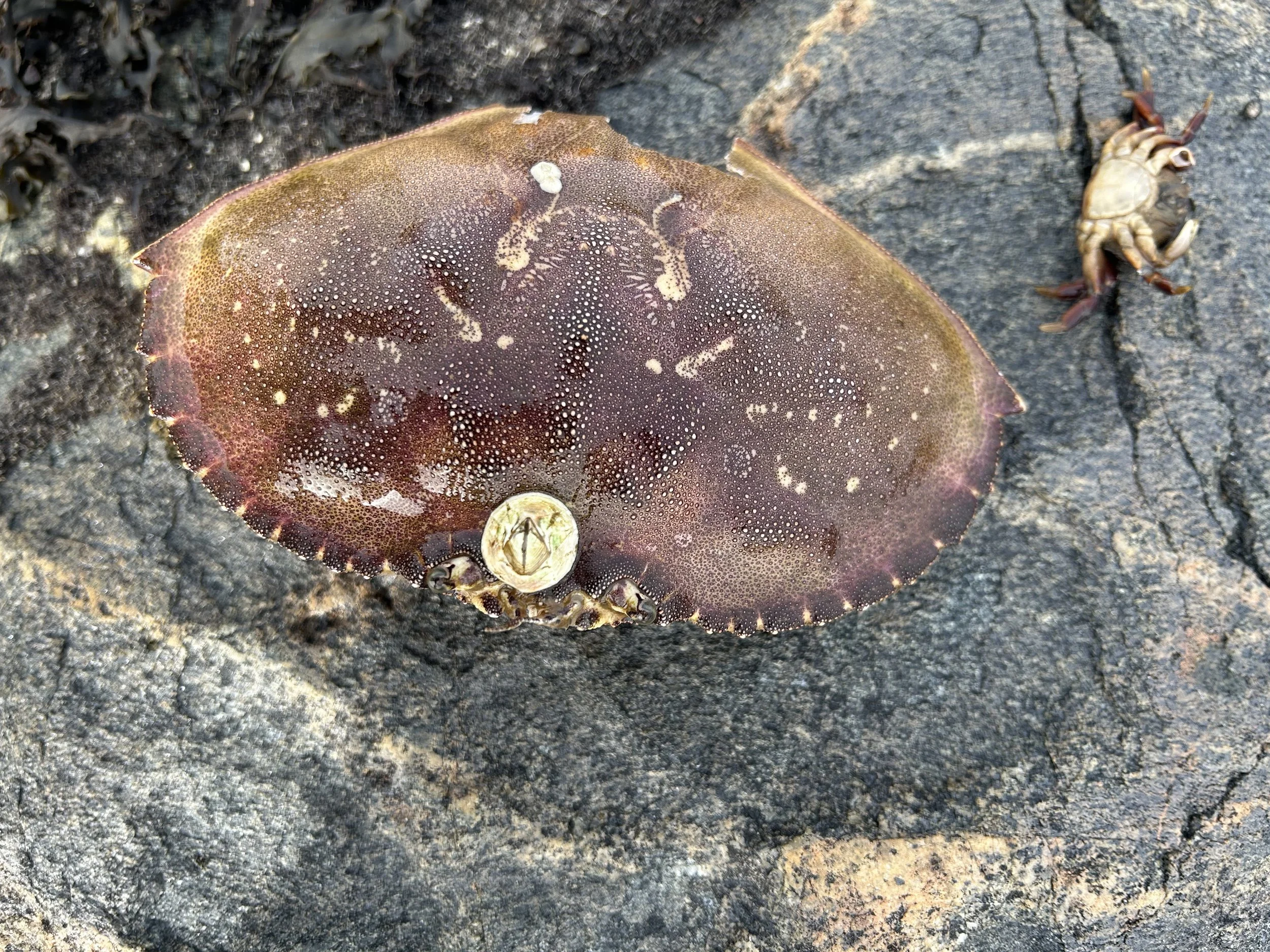
11. Red rock crab (Cancer productus)
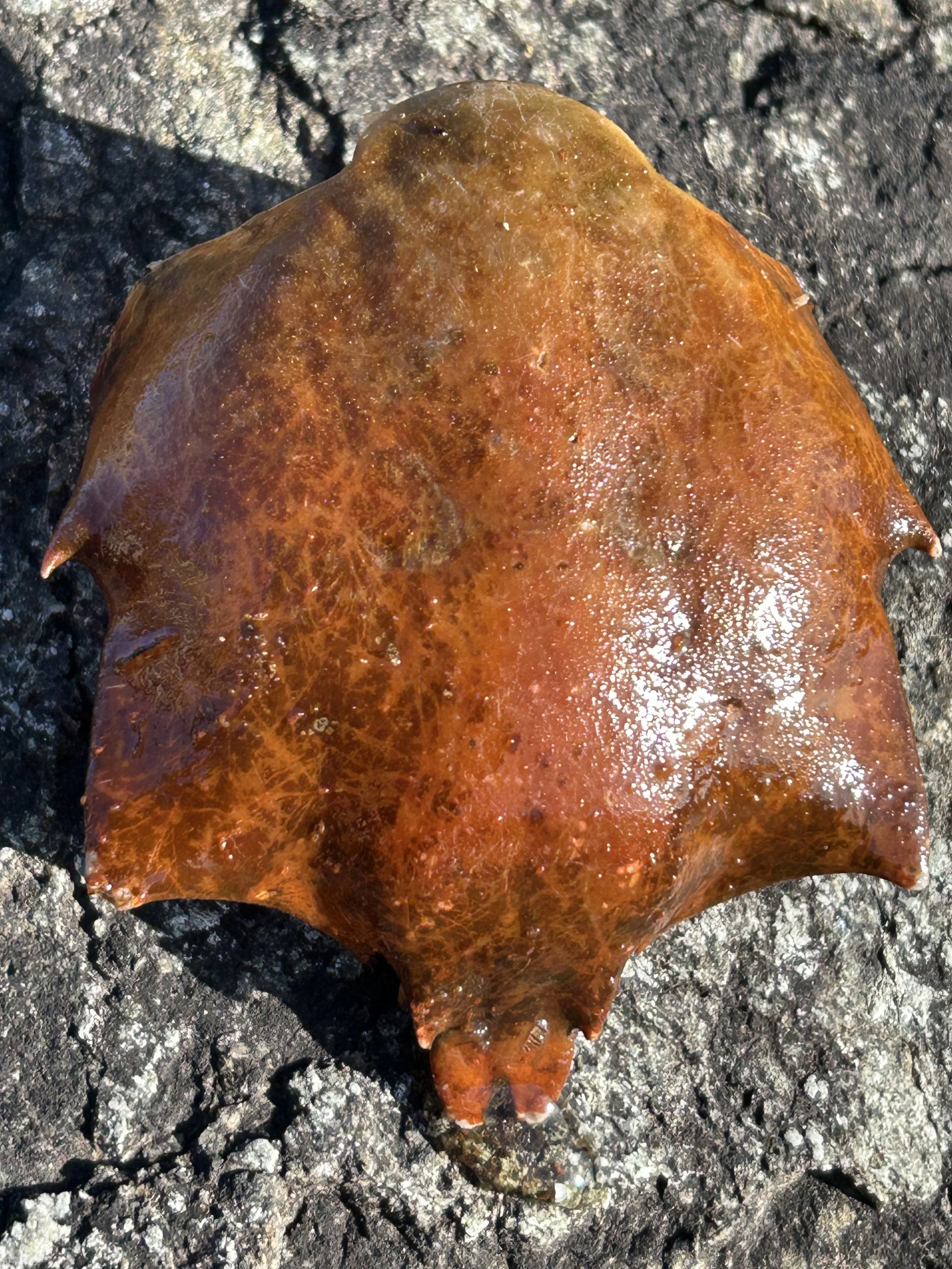
12. Graceful kelp crab carapace (Pugettia gracilis)
11.
12.
Pollinator Gardens, native plants, pollinators and cool terrestrial places
2. 3. 4. 5.
6. 7. 8.
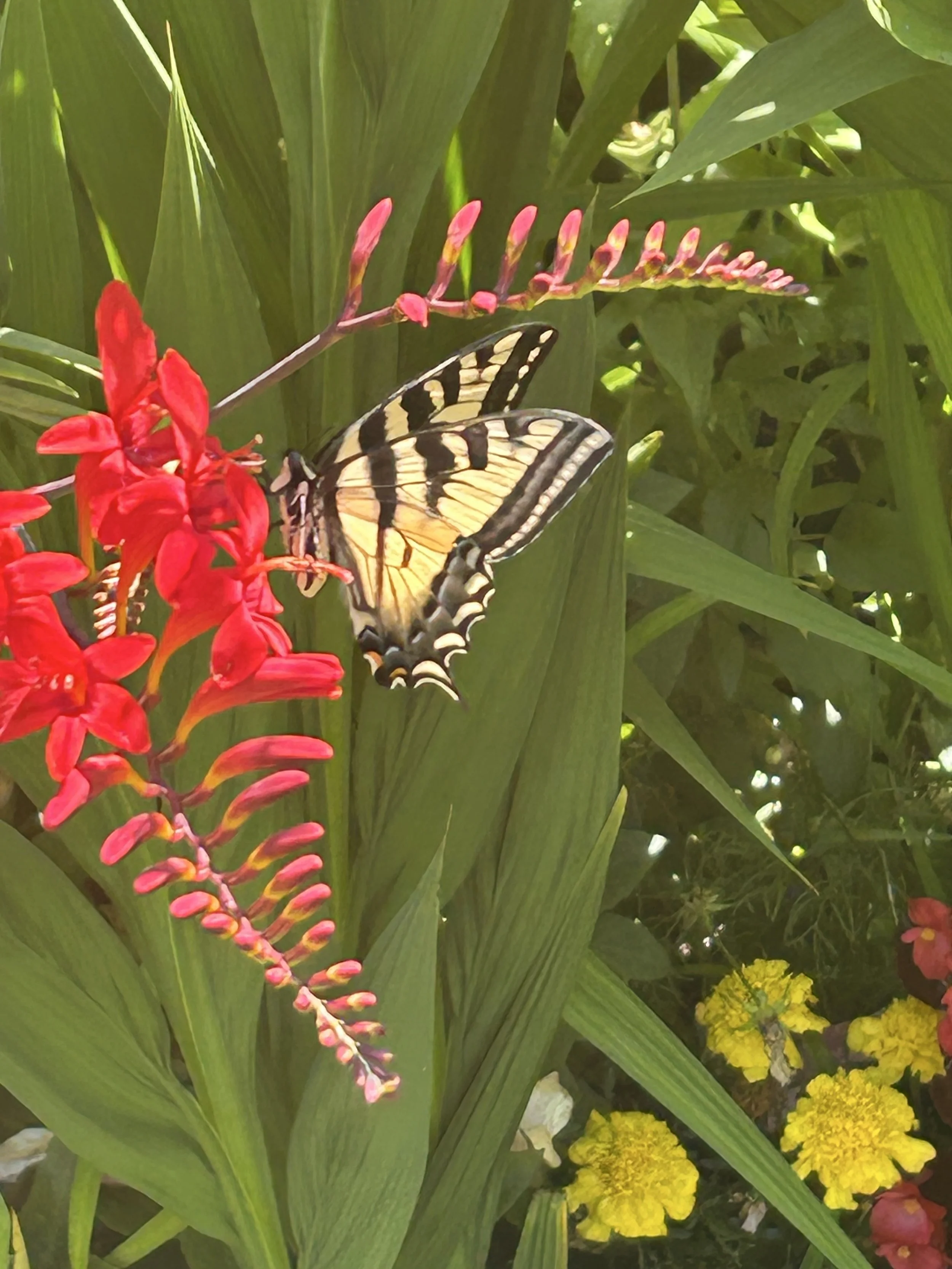
1.A Western Tiger Swallowtail (Papilio rutulus)
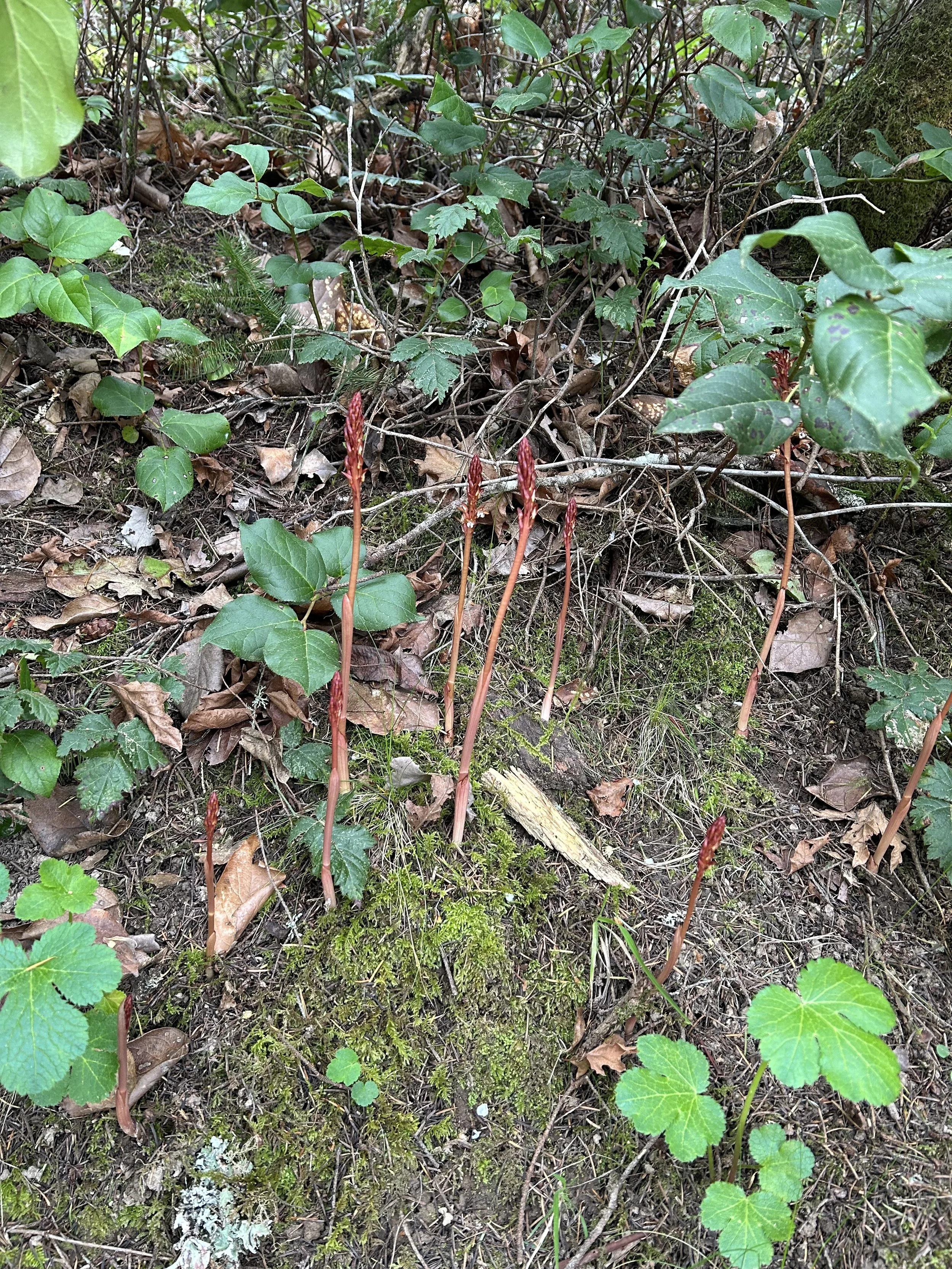
2. A spotted coalroot flower near Witty’s Lagoon (Corallorhiza maculata)
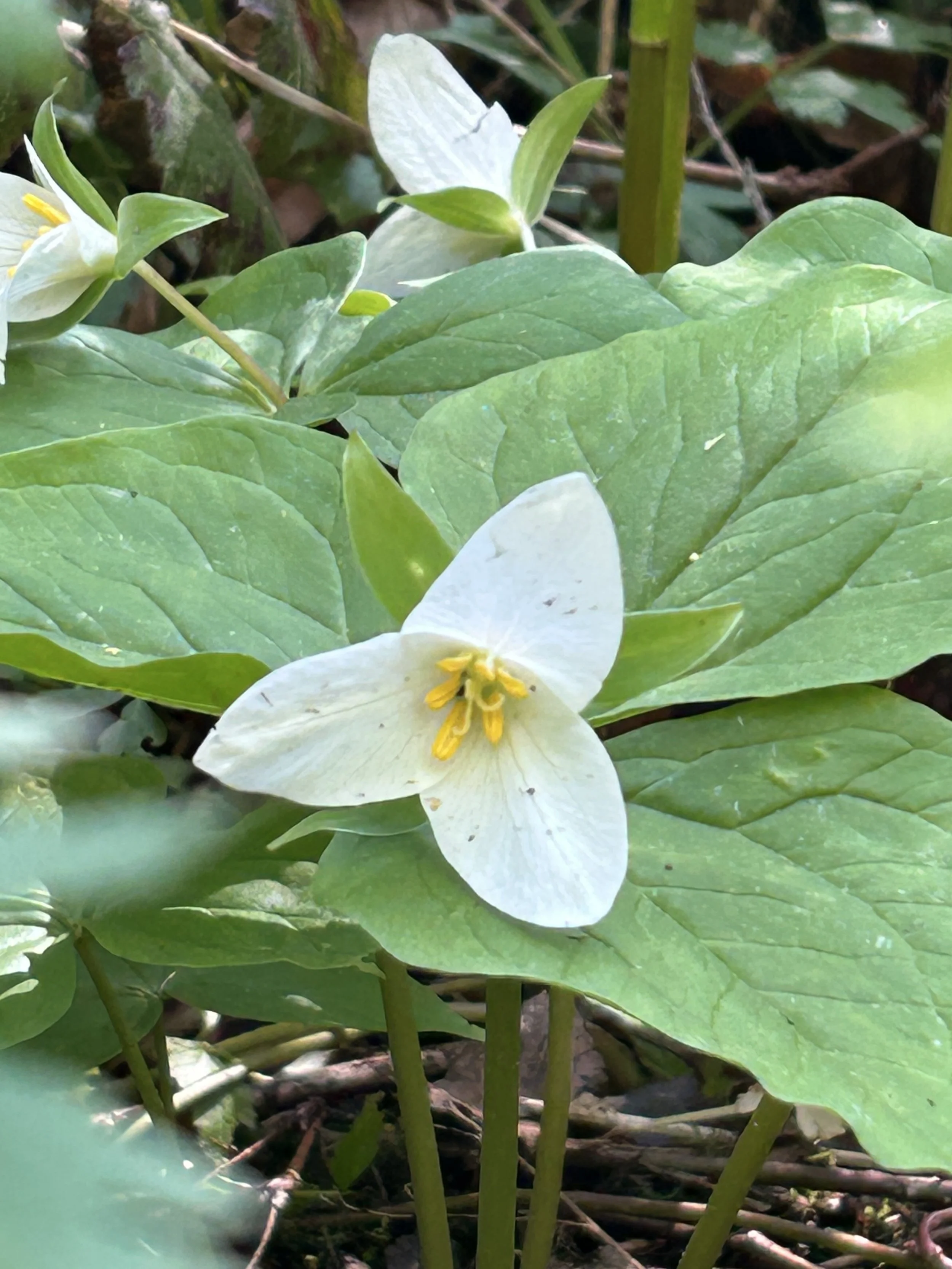
3. A Western Trillium, near Pkols (Trillium ovatum)
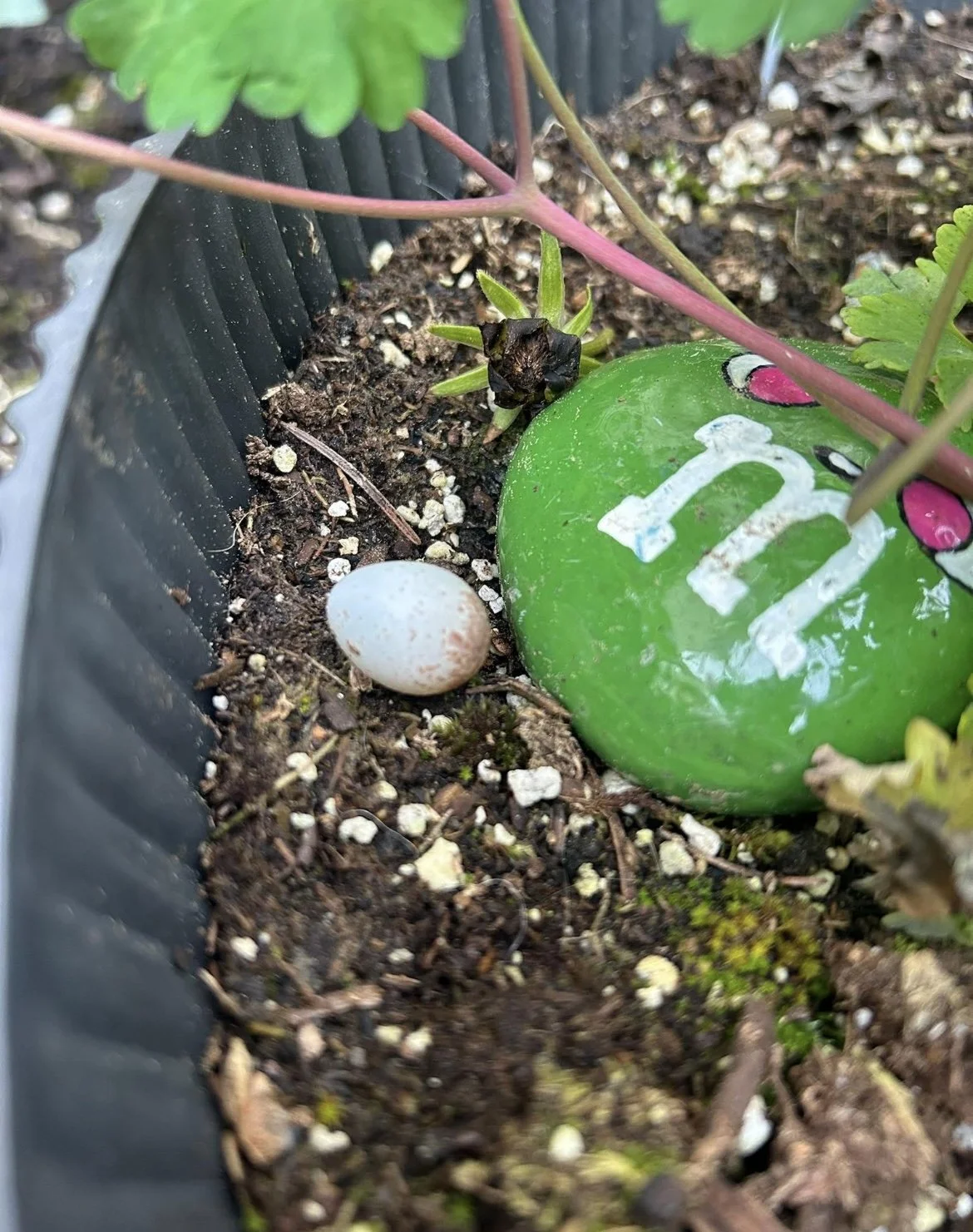
4. A Beweck’s wren laid an egg in my garden
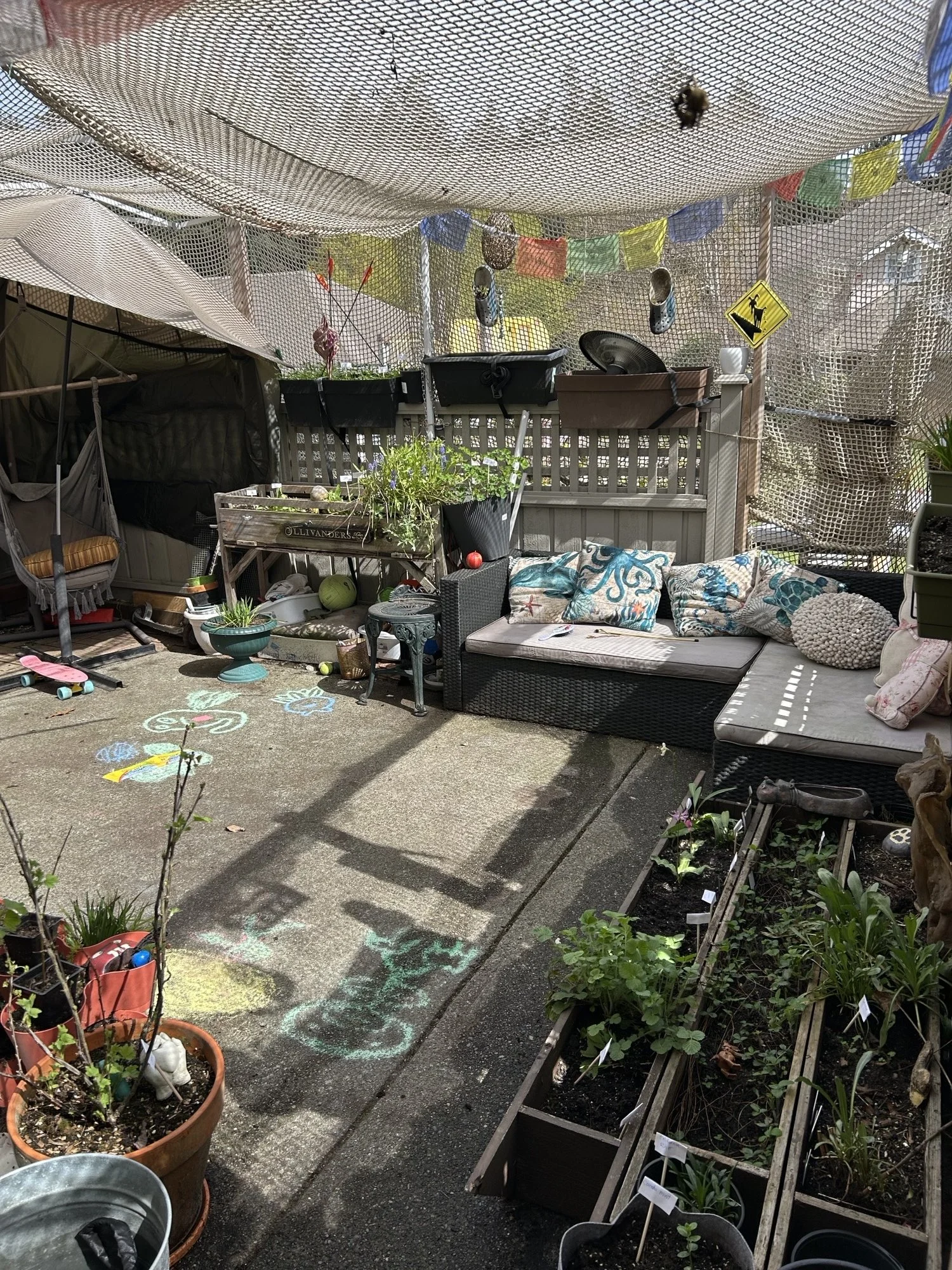
5. My patio garden
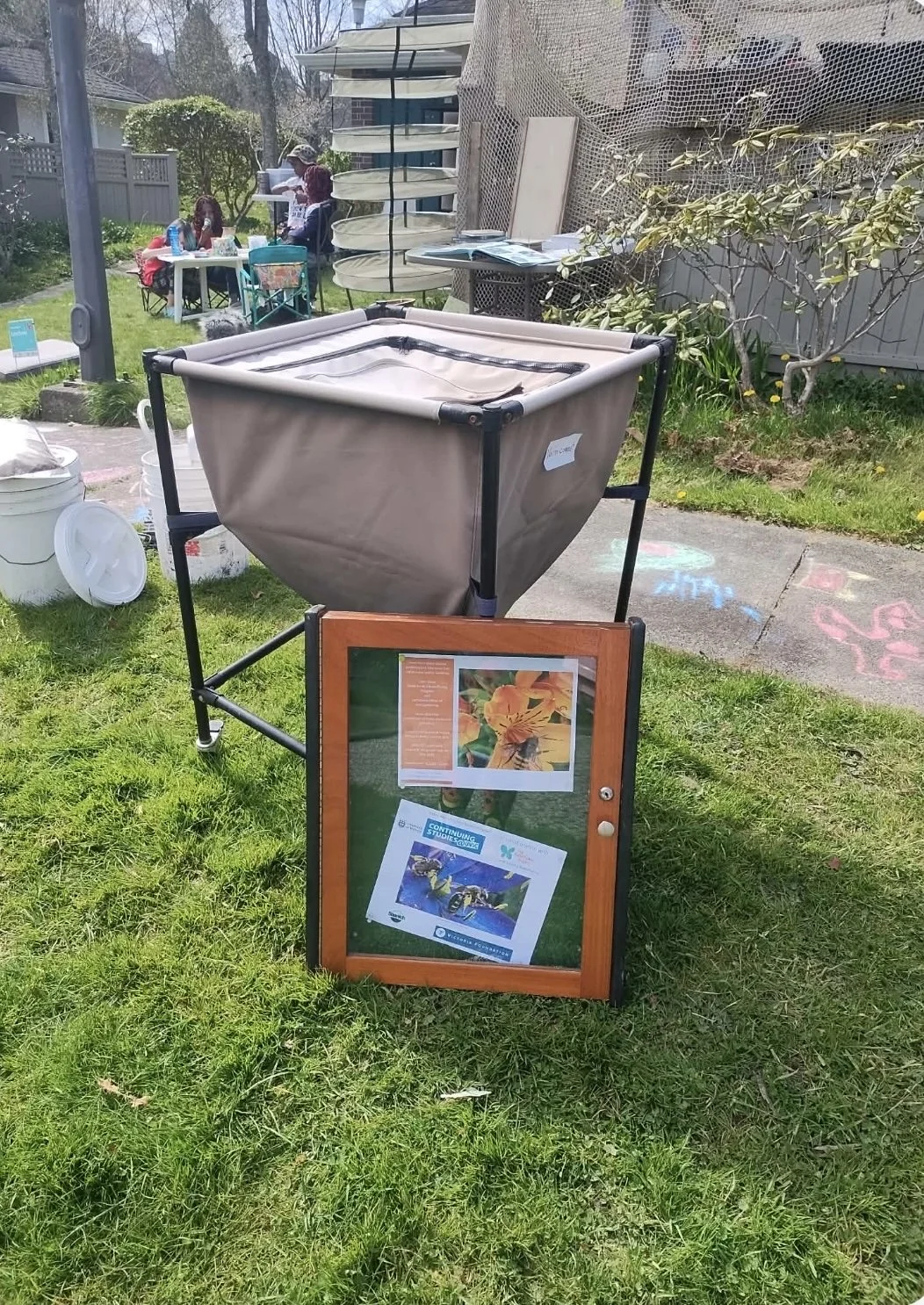
6. Vermicomposting with the Worm Hotel
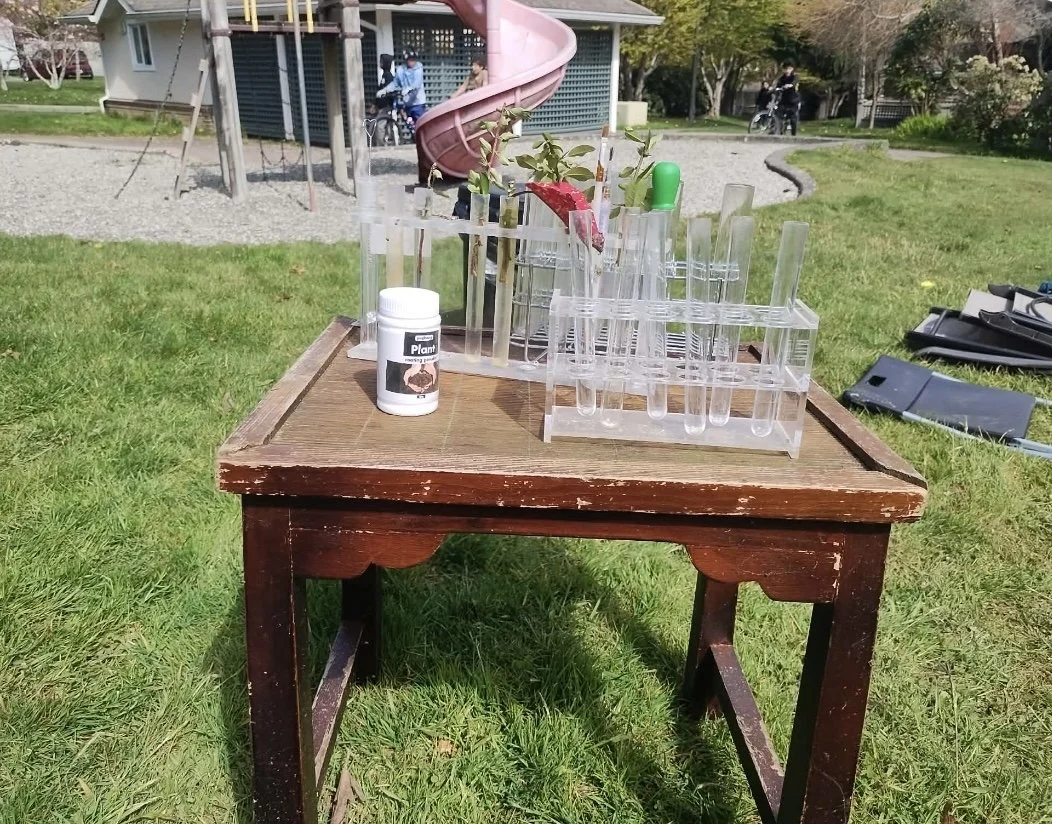
7. Plant propagations
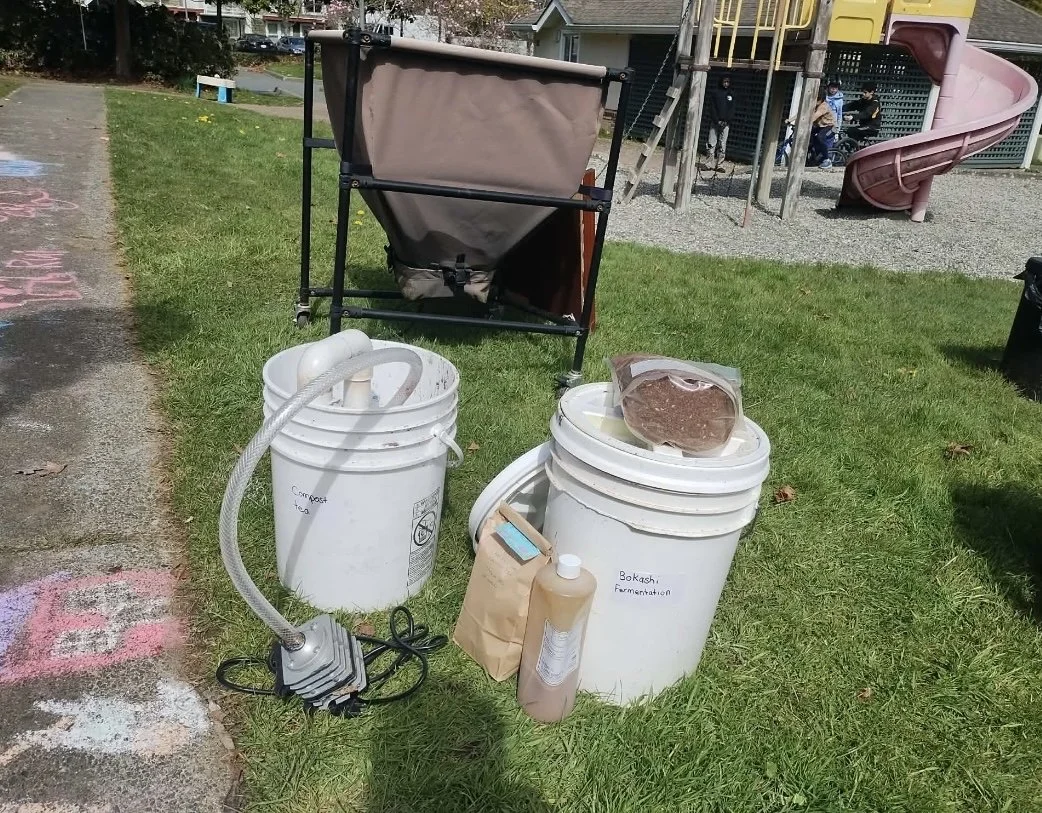
8. Making compost tea and bokashi ferment
Birds, Fish and Wildlife
2. 3.
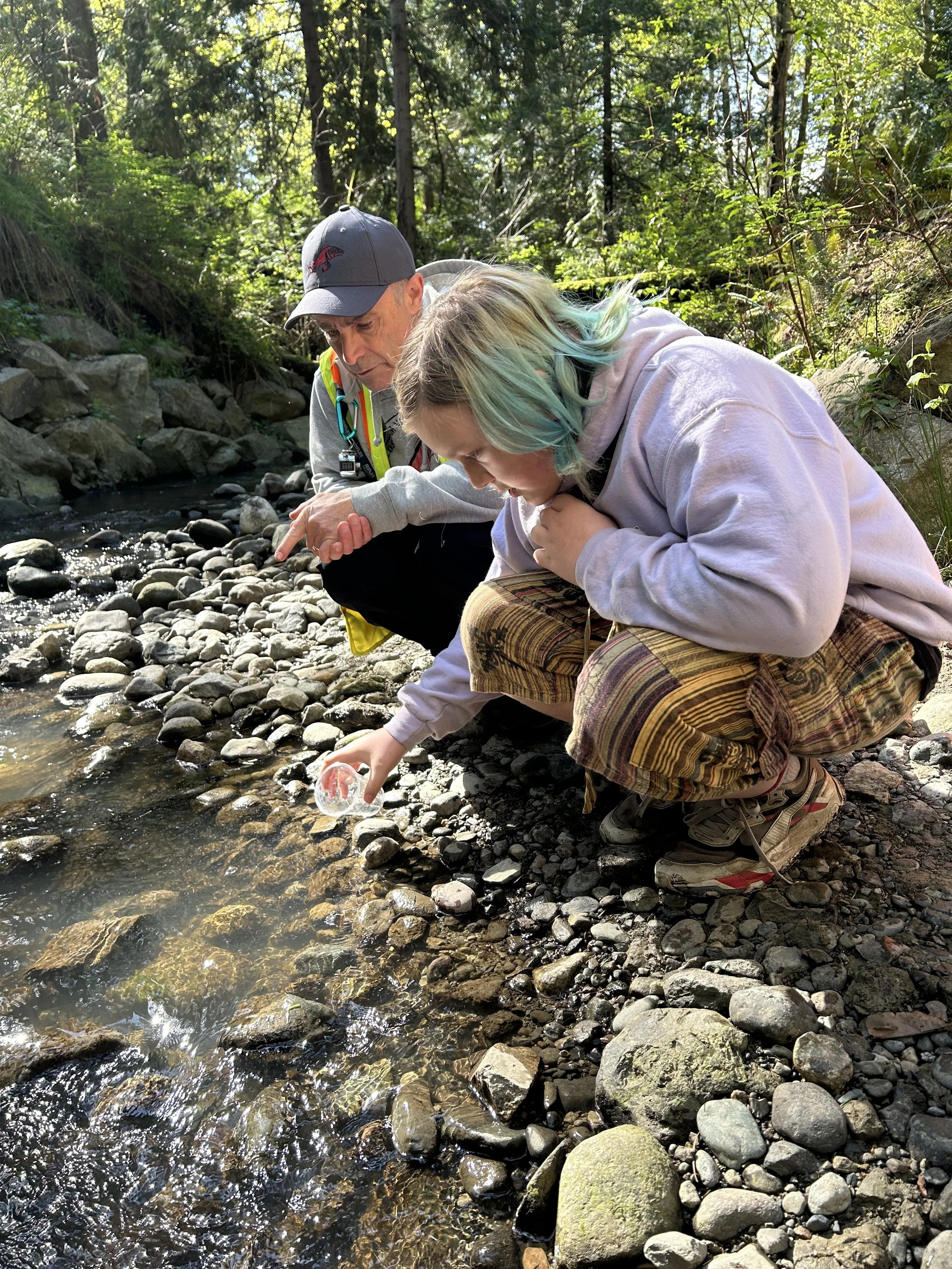
1.Knox releasing a chum salmon into Pkols stream as part of his class raising salmon in the classroom
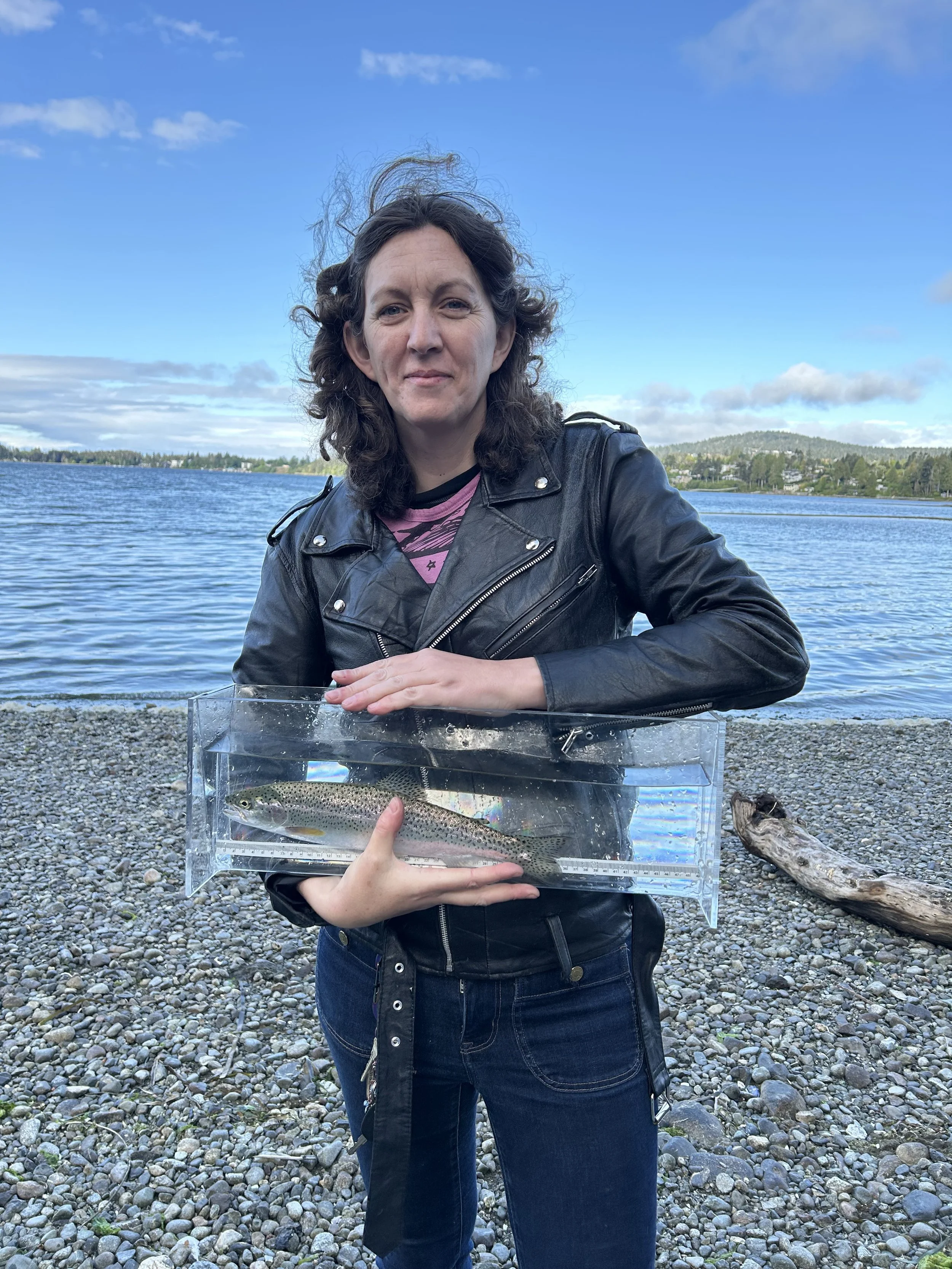
2. Meara with a Searun Coastal Cuttroat Trout just before it was tagged for a study with Peninsula Streams and Shorelines
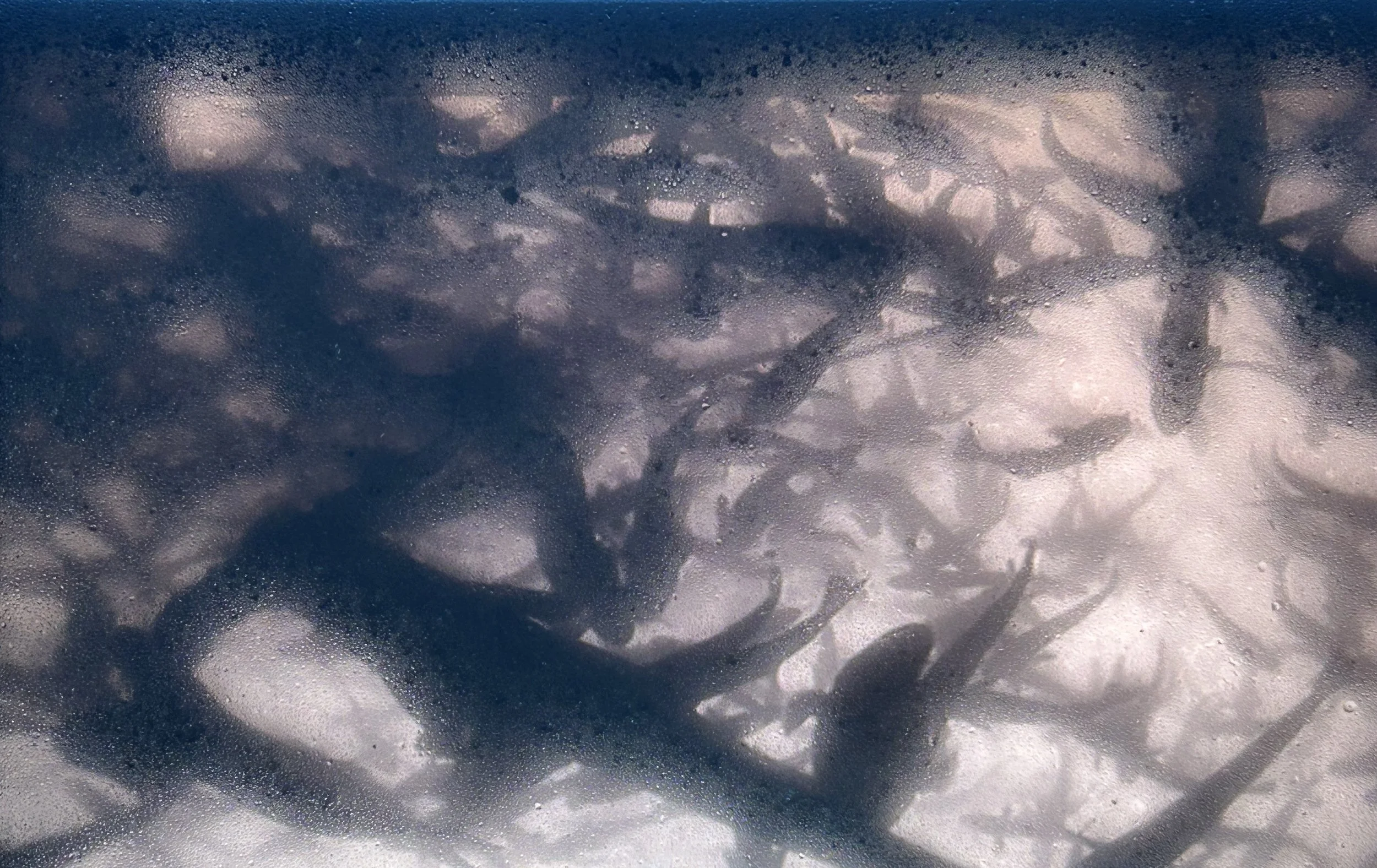
3. Cool fish that I saw one day
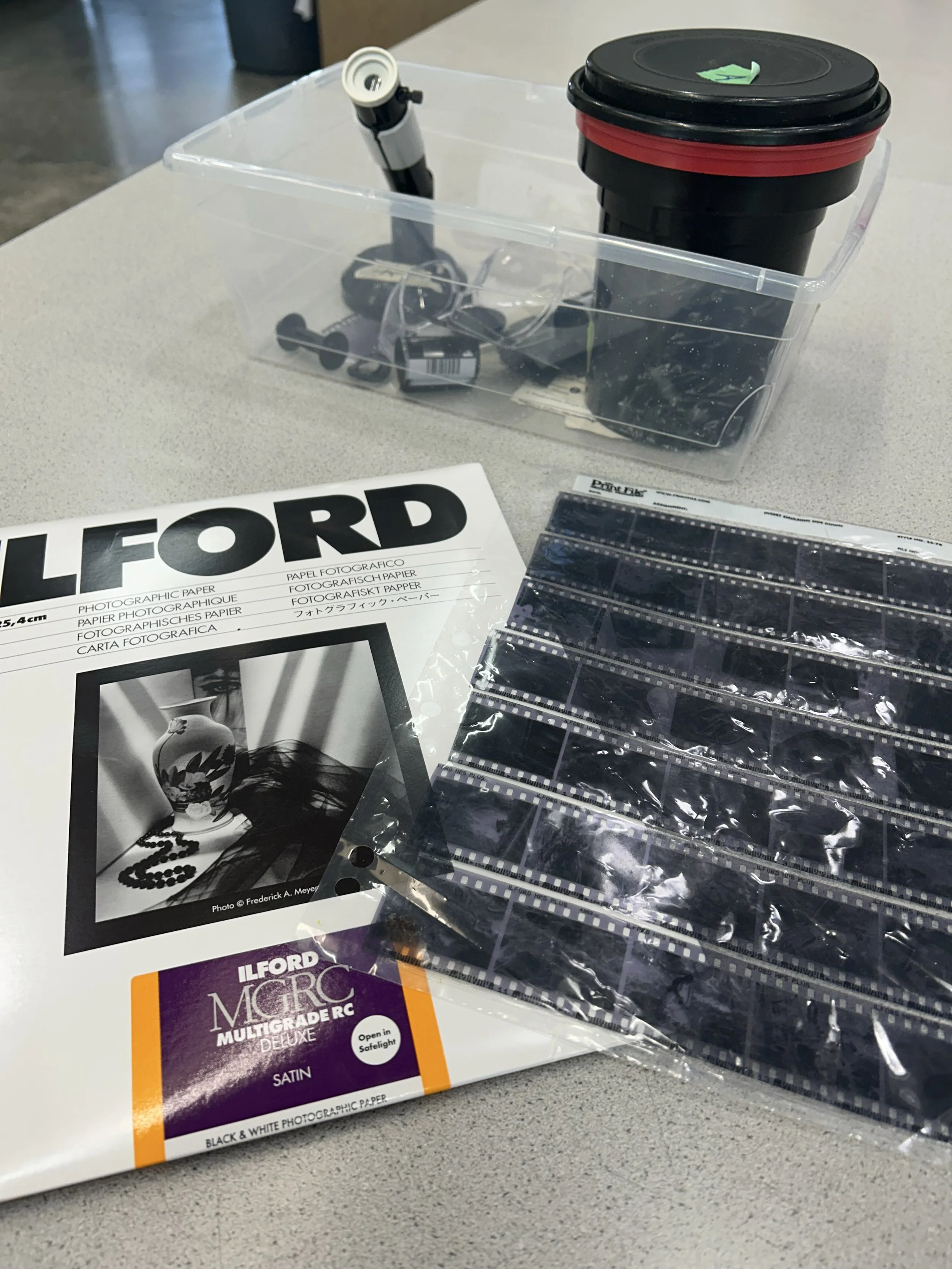
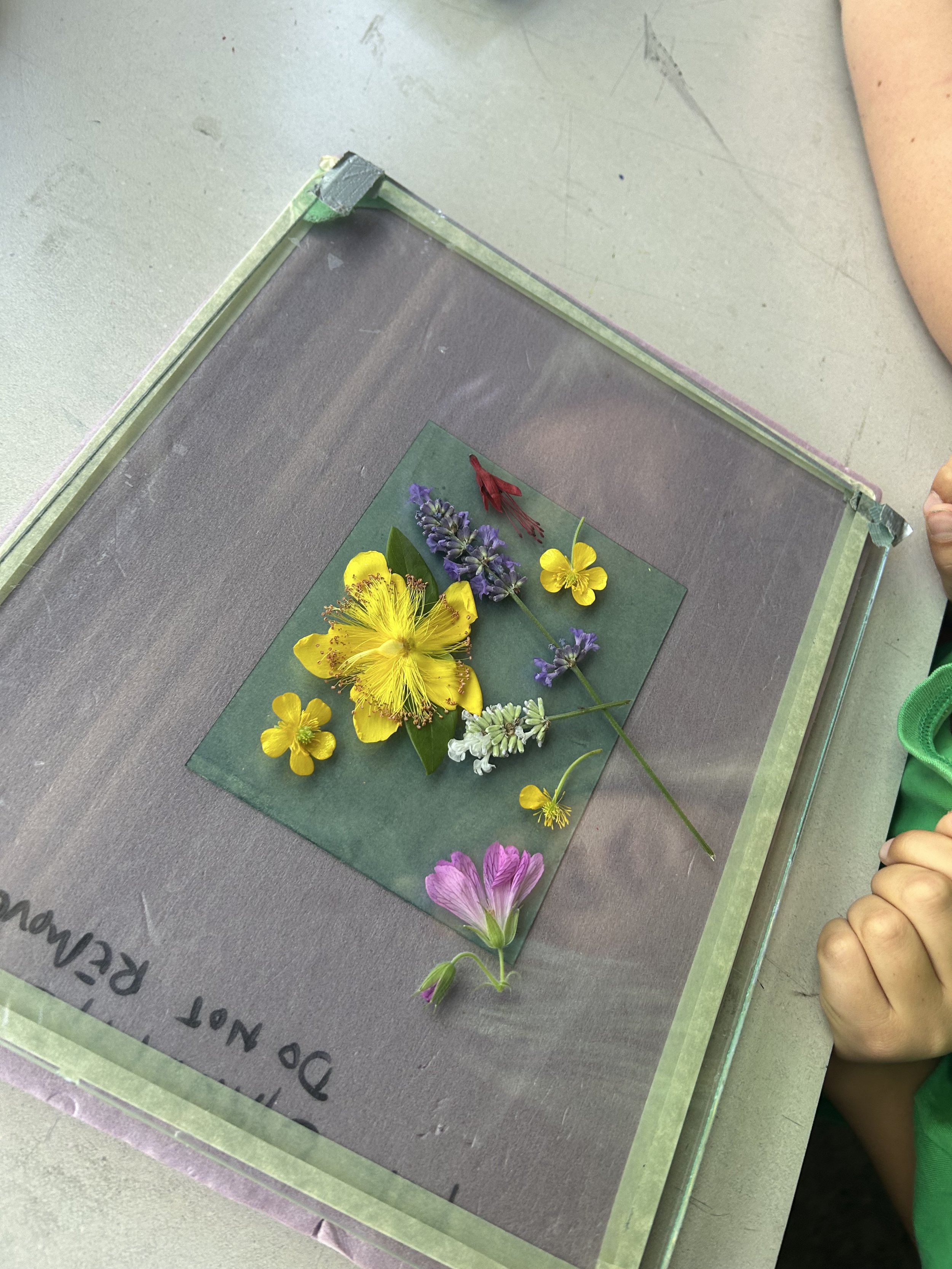
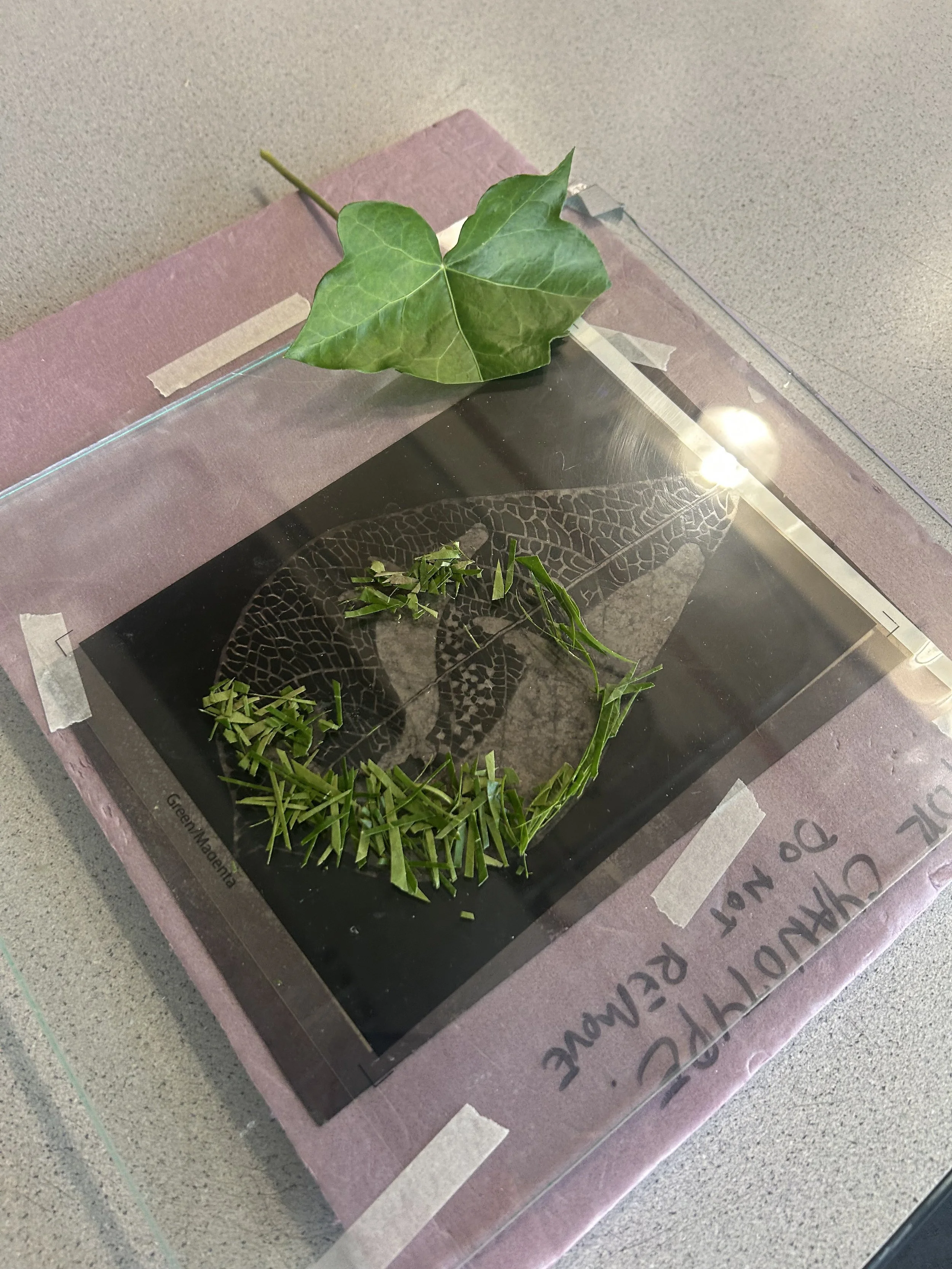
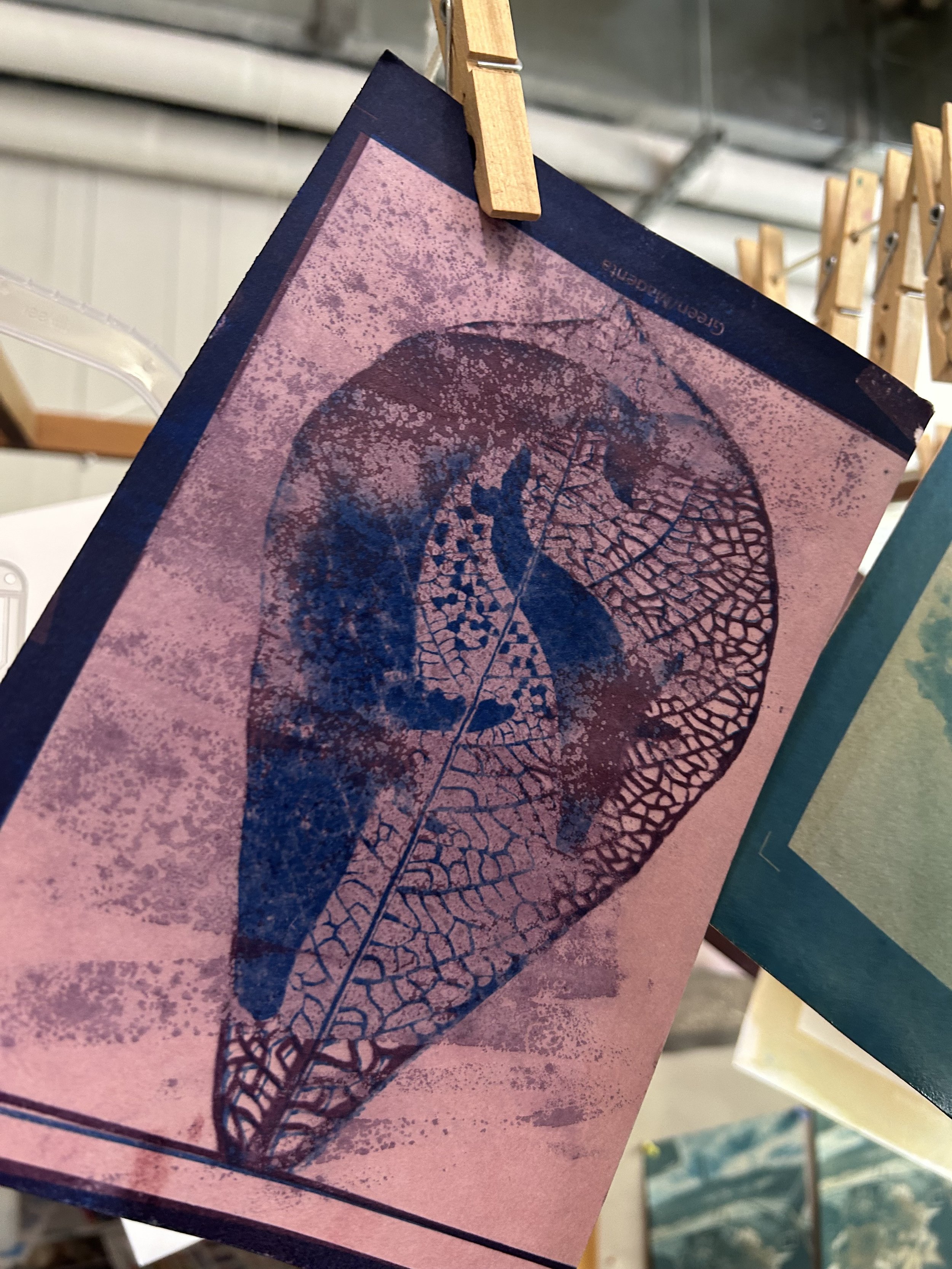
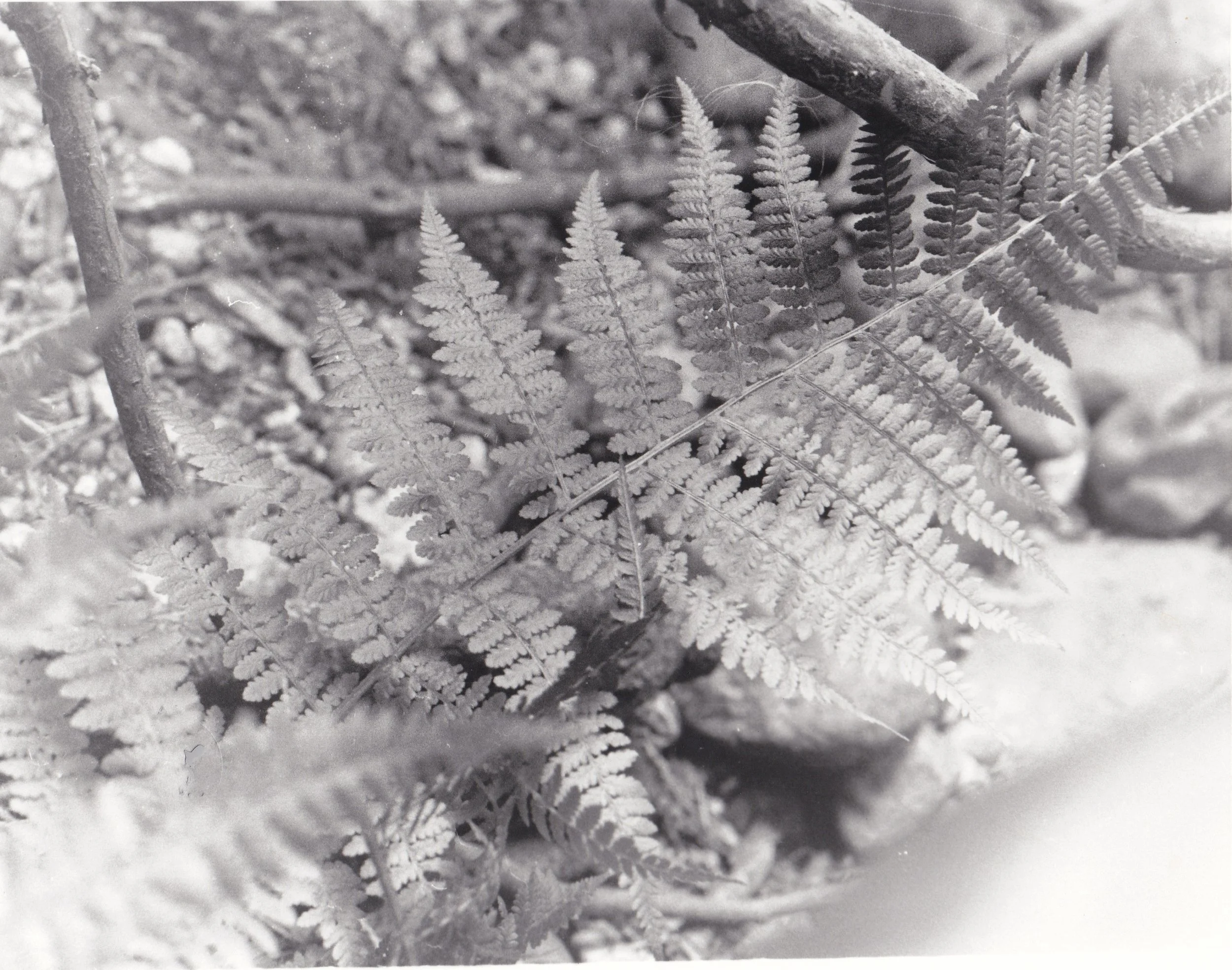
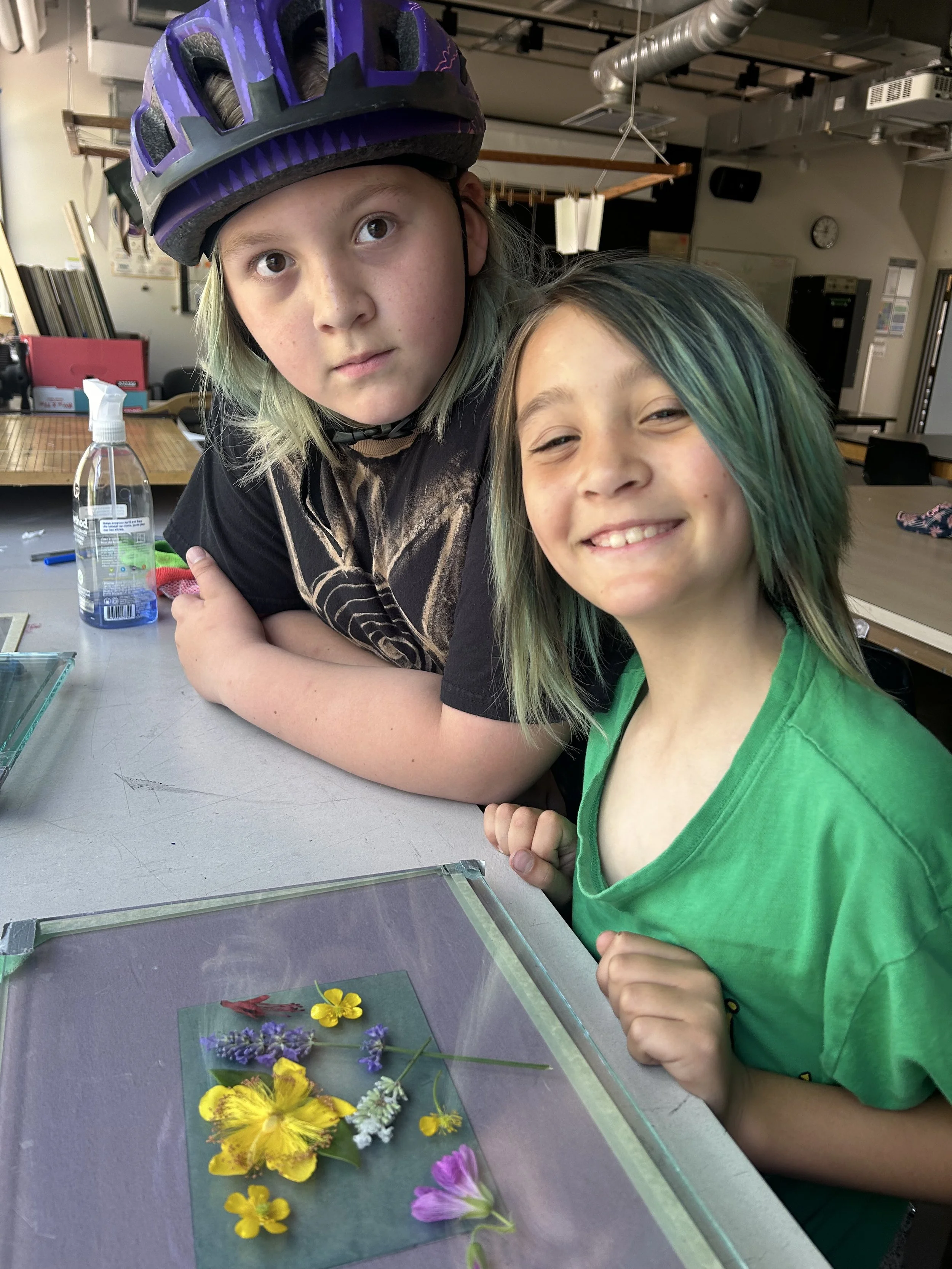
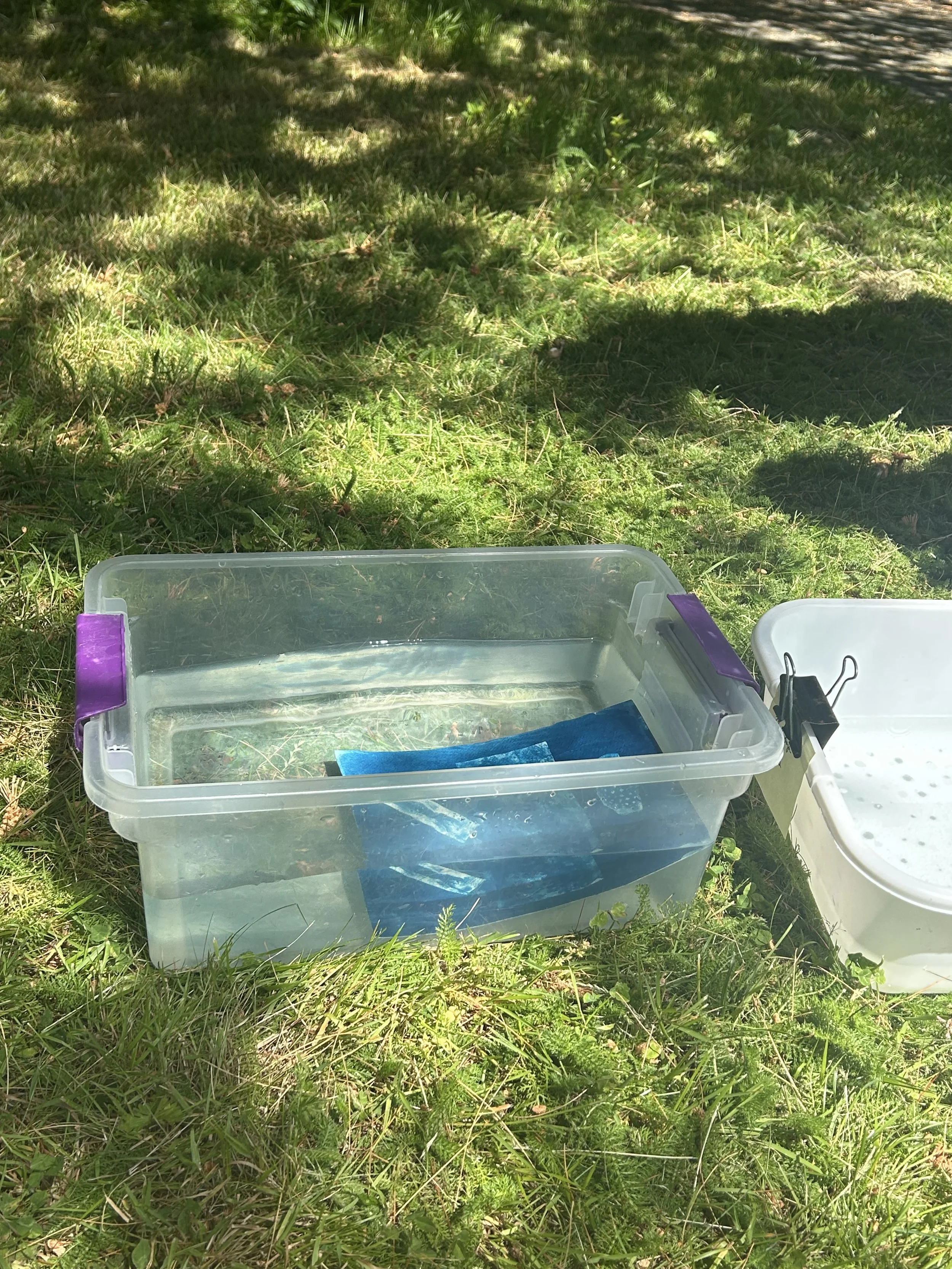
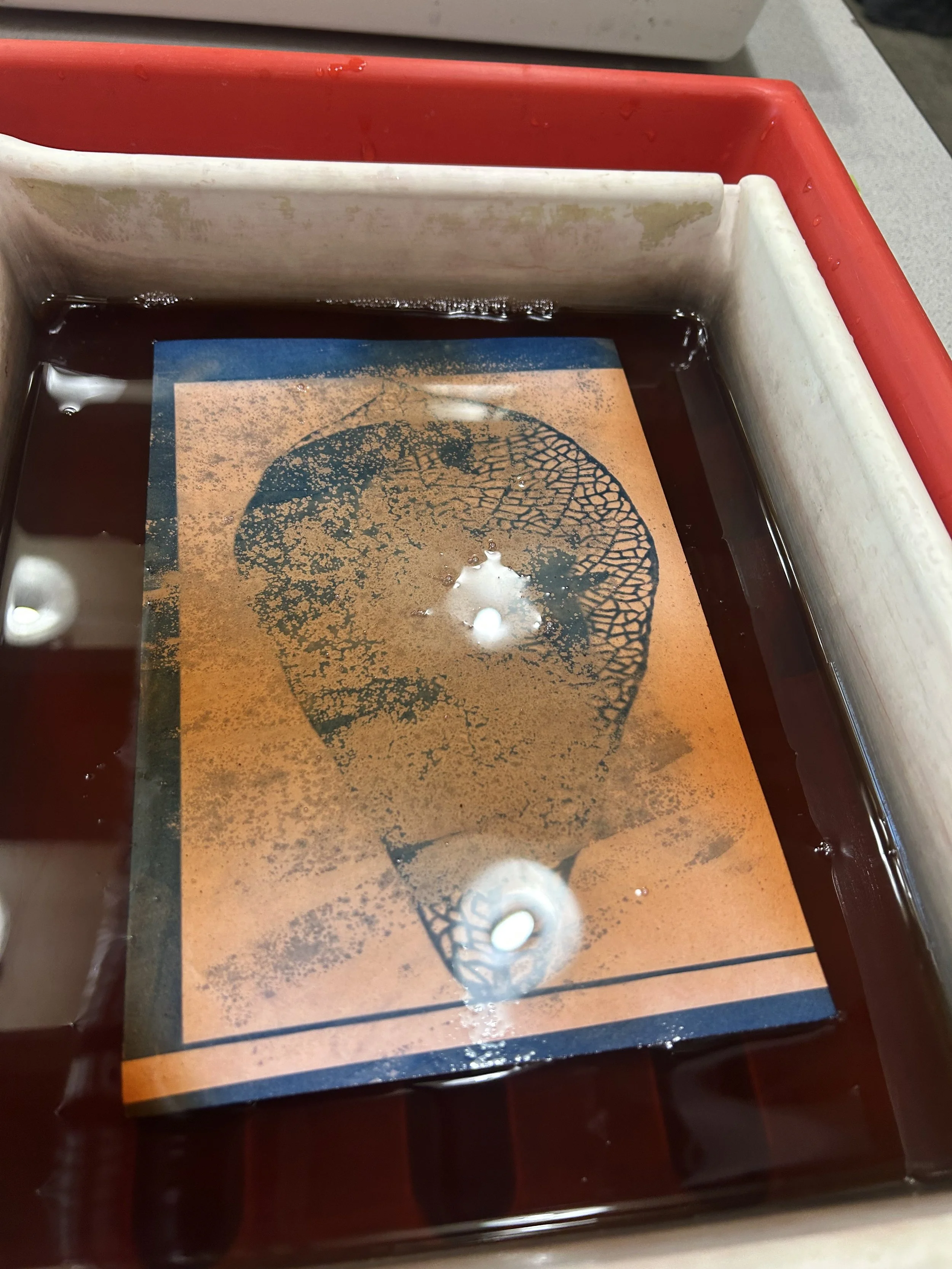
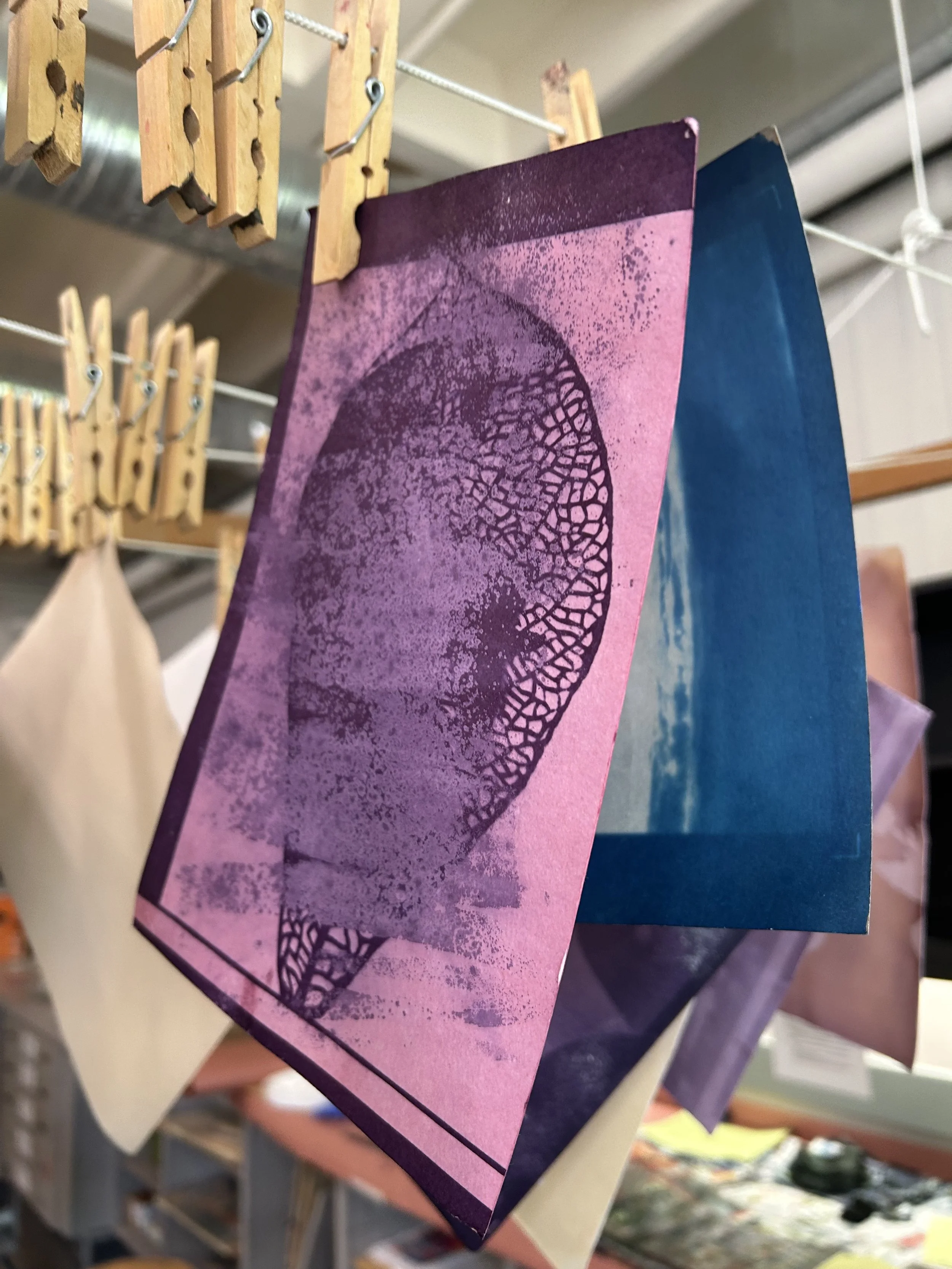
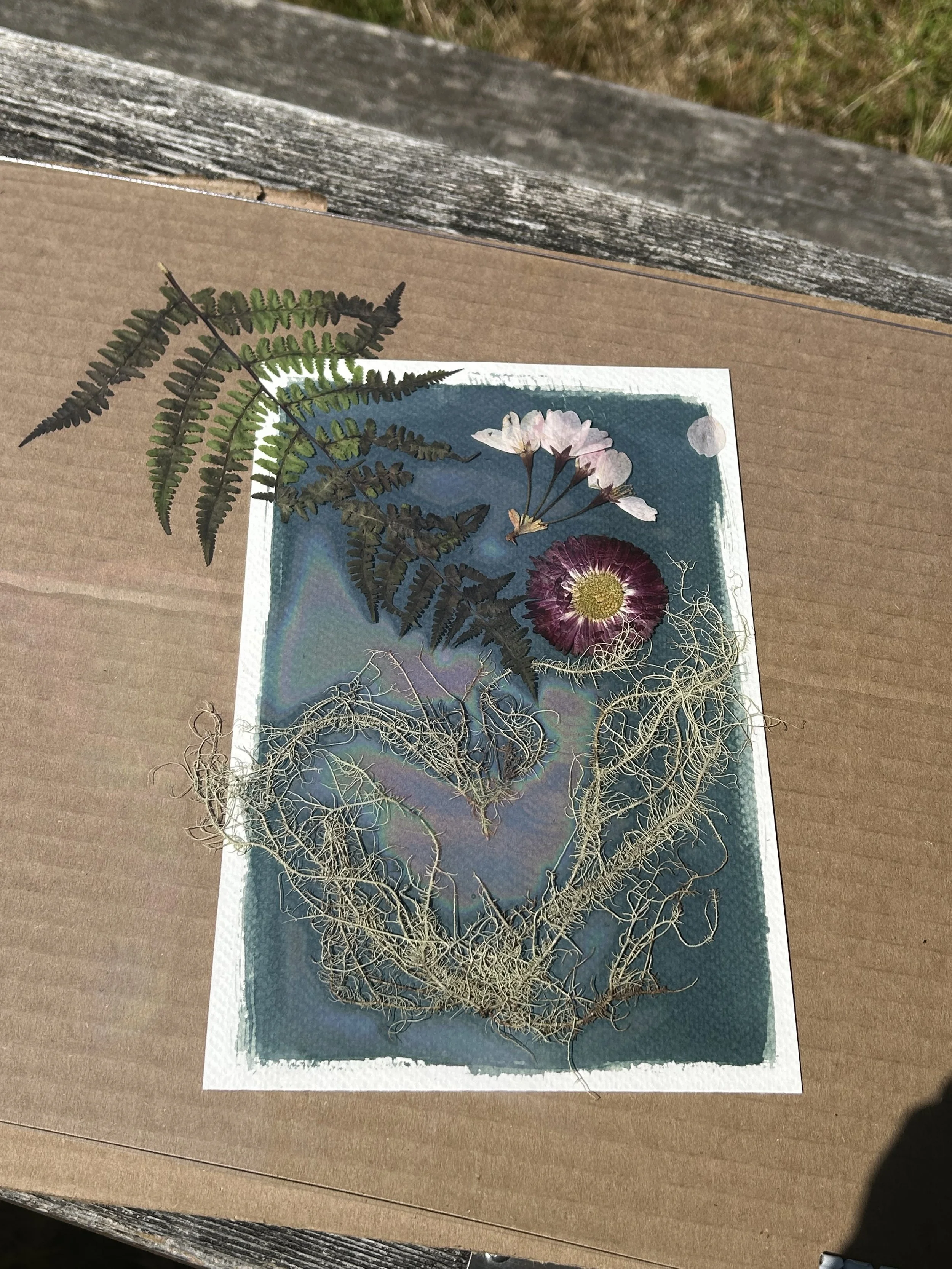
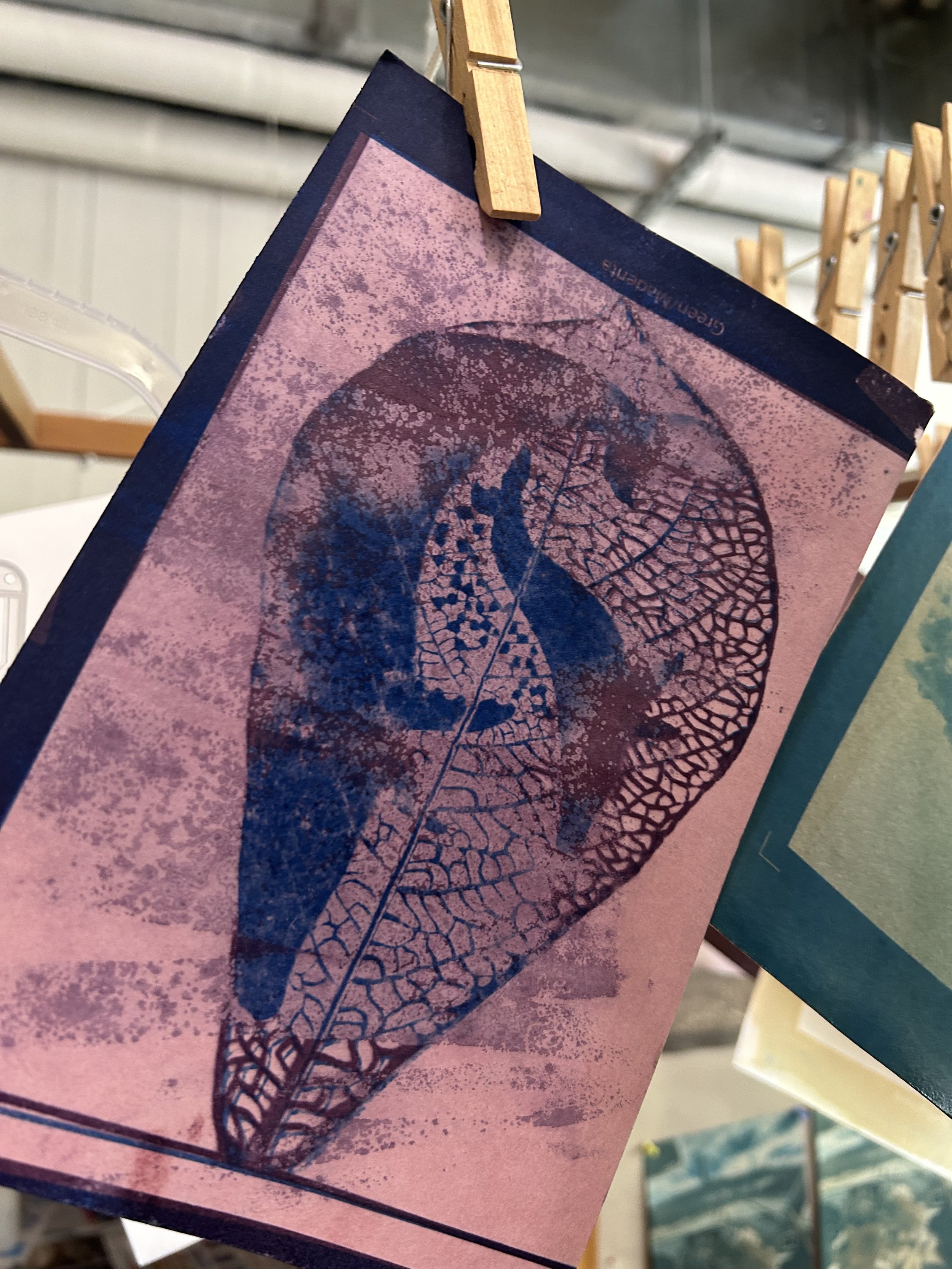
Cyanotyping and development of art prints
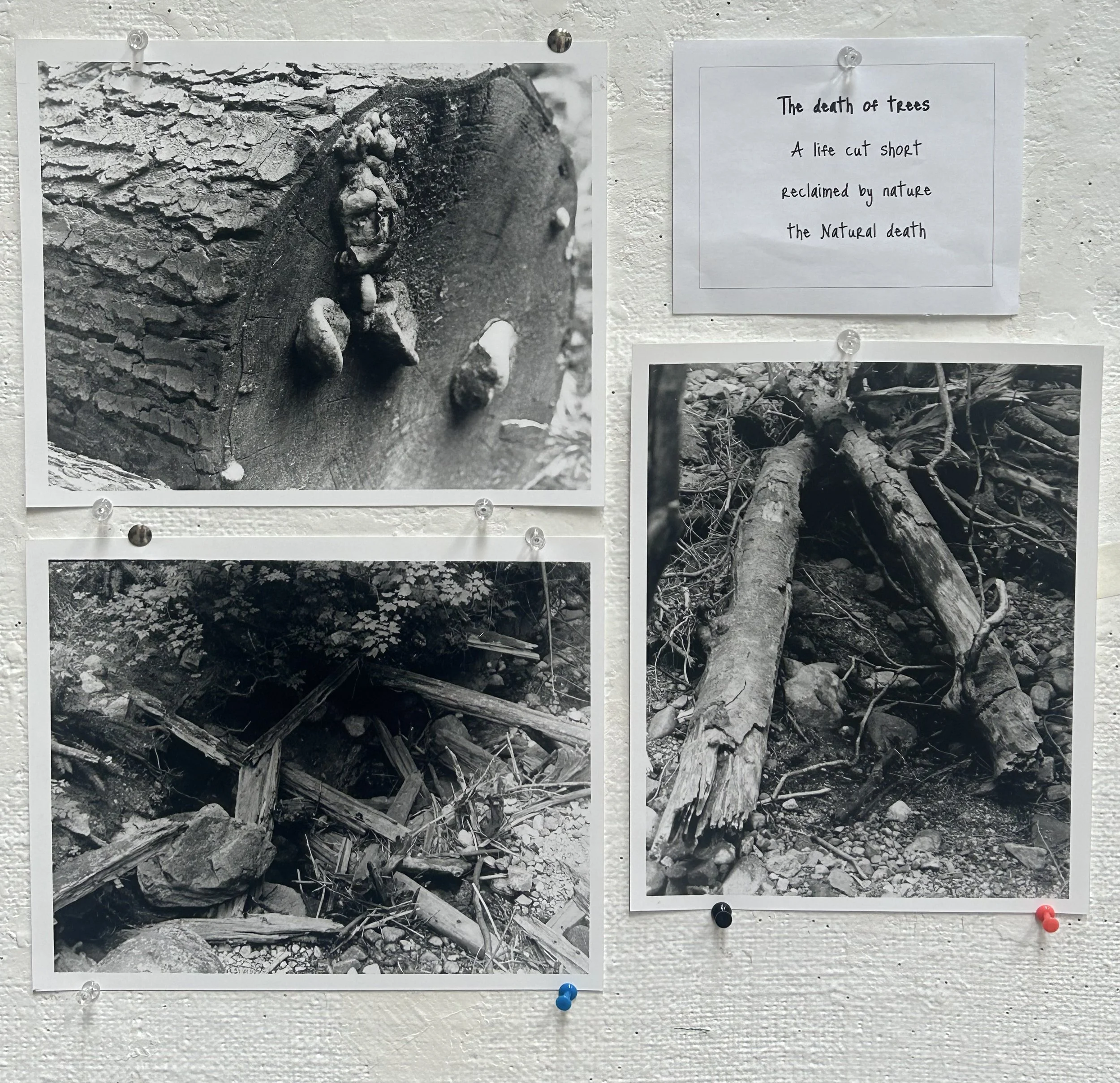
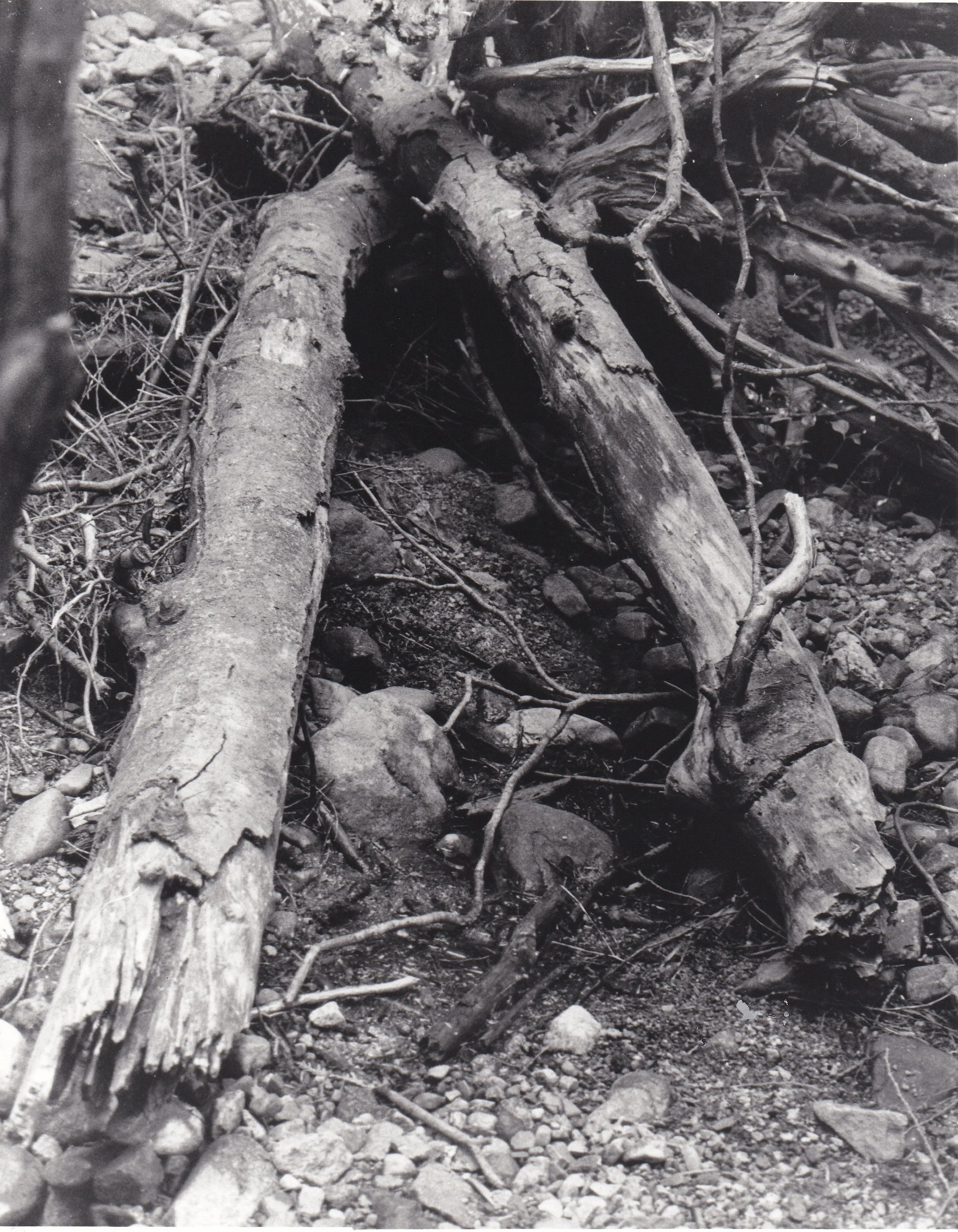
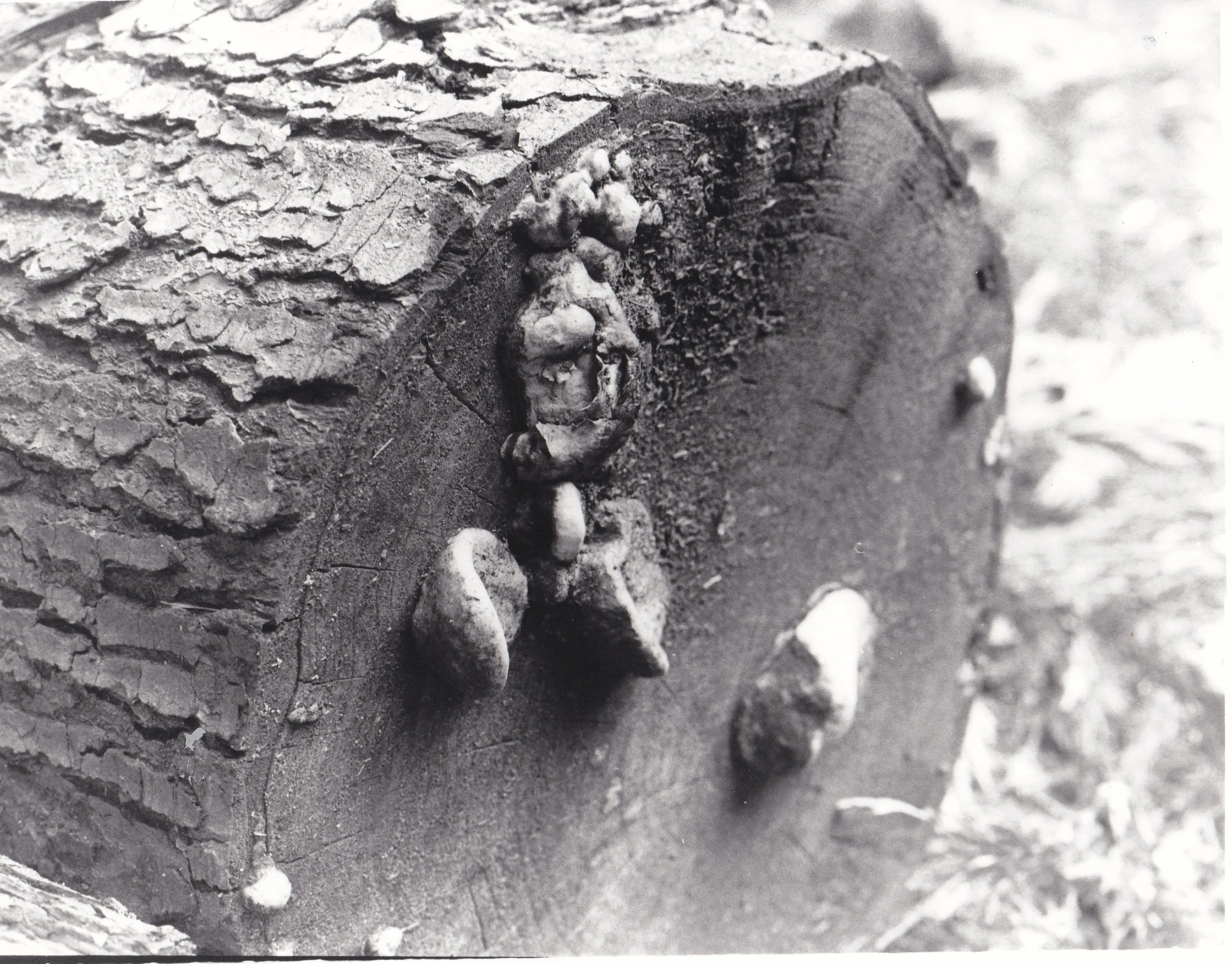
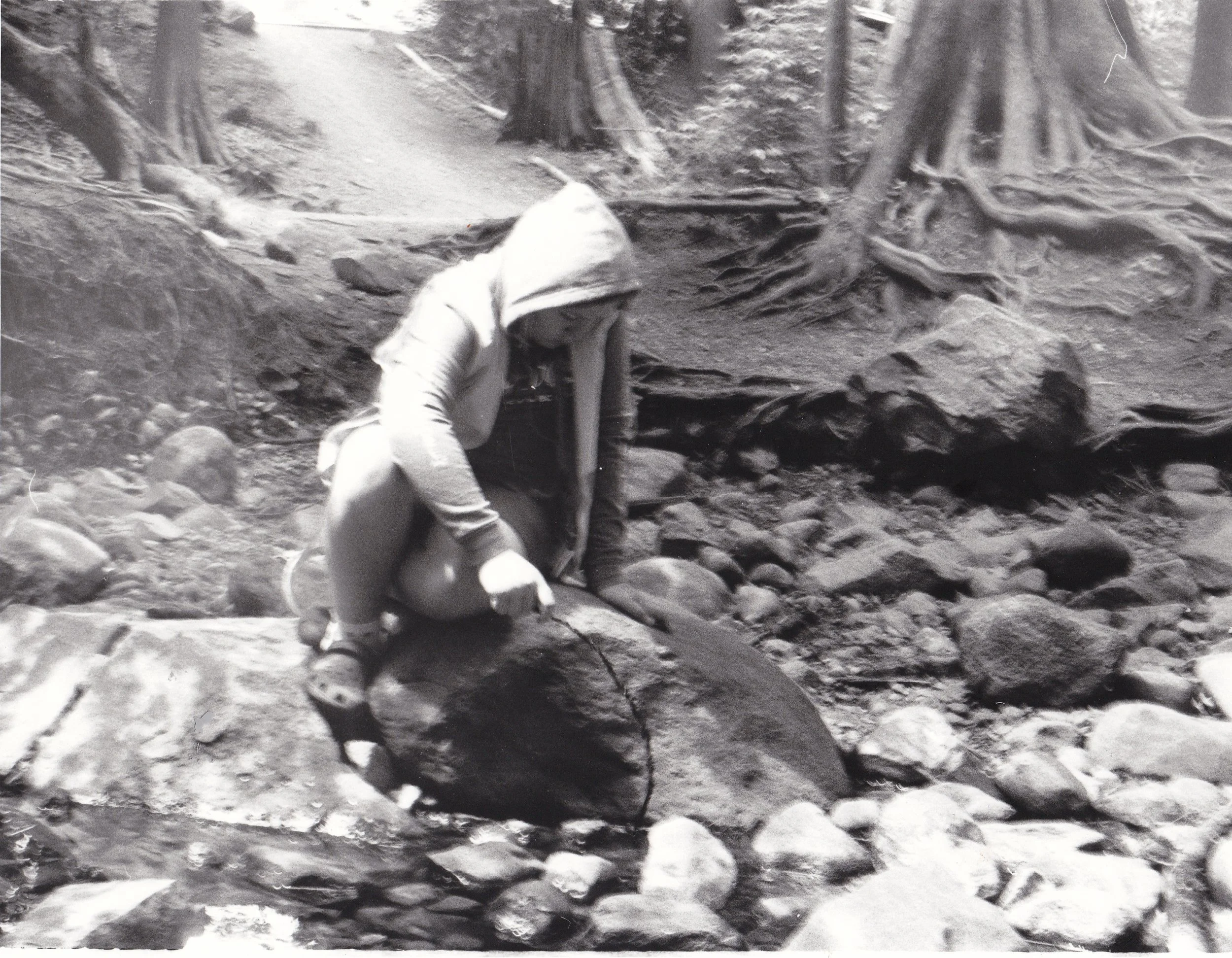
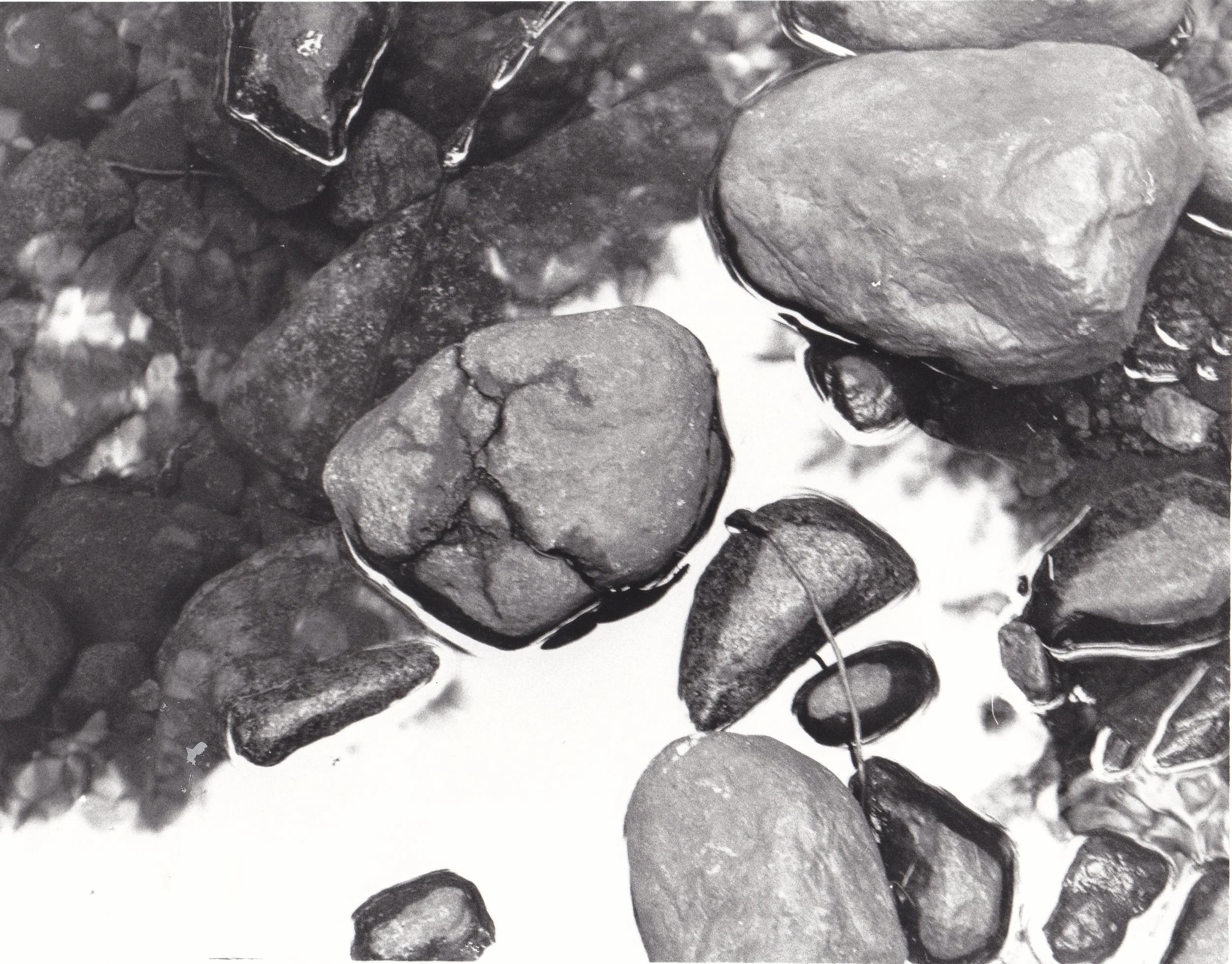
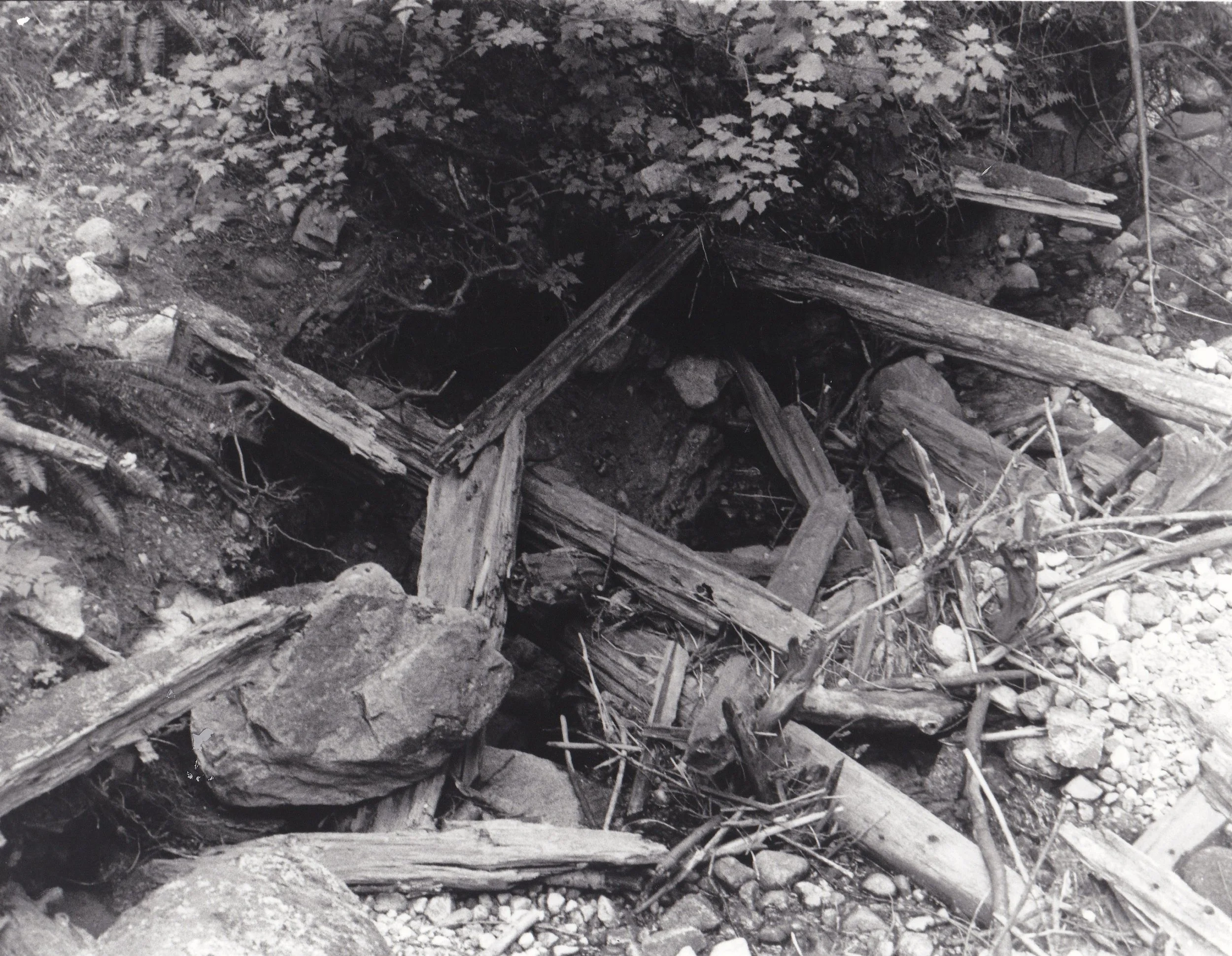
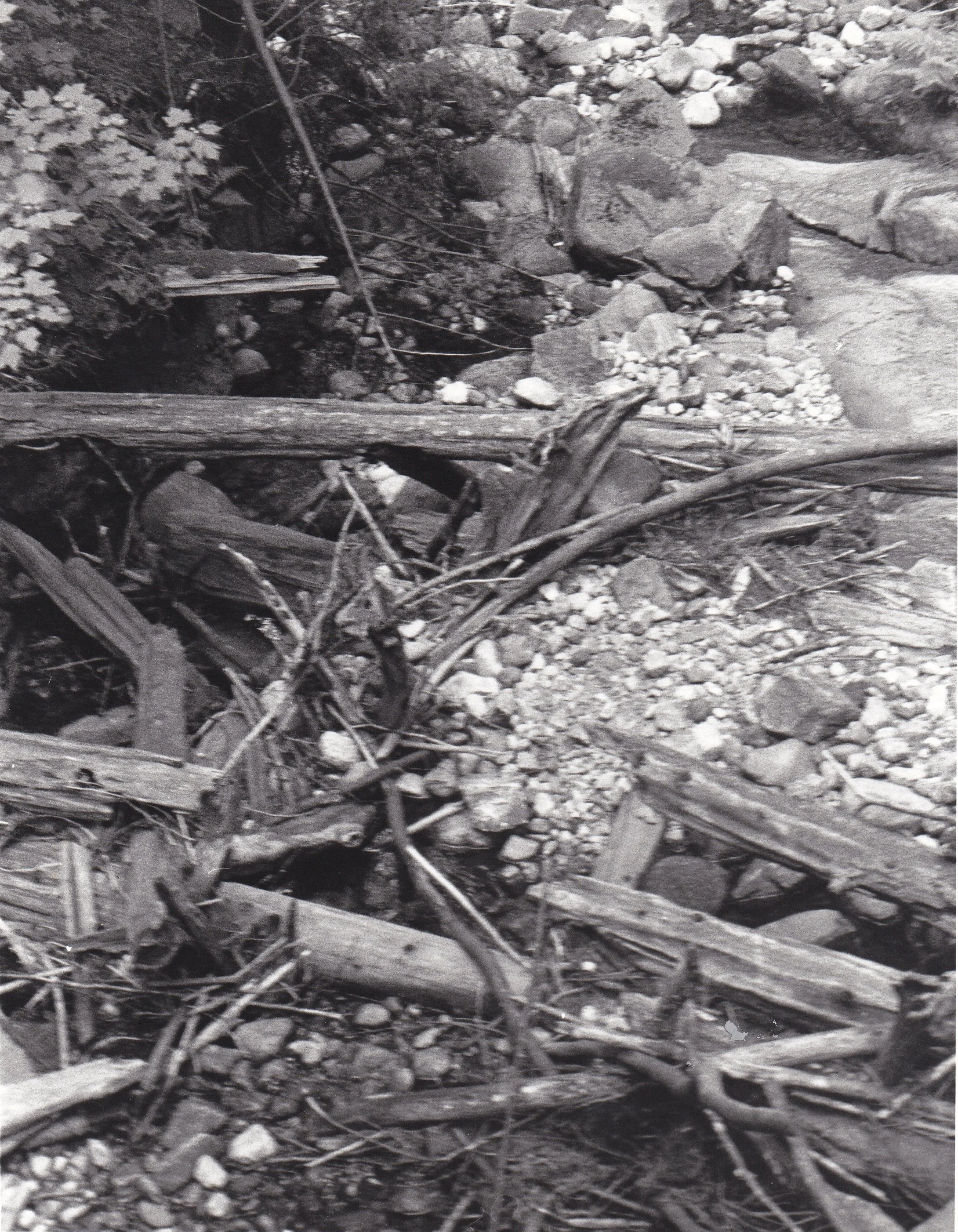
The death of trees
A life cut short
Reclaimed by nature
the Natural death
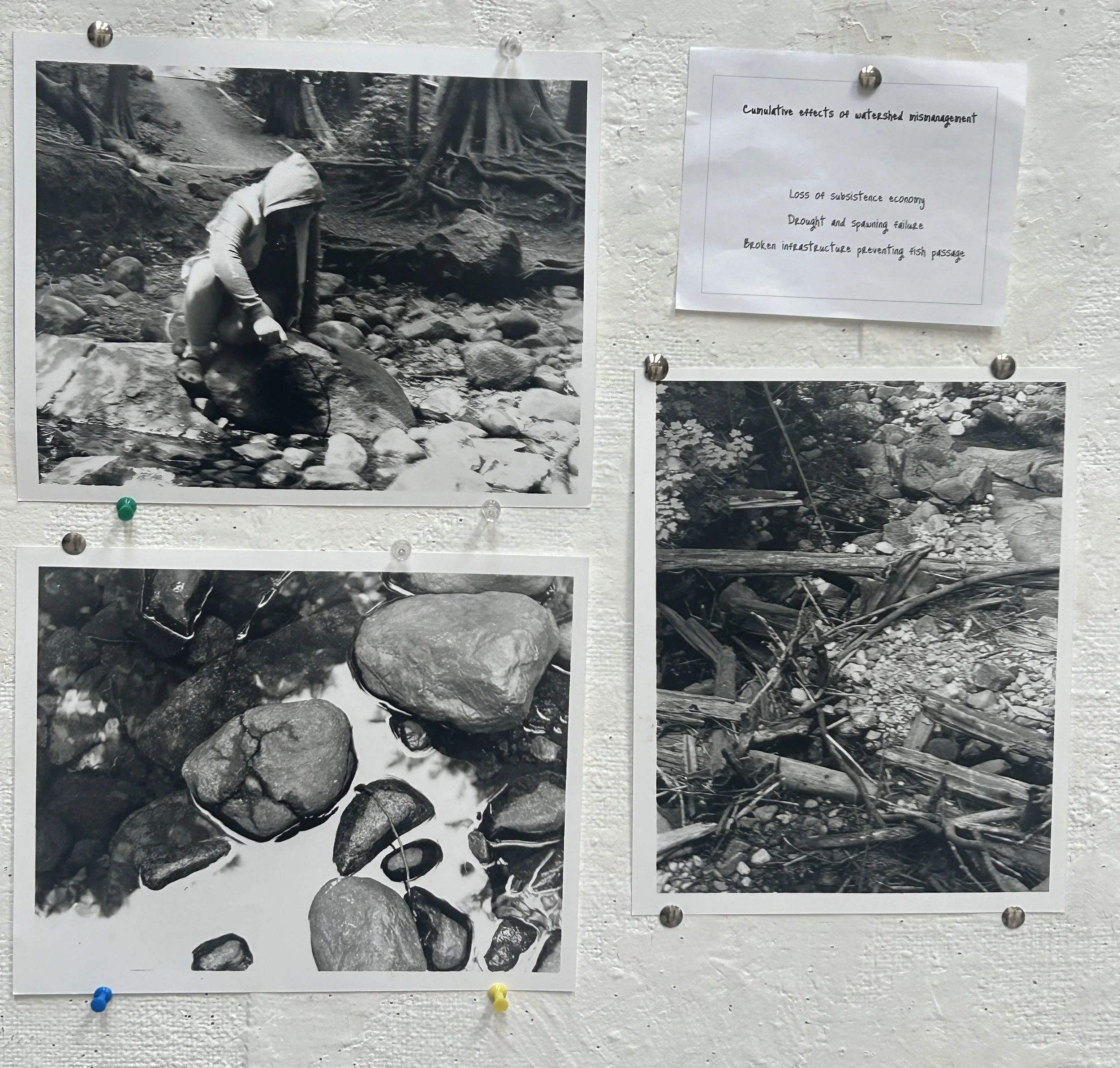
Cumulative effects of
watershed
mismanagement
Loss of subsistence
economy
Drought and spawning
failure
Broken infrastructure
preventing fish passage
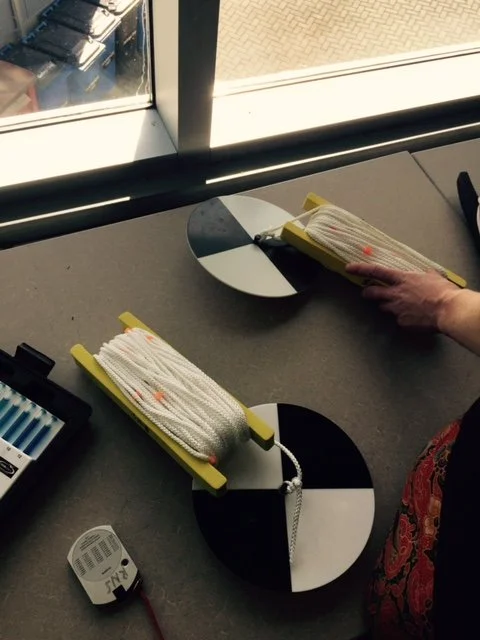
Equipment, how we do what we do
1 2. 3. 4. 5.
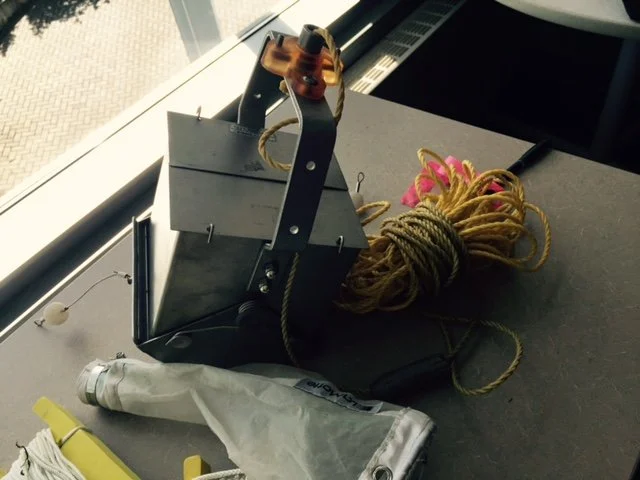
1. An eckman dredge. This was the kind of tool used for capturing the Pacific Sandlance in acoustic disturbance project with the Juanes Lab.
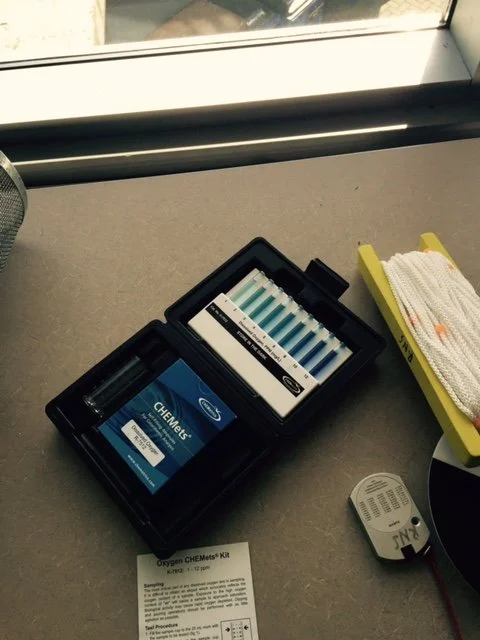
2. A field DO test (Dissolved oxygen). It is a colour metric test, assessing levels of DO based on colour intensity
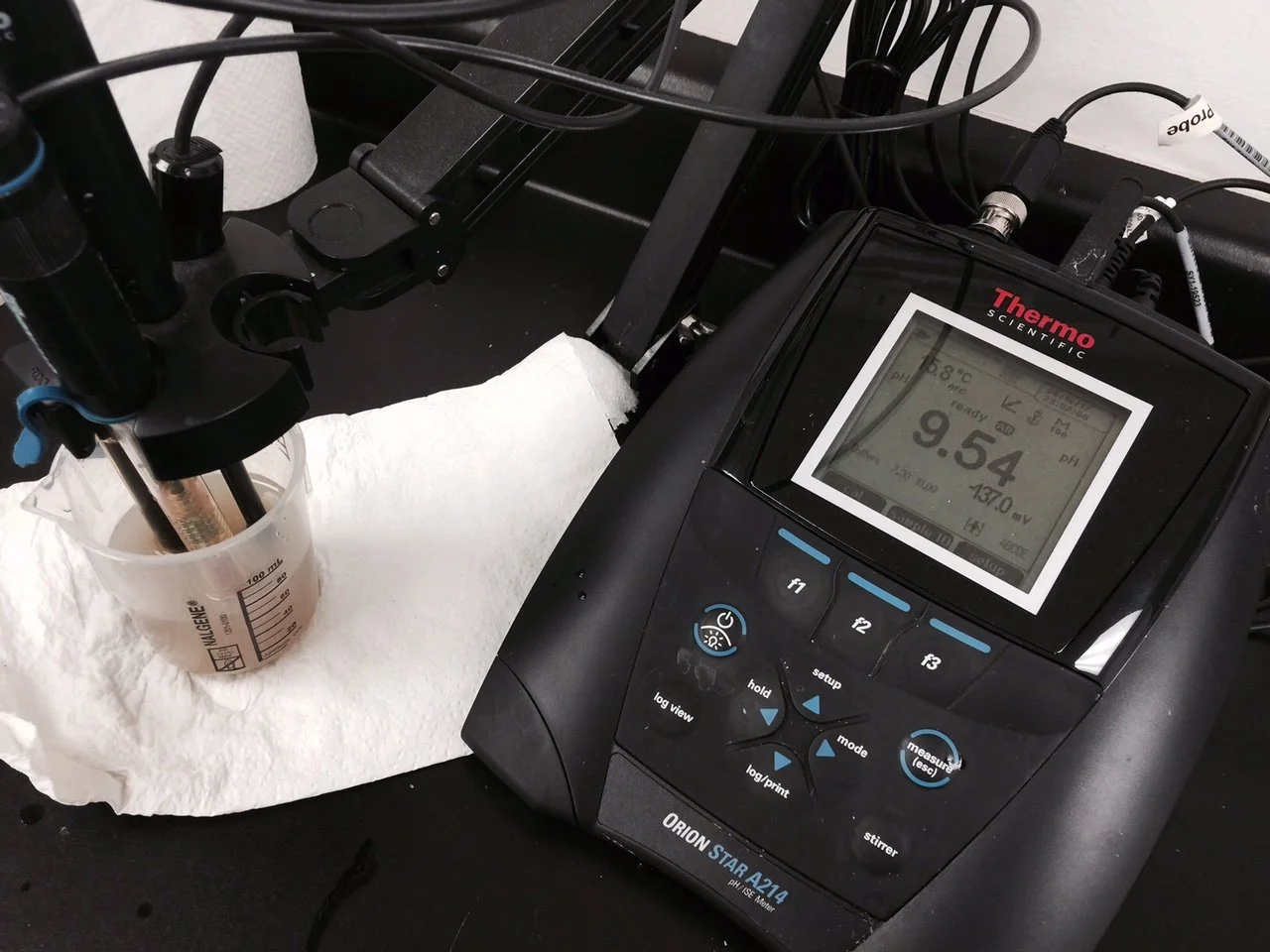
3. A lab based pH meter
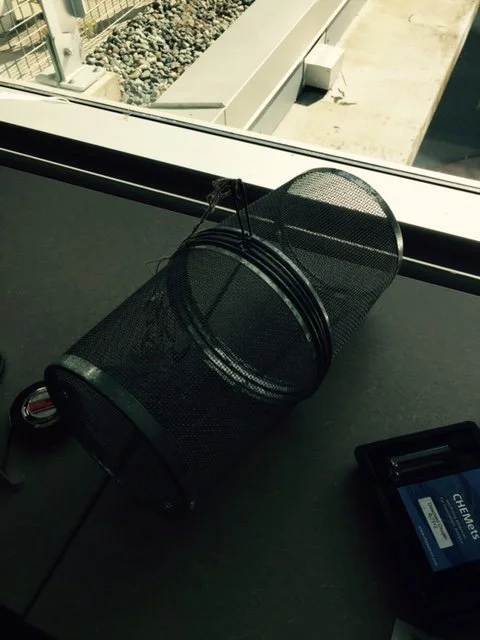
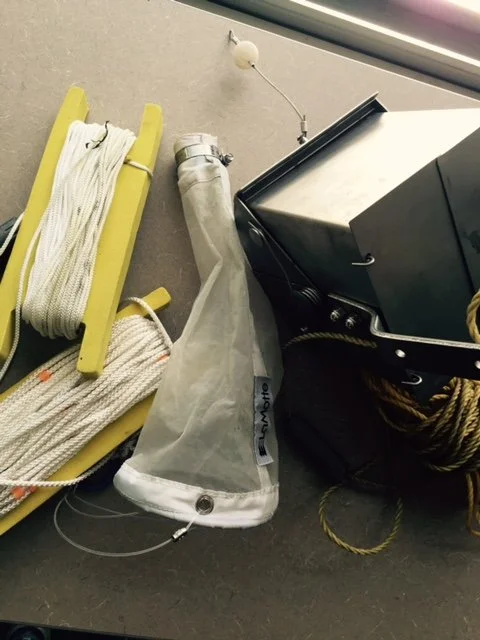
4. A small plankton net, can be used for freshwater or marine samples for capturing planktonic (free swimming) phytoplankton or zooplankton
5.a Secci disc for assessing PAR (photosynthetically active radiation, aka, penetration of sunlight into water bodies), clarity and turbidity in the field. The disc is dropped to the lower level of visibility and depth recorded
6. 7.
2. 3. 4. 5.
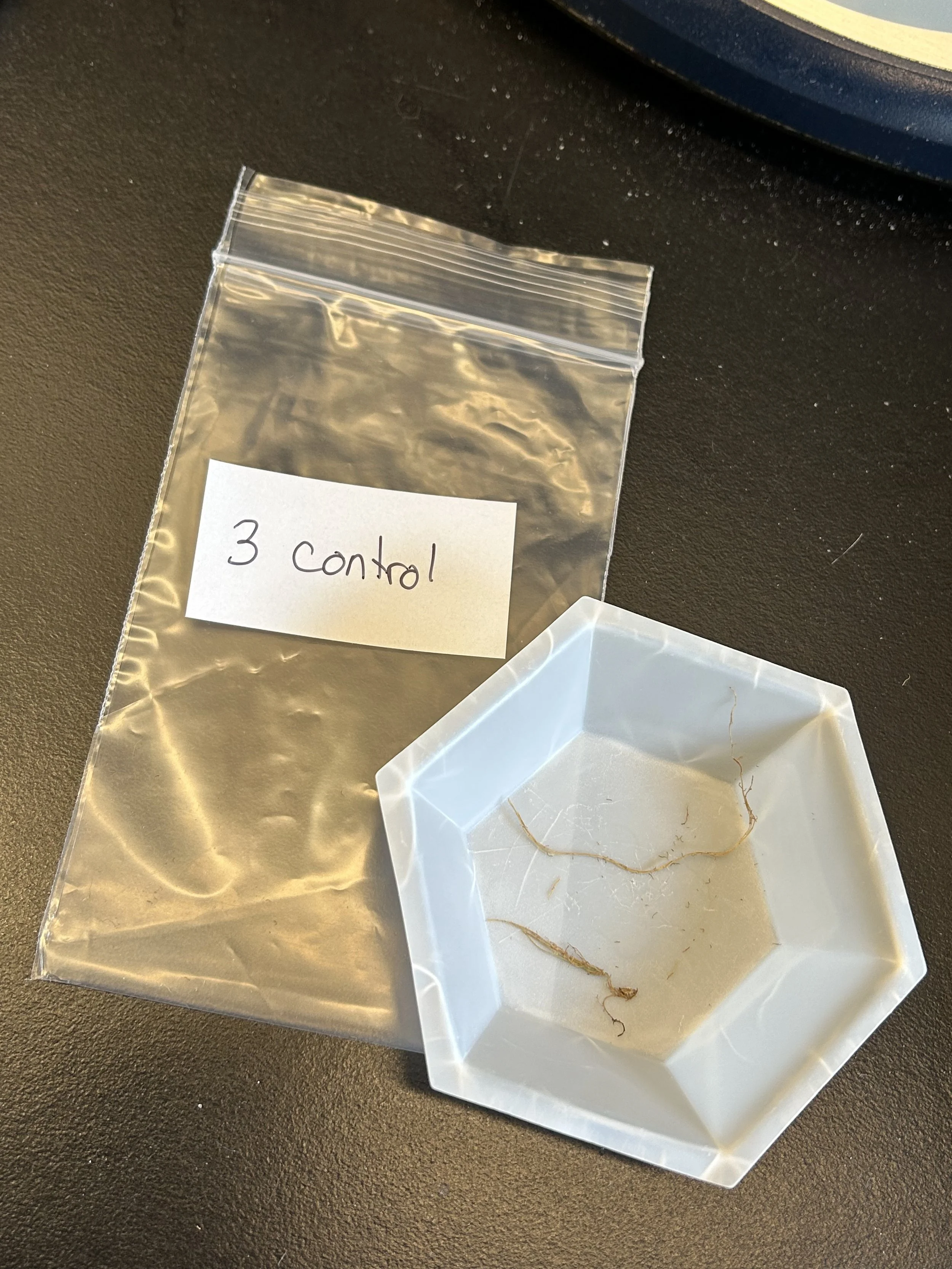
1.Bear hair and tissue samples. You don’t need a large quantity, you just need good quality
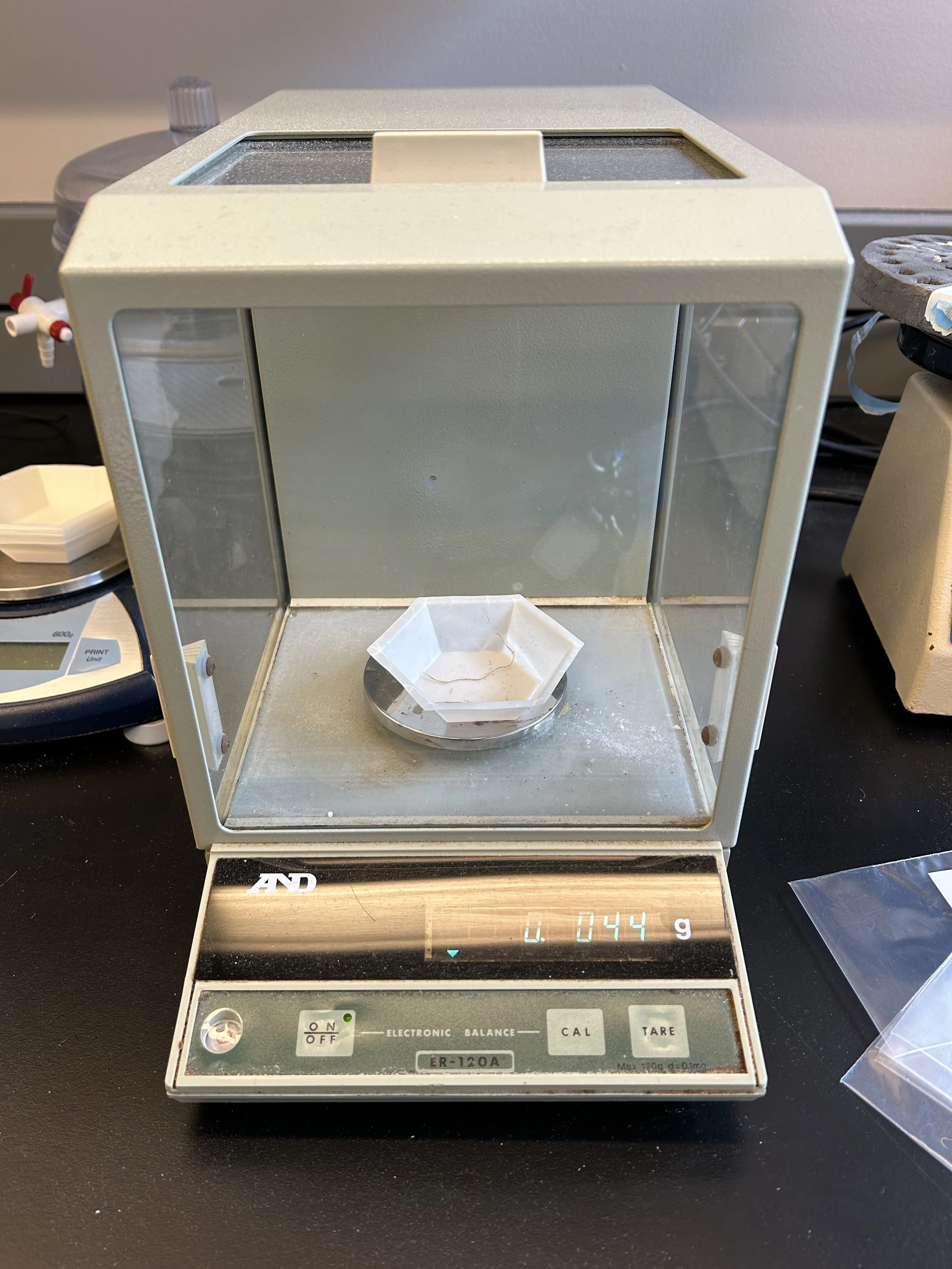
2. Weighing the samples
3. A bear beader prepares the sample for a DNA extraction
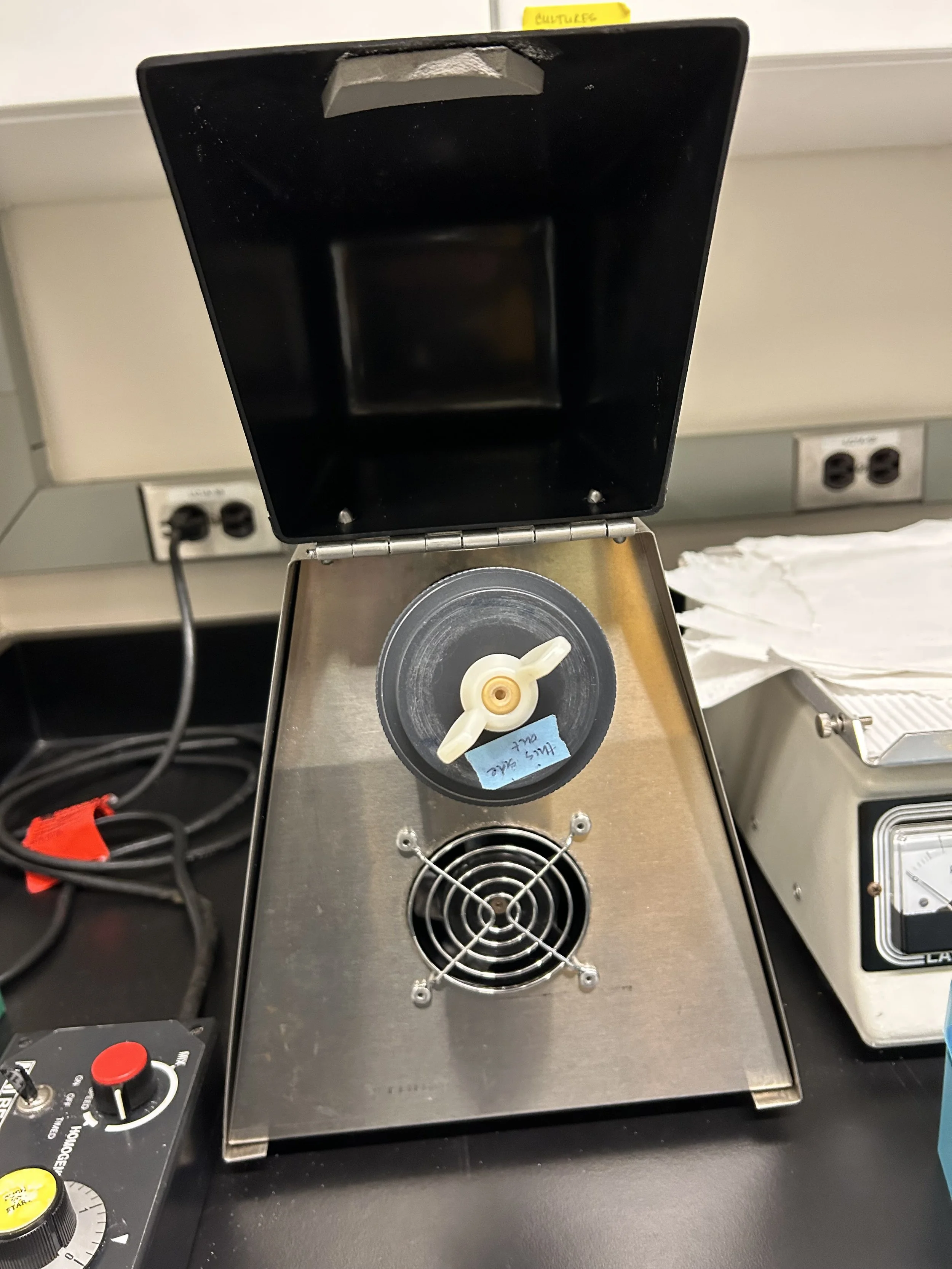
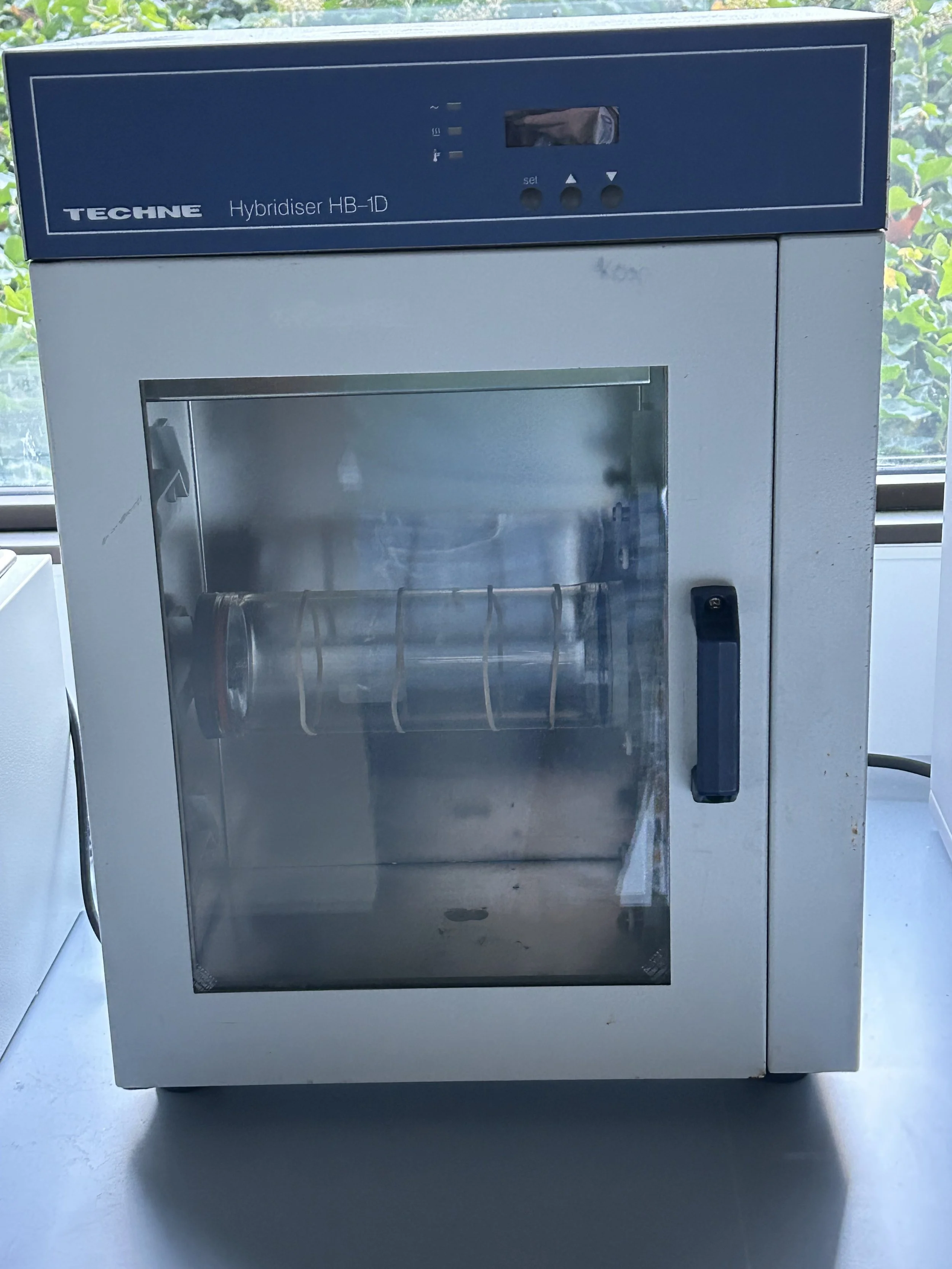
4. A rotating incubator heats the sample as the chemicals lyse the cells for the DNA
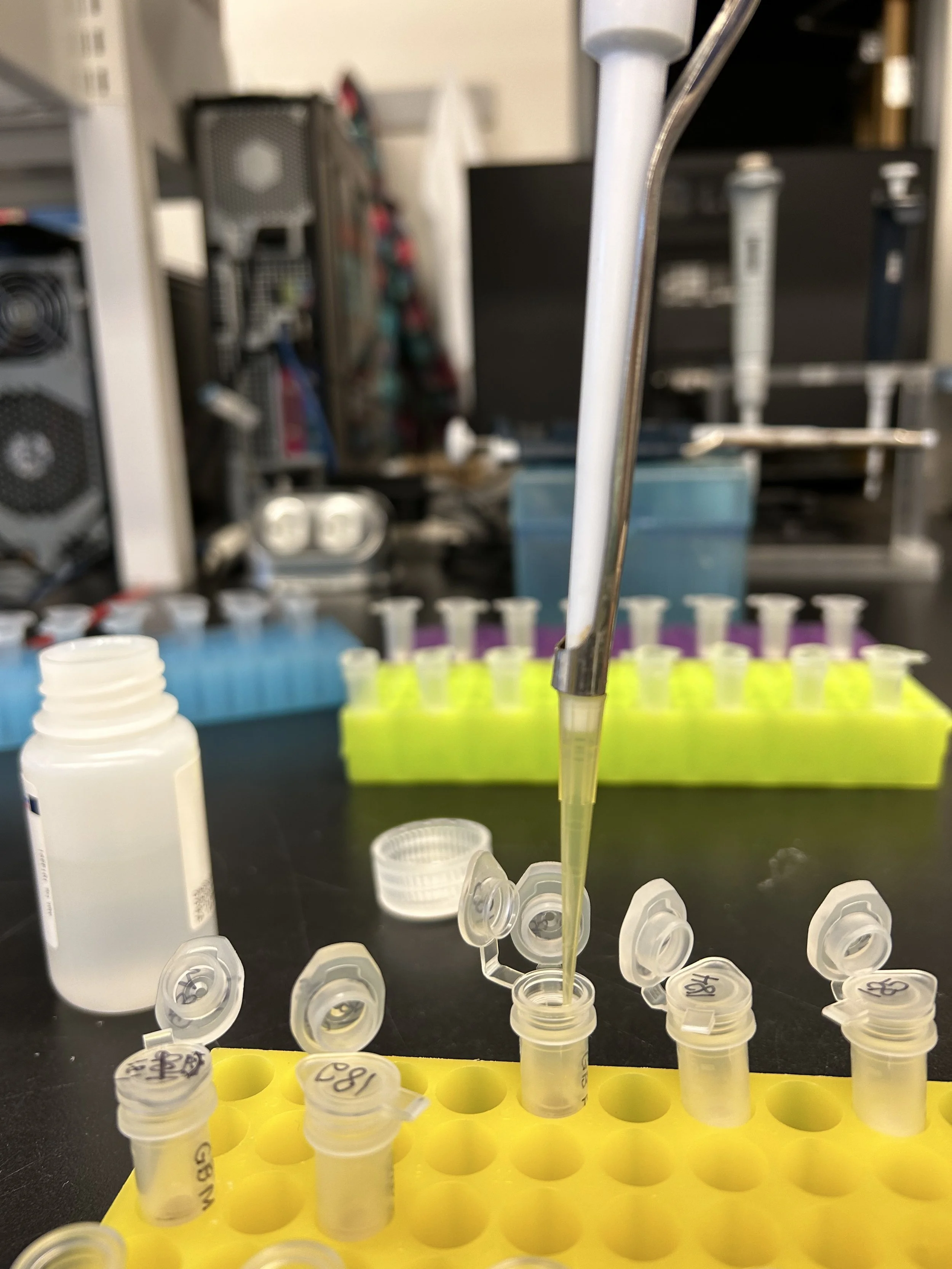
5. Pipetting samples for extraction
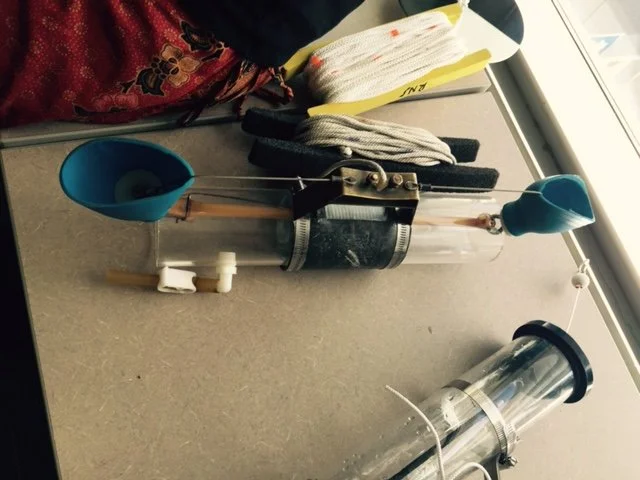
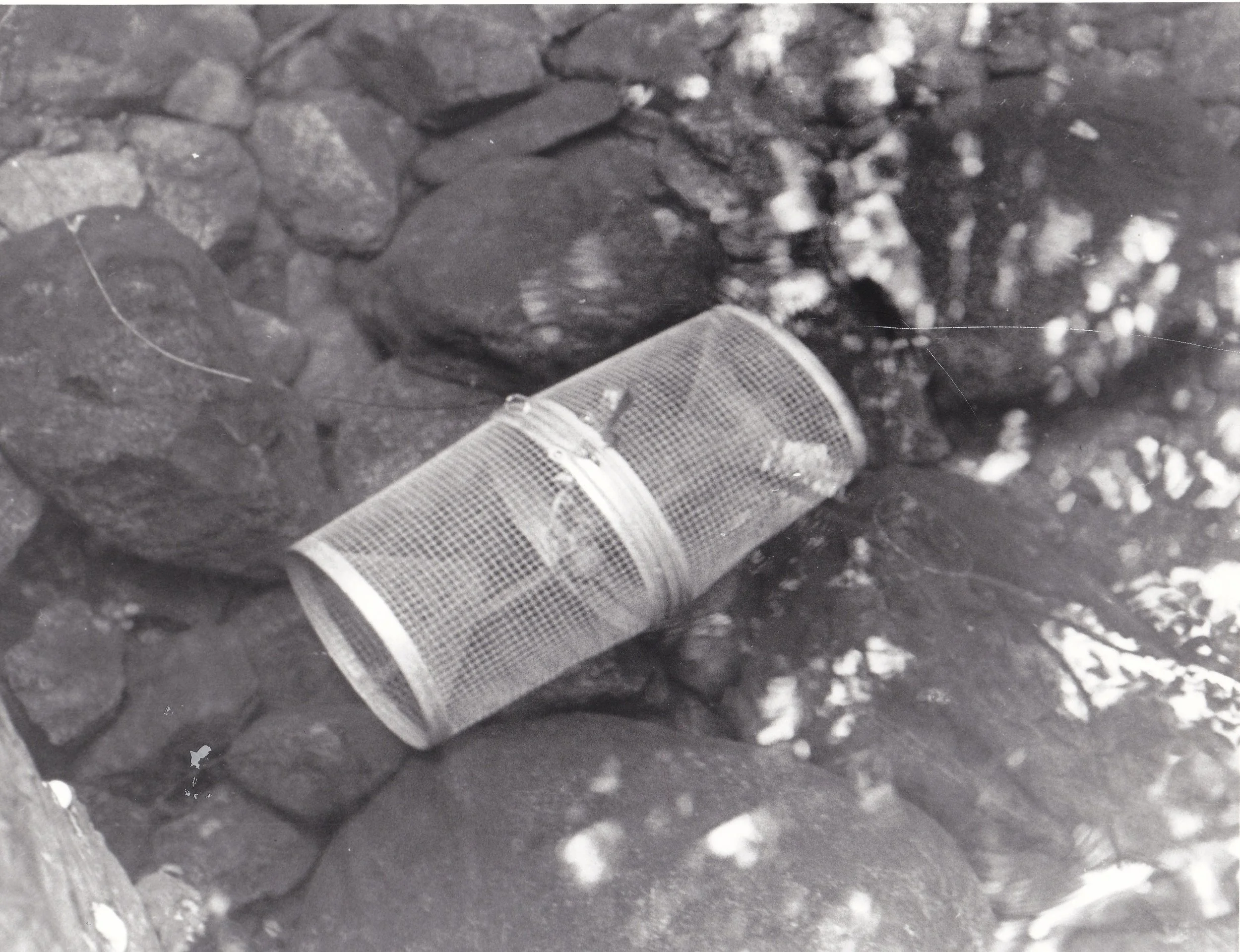
6.A smolt trap for capturing/counting small fish
7. a Van Dorn for sampling water at a specific depth
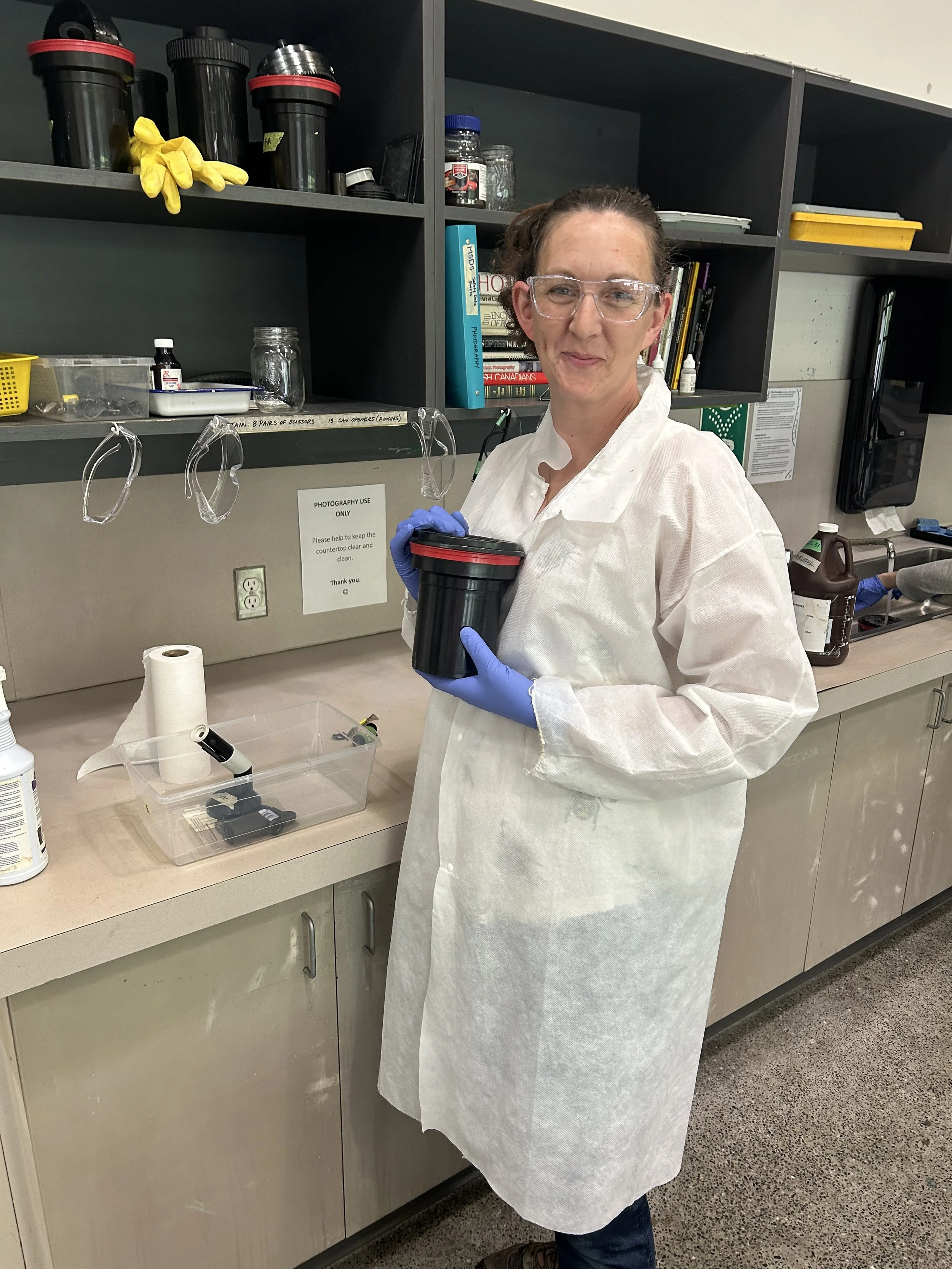
Forensic Molecular Biology
6. 7. 8. 9. 10.
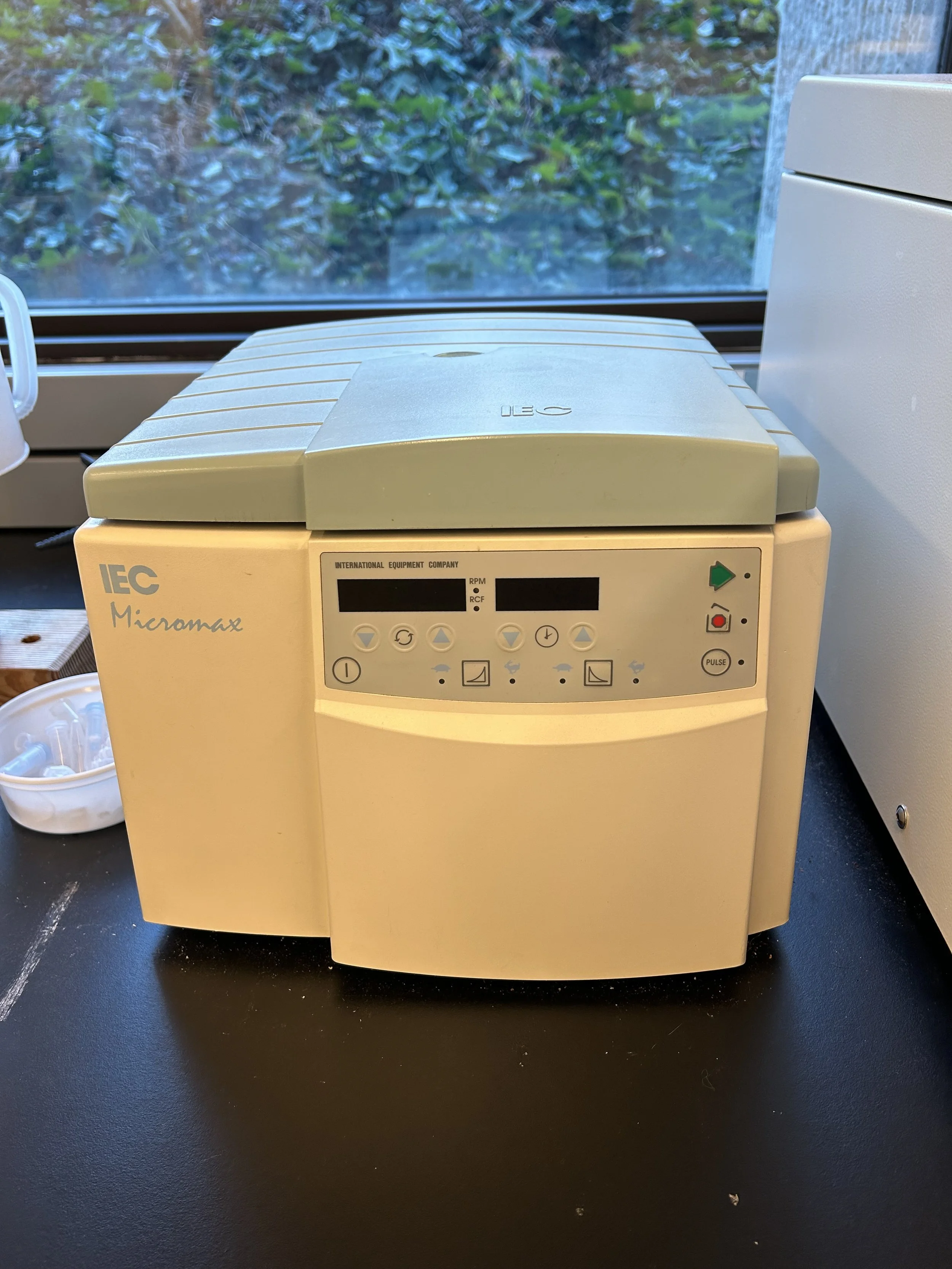
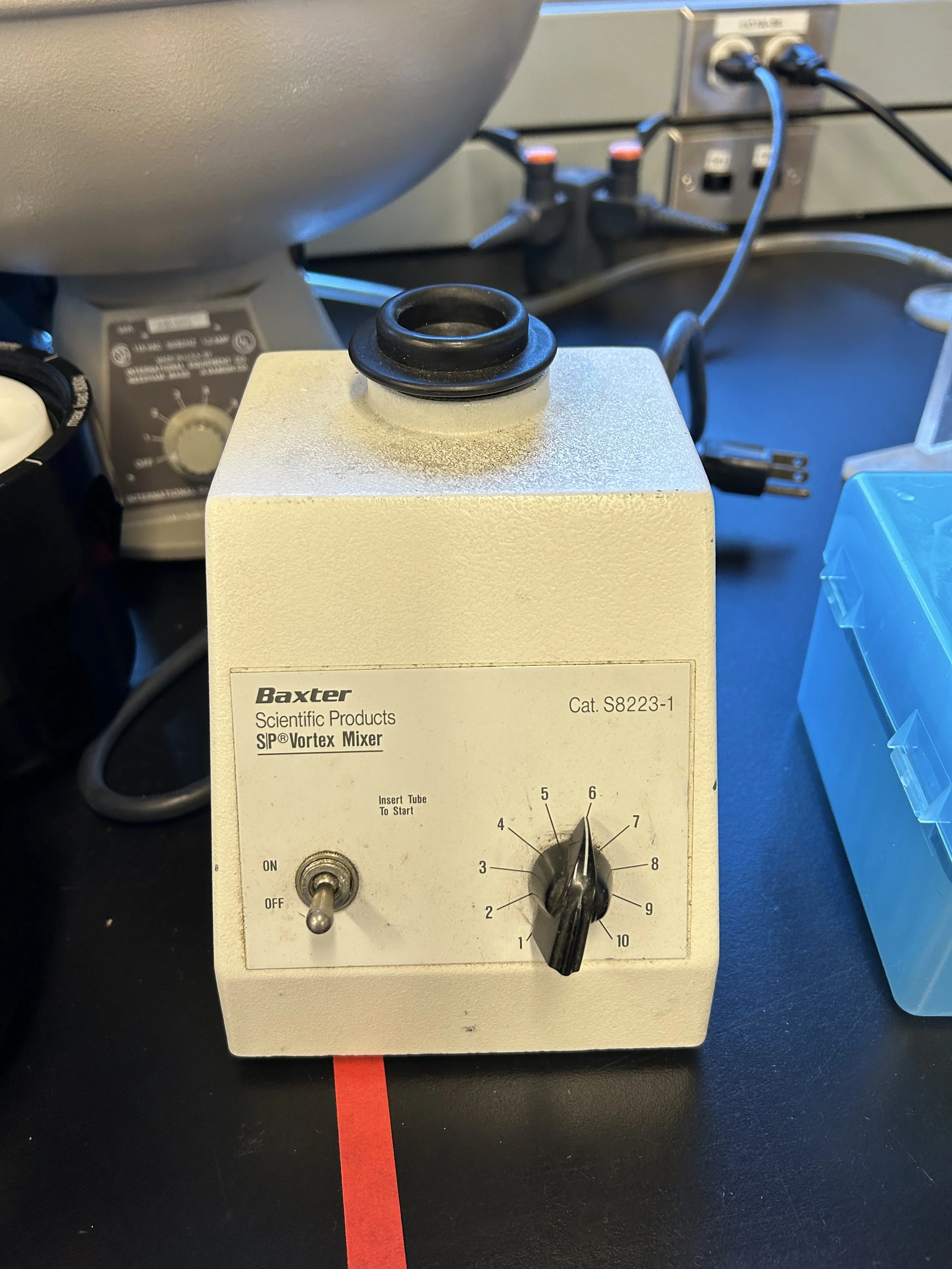
6.A centrifuge for mixing the extractions
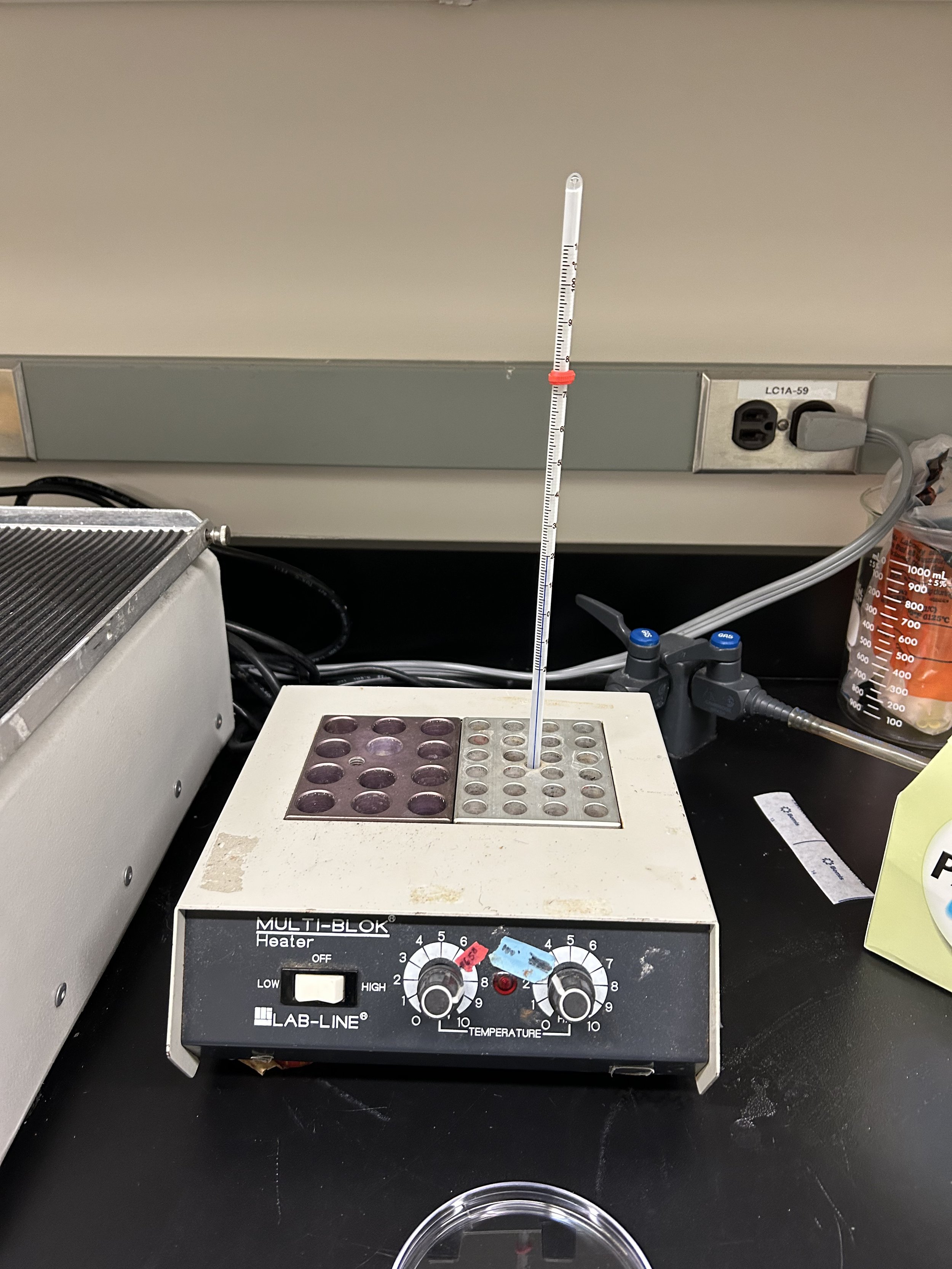
7. A microcentrifuge heating block to make sure the samples are at the ideal temperature
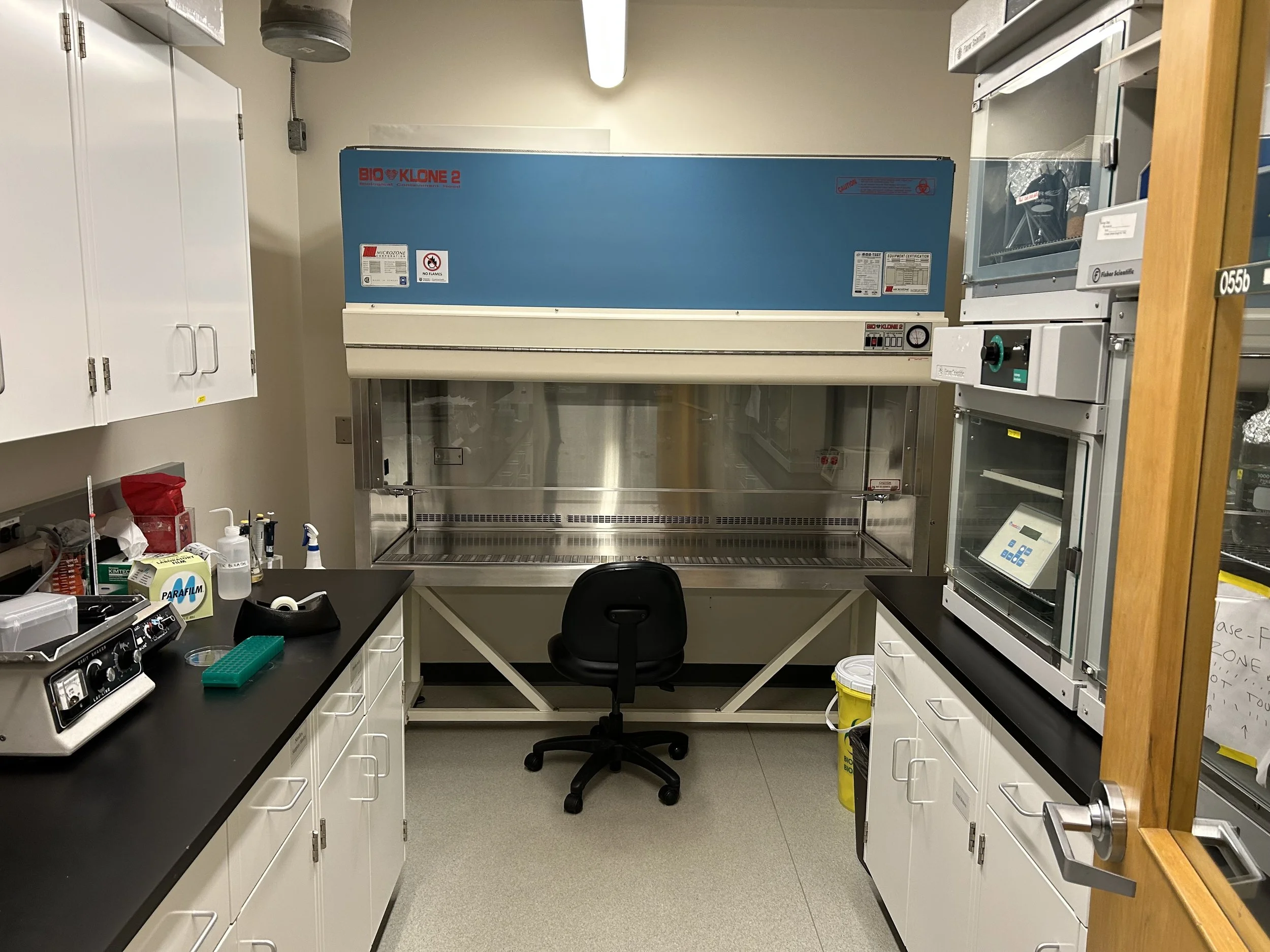
8. The fume hood where the extractions take place
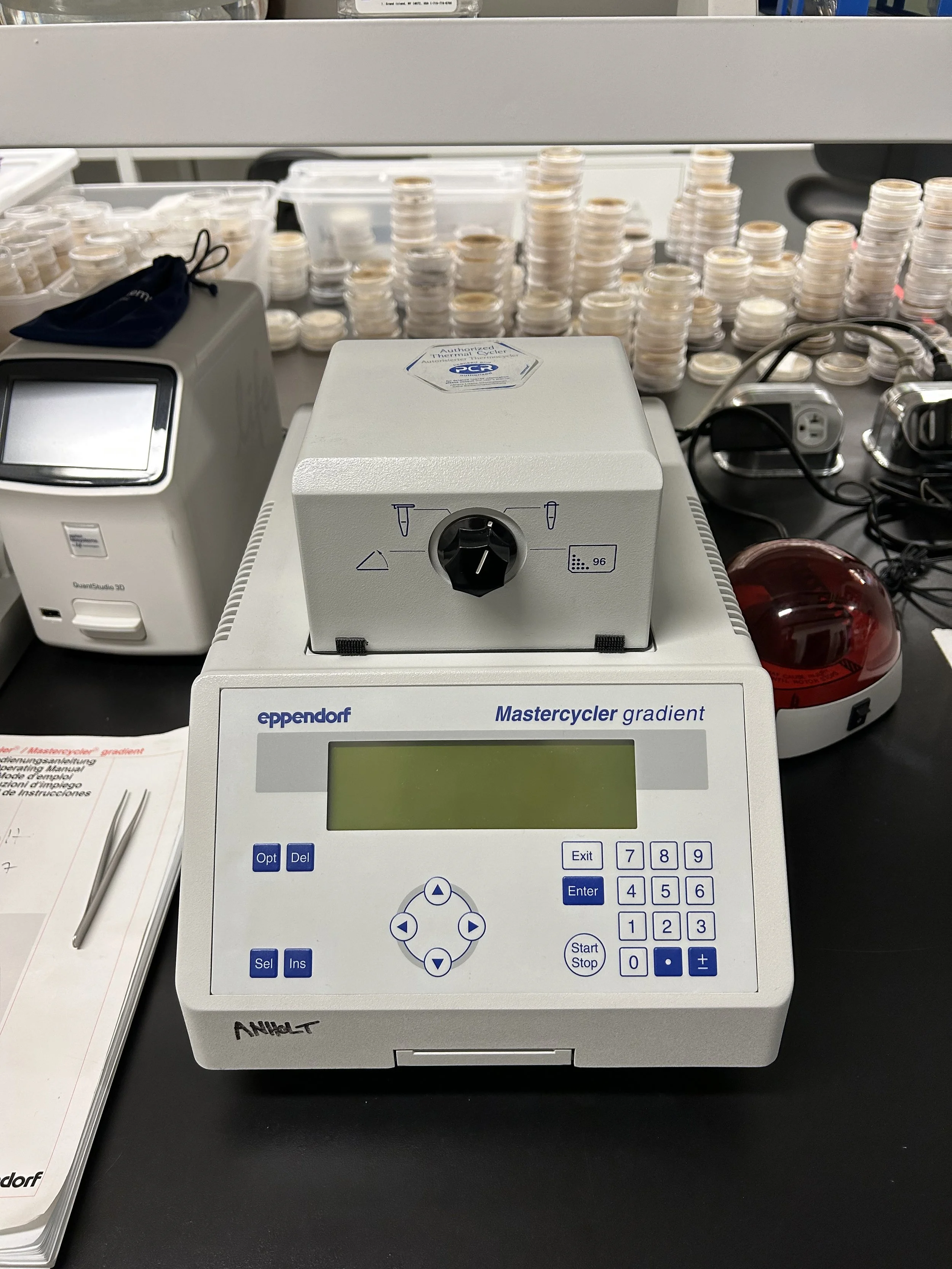
9. The workhorse of the whole operation, the PCR
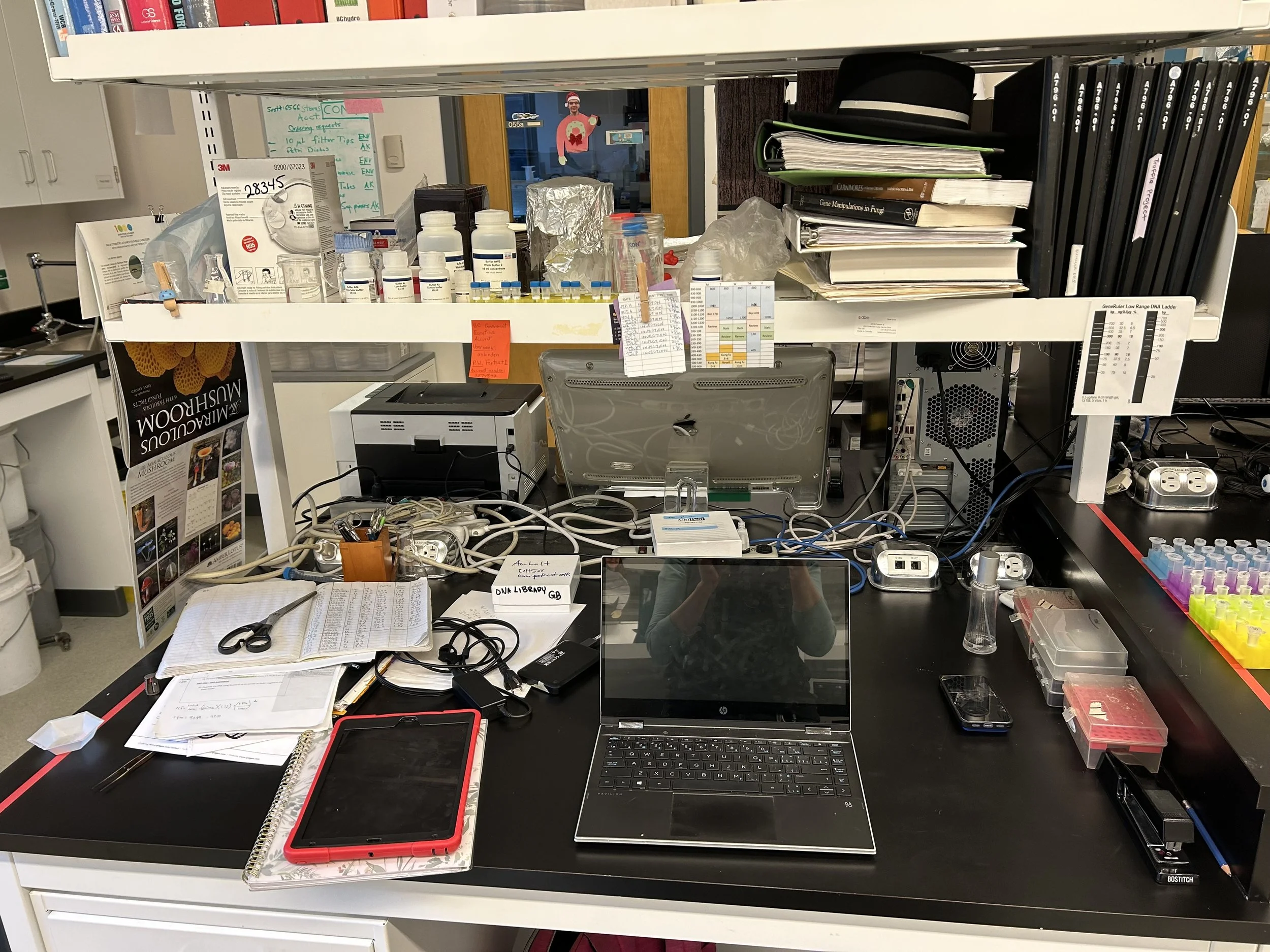
10. My work station
11. 12. 13. 14. 15.
11.The big centrifuge
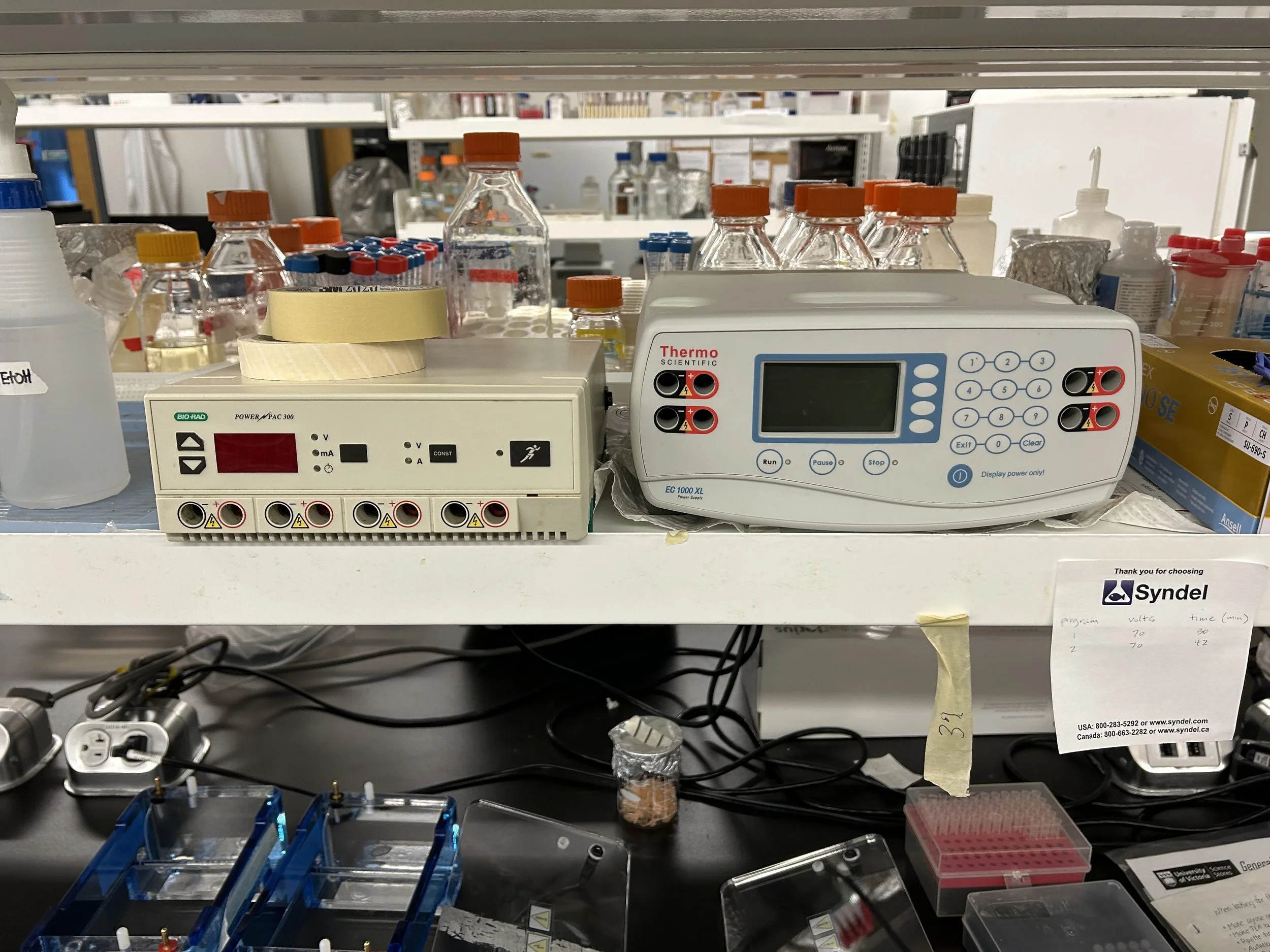
12. Gel electrophoresis timers
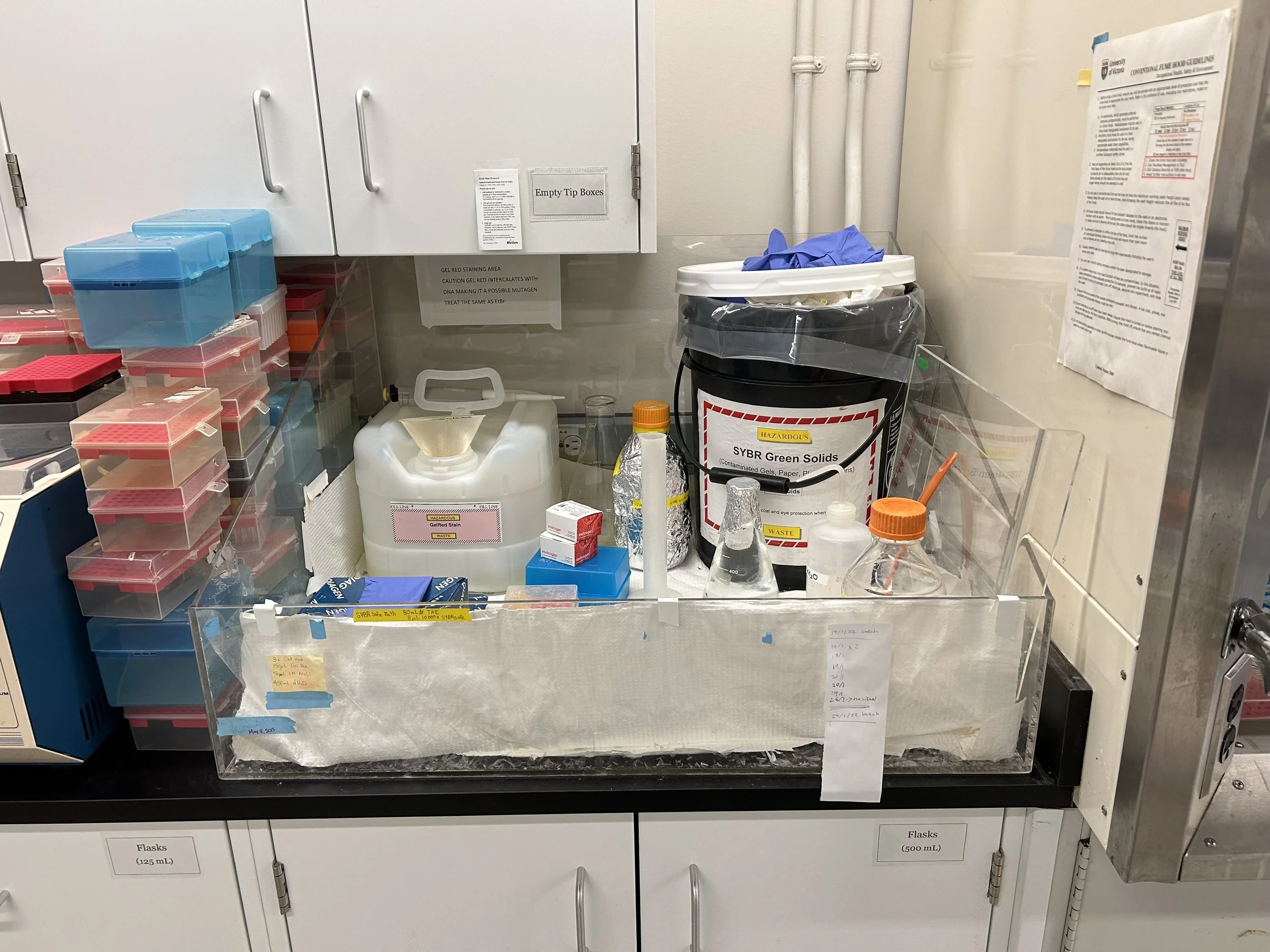
13. The gel electrophoresis station
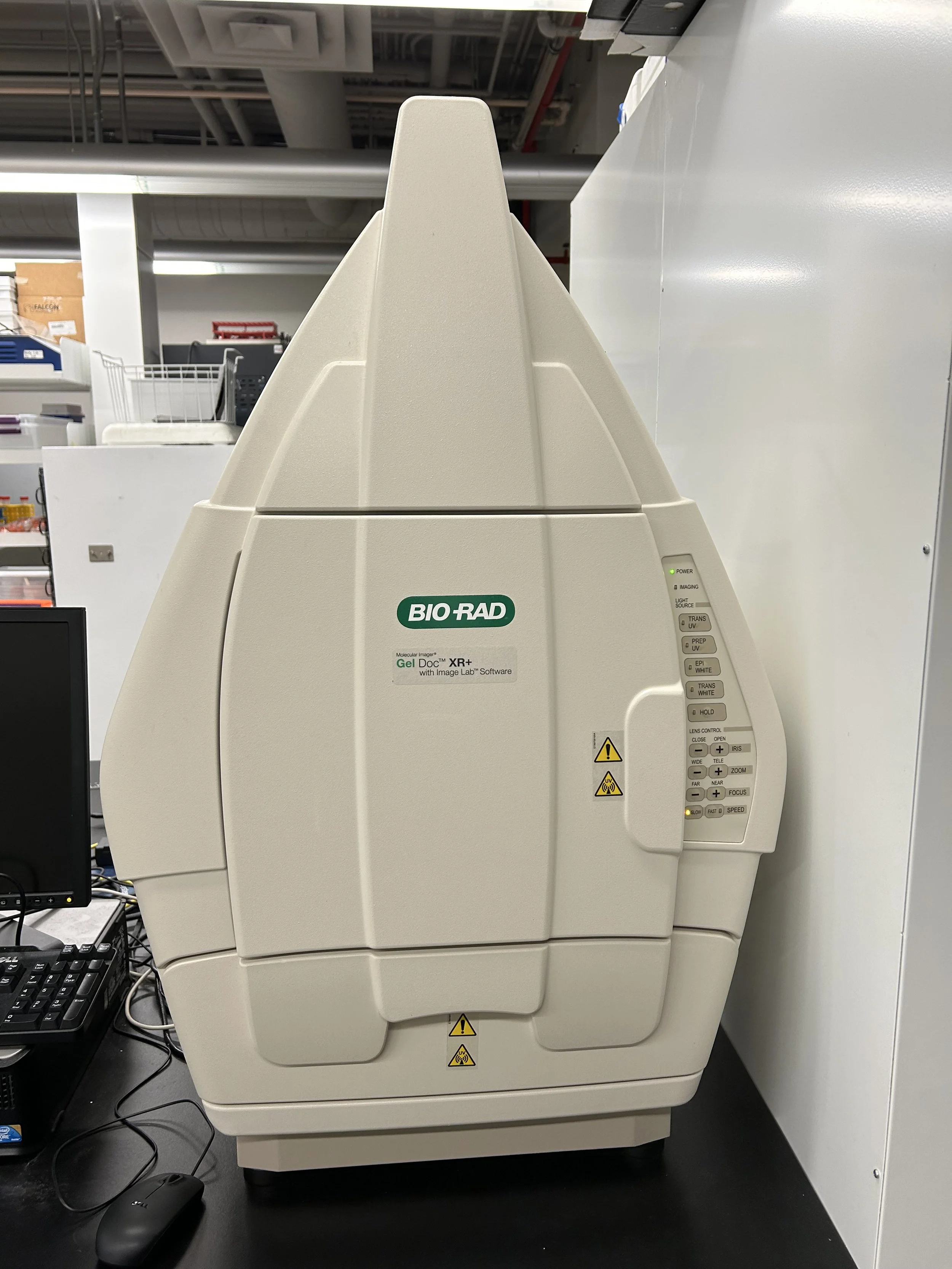
14. The gel imager for viewing the PCR bands
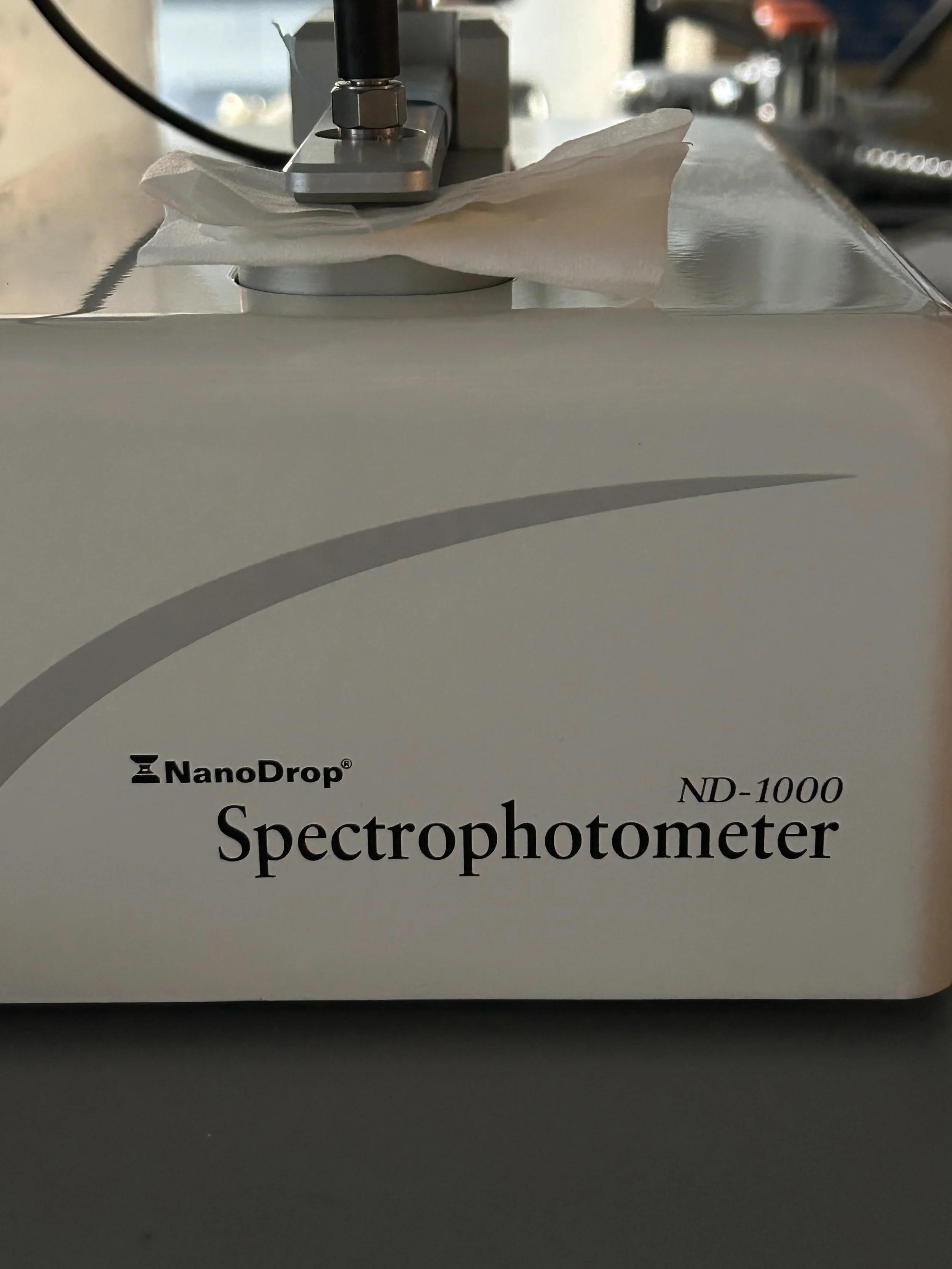
15. The spectrophotometer for QC concentration determination