Past Projects
2026
MÁW̱UEĆ freshwater macroinvertebrate project
This project is currently still in its beginning stages. We are investigating the newly created wetlands for benthic macroinvertebrate community composition.
The site will be monitored and the functional group abundances will be calculated.Phenological timing between the maturation of the aquatic invertebrates, and the seasonal growth of riparian and wetland plants will be considered.
Restoration techniques for the enhancement of the salmonid environment will be developed.
Collaboration with Peninsula Streams and Shorelines will take place and restoration techniques and information will be fed into the active riparian restoration.
A baseline of invertebrate populations will be established.
Development of capacity within Tsartlip Nation to maintain the baseline monitoring following the completion of the Master’s degree will be one of the primary outcomes.
This project consisted of regular checks of a light trap in Victoria’s Inner Harbour Marina.
Identification of early and late cohort Dungeness crab instars,
Pacific Sandlance and juvenile salmonids, among other species
The Dungeness light trap Project - Hakai Institute
2025 - 2026
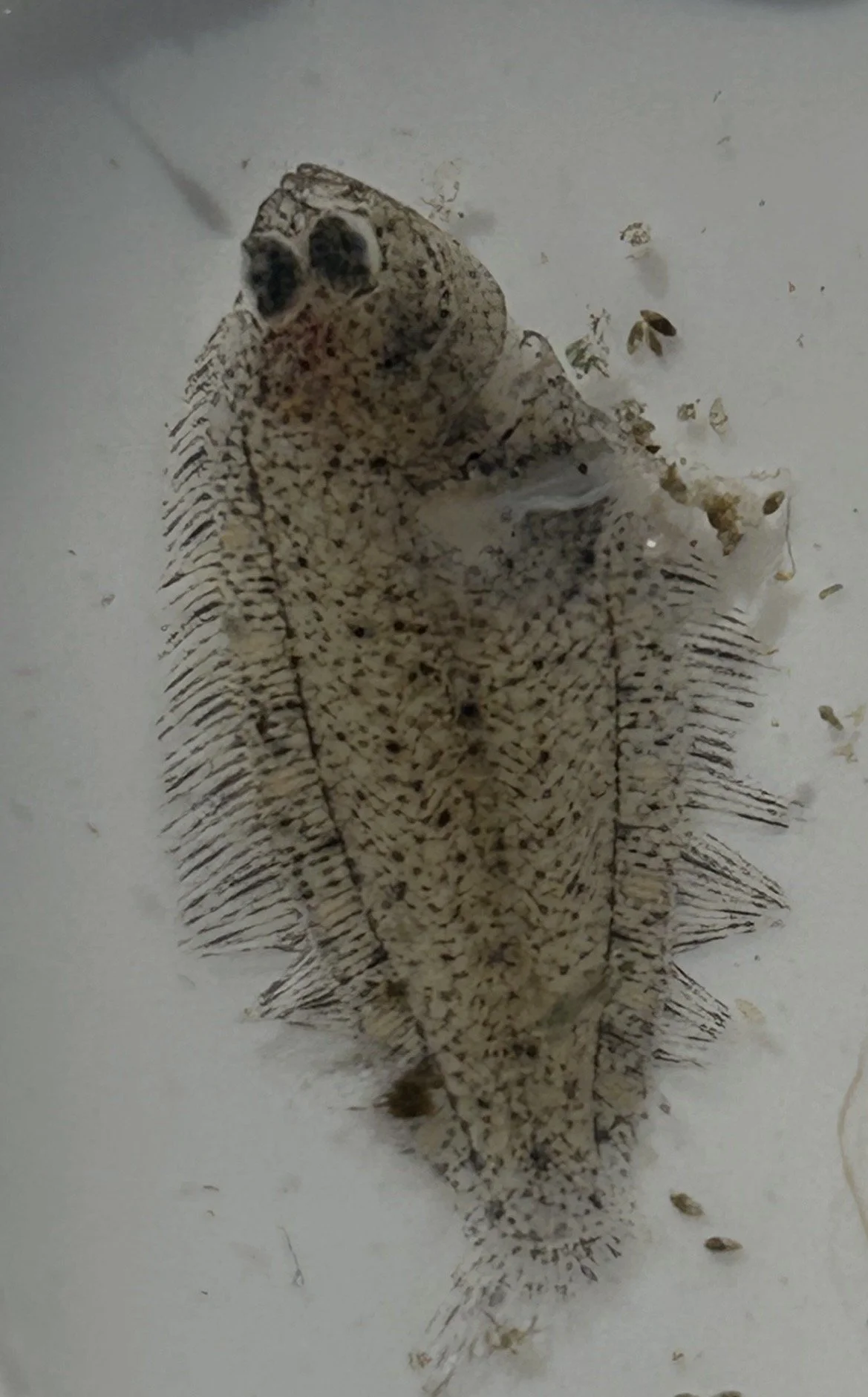
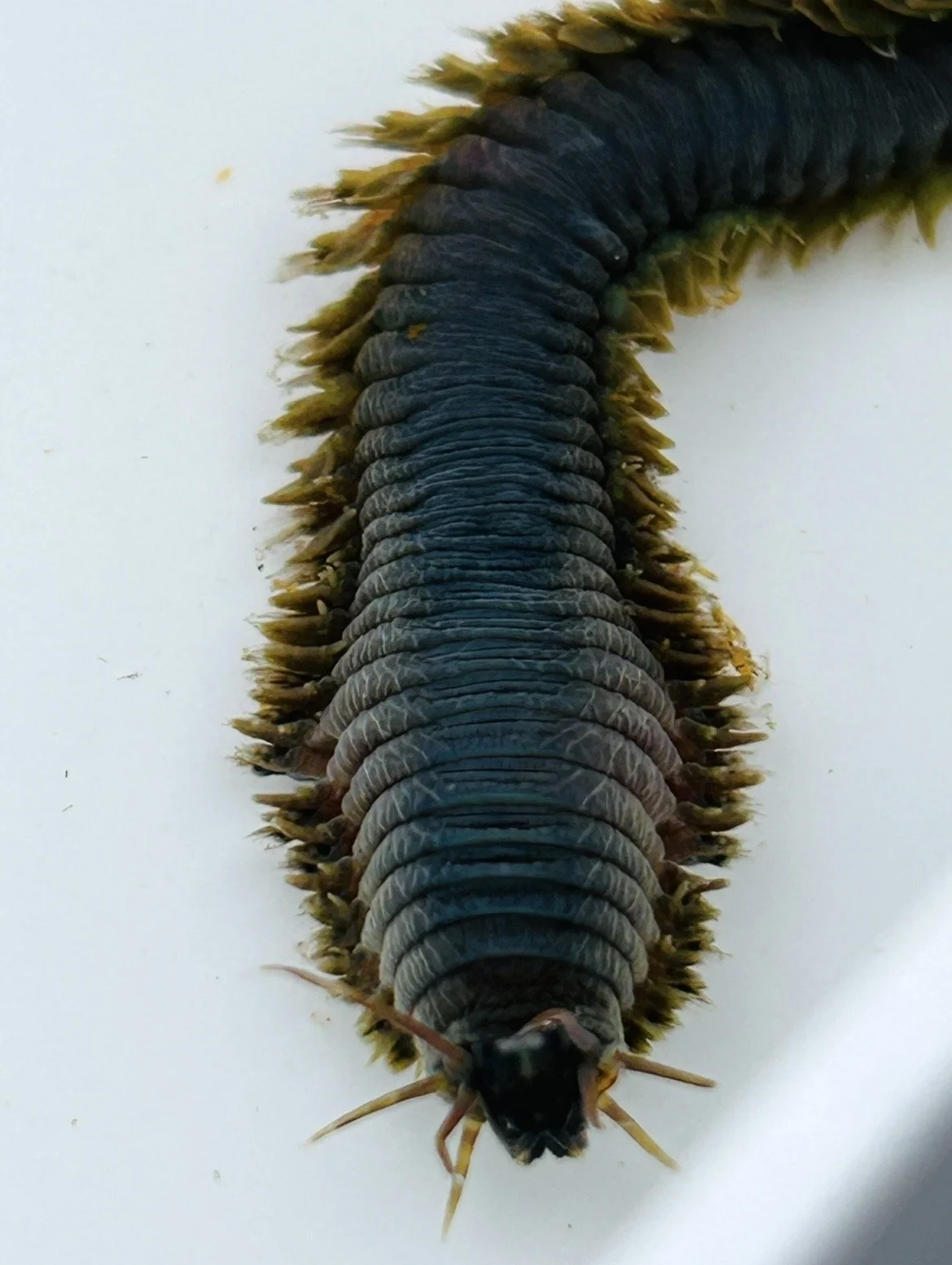
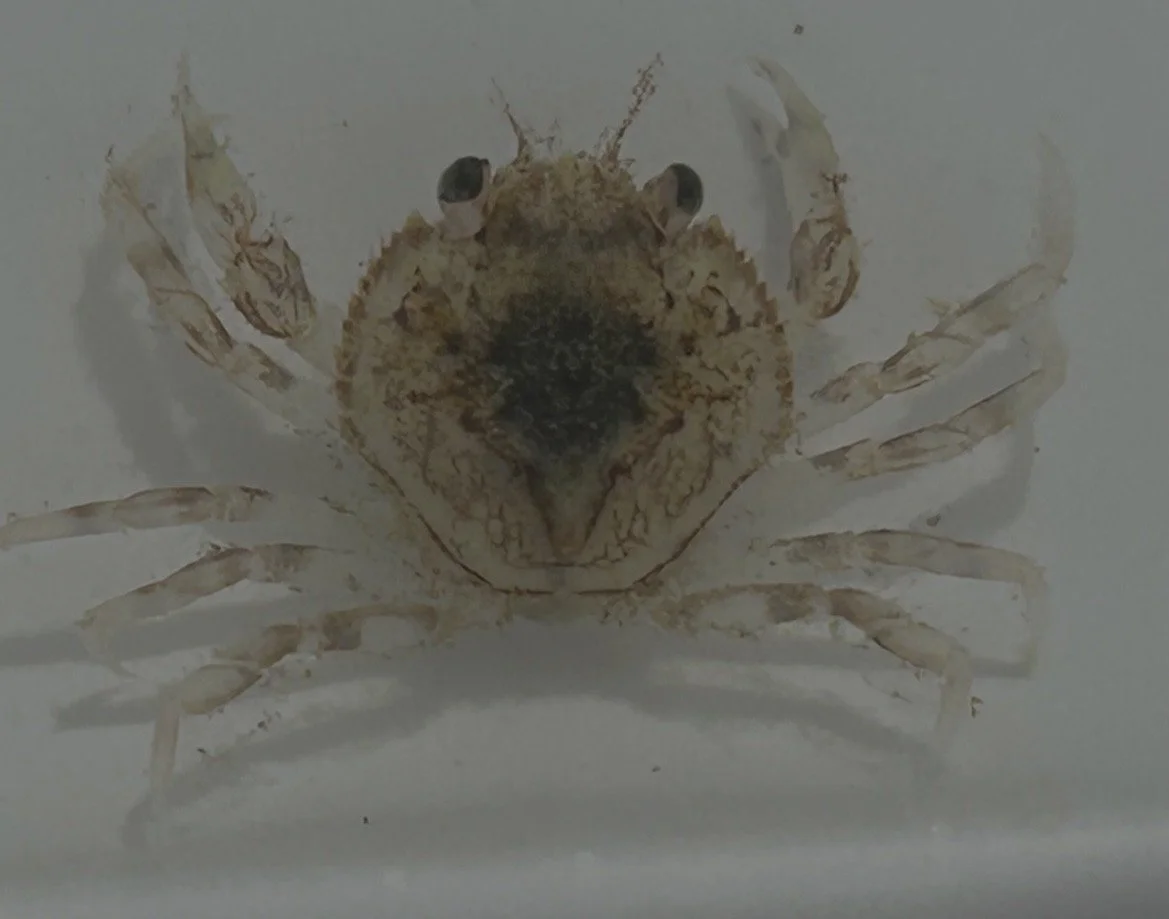
Photo credits: Meara McIntosh. Subjects from the Victoria Inner Harbour Marina Light Trap
From left to right: Pleuronectiformes (Flatfish); Family Nereididae (Ragworm, or Pile worms); Metacarcinus magister (Dungeness crab)
This project was about the investigation of how anthropogenic acoustic
disturbance (noise pollution) uncouples the predator-prey response of
Pacific Sand Lance (Ammodytes personatus).An ethogram for the Pacific Sand Lance was developed and their anti-predation
behavioural reactions were studied.
The Sandlance Project - Juanes Lab
Ethogram of the predator-prey response of the Pacific Sand Lance
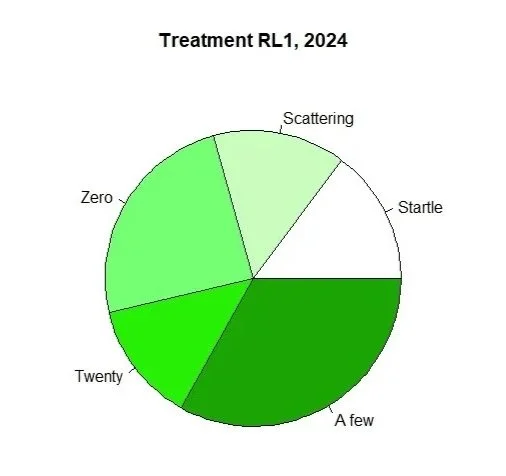
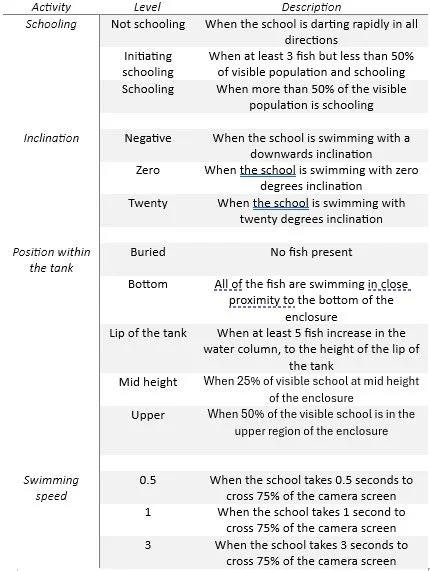
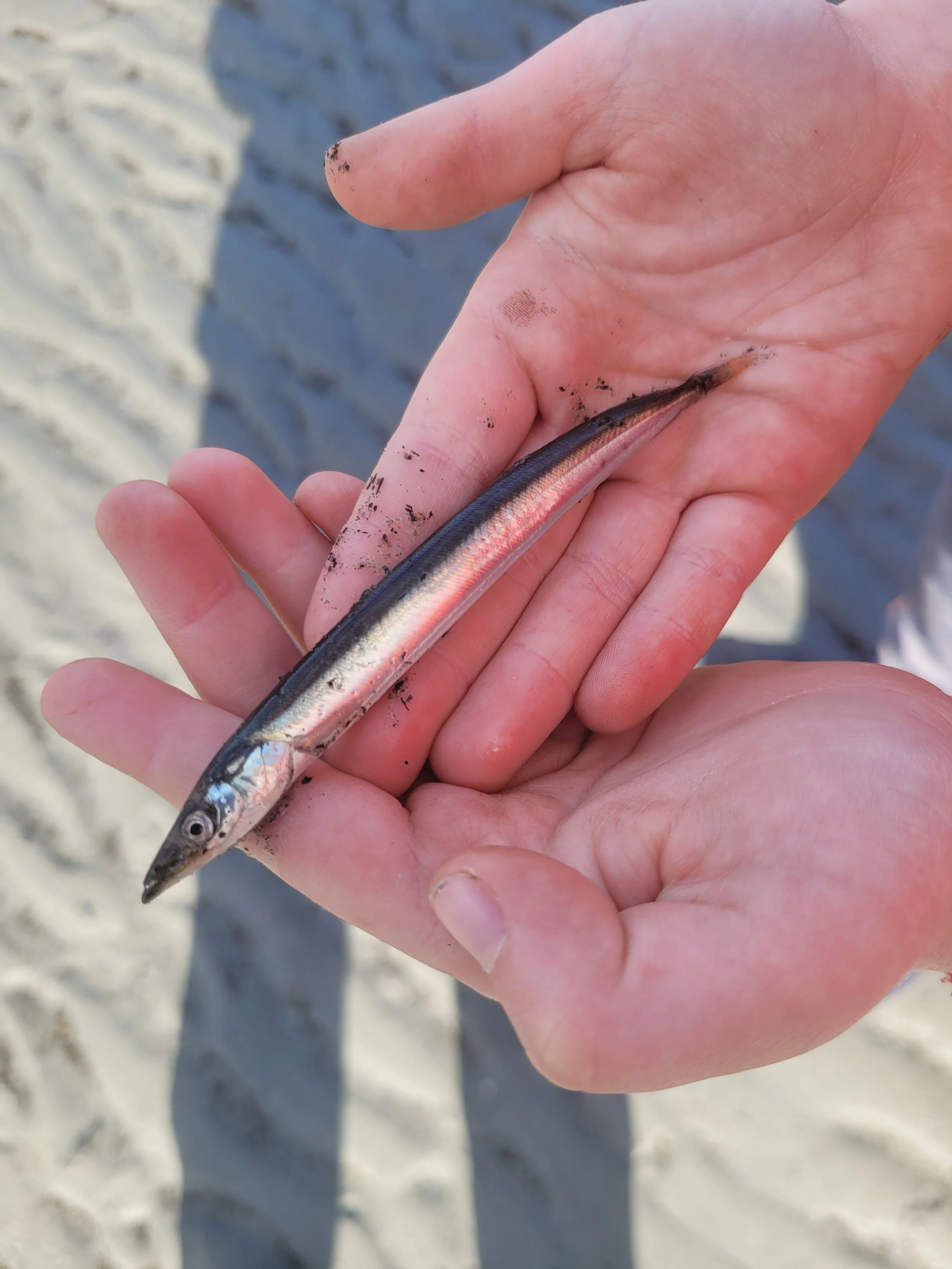
Photo credits: Meara McIntosh
Pacific Sandlance (Ammondytes personatus) at Weir’s Beach
2024
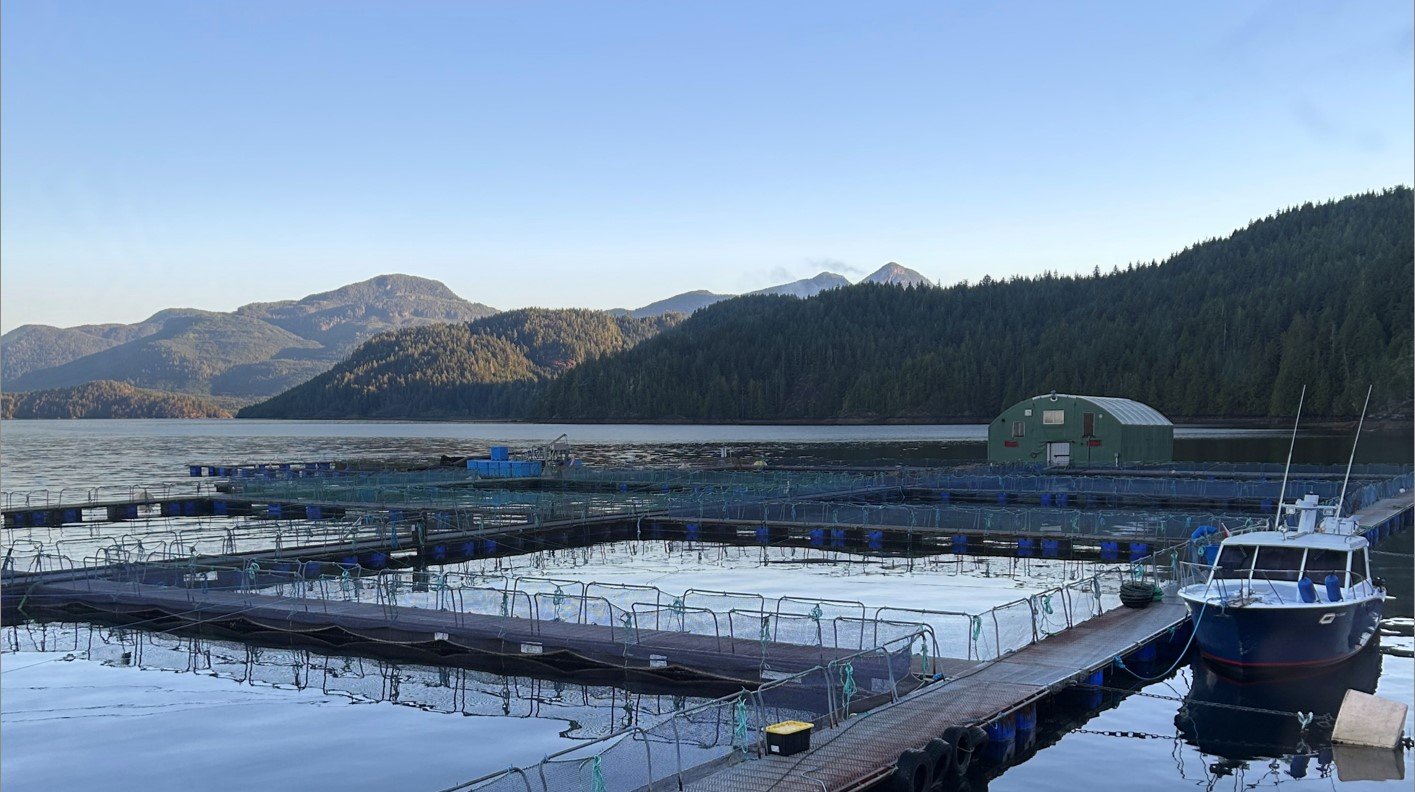
This was a short study based on gender differences in the contraction of disease (Aeromonas spp.) in sablefish (Anoplopoma fimbria).
This project included a 4 day stay at a local sablefish farm
Sablefish DNA project - Taylor Lab
Photo credits: Meara McIntosh
At a sablefish farm on Vancouver Island
Wildlife DNA Project - Hintz Lab & Ministry of the Environment and Climate Change Strategy
2023
The Ministry of the Environment and Climate Change Strategy wanted to build a DNA library of our cherished wildlife focusing on Grizzly bear and Black bears
(Ursus arctos horribilis and Ursus Americanus) .Approximately 250 DNA extractions from hair and tissue samples were completed.
A library of bear DNA sequences was created.
Molecular biology experiments and primers were developed to differentiate isolate fragments of DNA to distinguish between the two species, their genders,
and grizzly bear haplotypes.Experiments and primers were also developed for: Dall sheep and Stone Sheep; Roosevelt Elk and Rocky Mountain Elk, White tail deer and Black Tail deer,
American Moose, and the Grey Wolf.
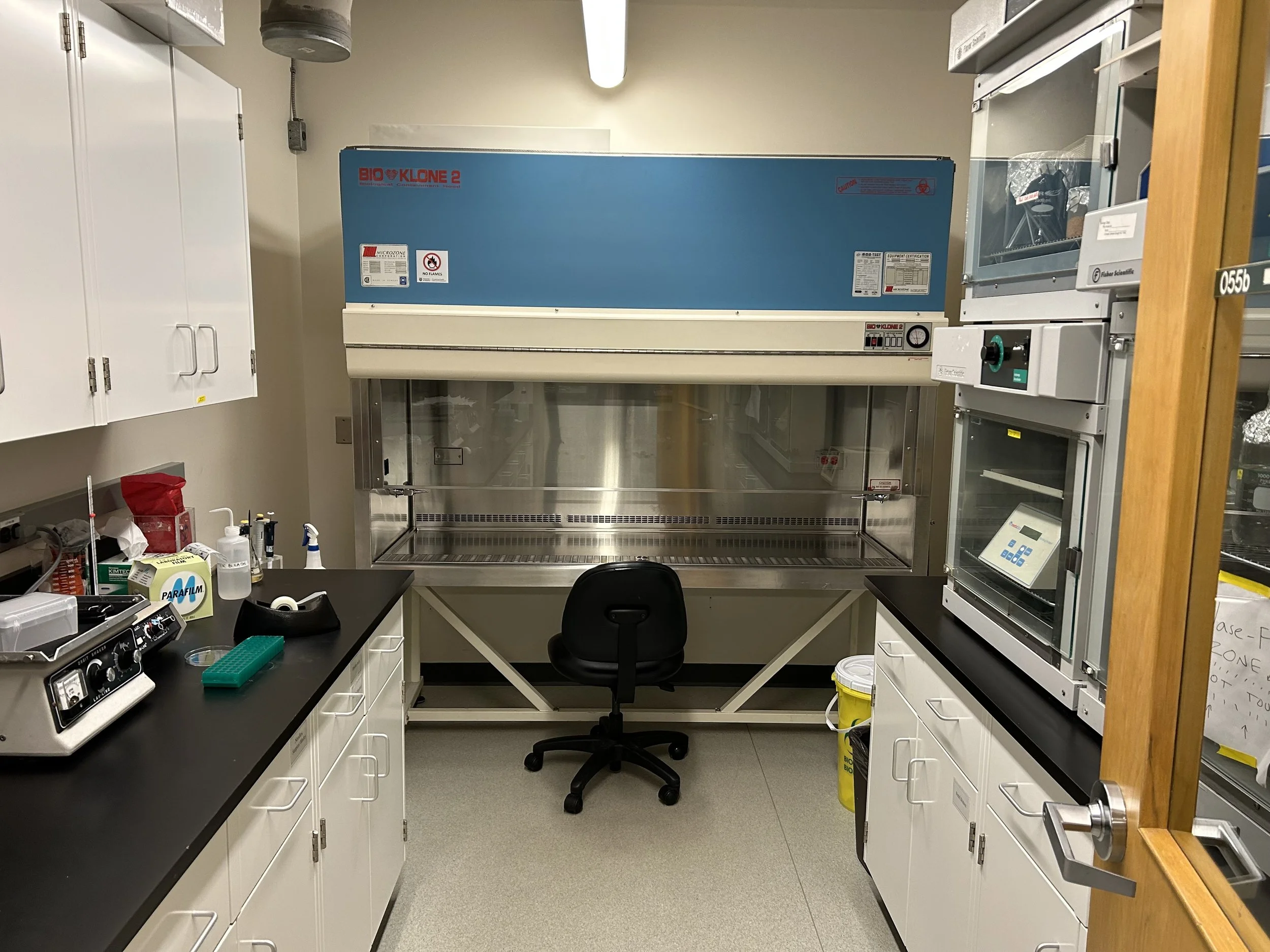
Photo credit: Meara McIntosh
In the Hintz lab at University of Victoria
Restoration of Natural Systems Diploma - A David Suzuki ButterflyWay
This was the capstone project of my diploma in Restoration of Natural Systems at the University of Victoria.
A 350 square foot butterfly garden was built in a neglected urban garden on campus.
It included a complete soil restoration and native species planting.
An exclusion fence was built with structures for bird habitat.
A large concrete birdbath was installed
65 plants belonging to 26 native species were transplanted.
Bokashi fermentation, vermicompost, and use of marine fertilizers were explored.
Upon completion, I began my own butterfly garden at home, which has grown into
a bonafide Pacific West Coast jungle on a patio.
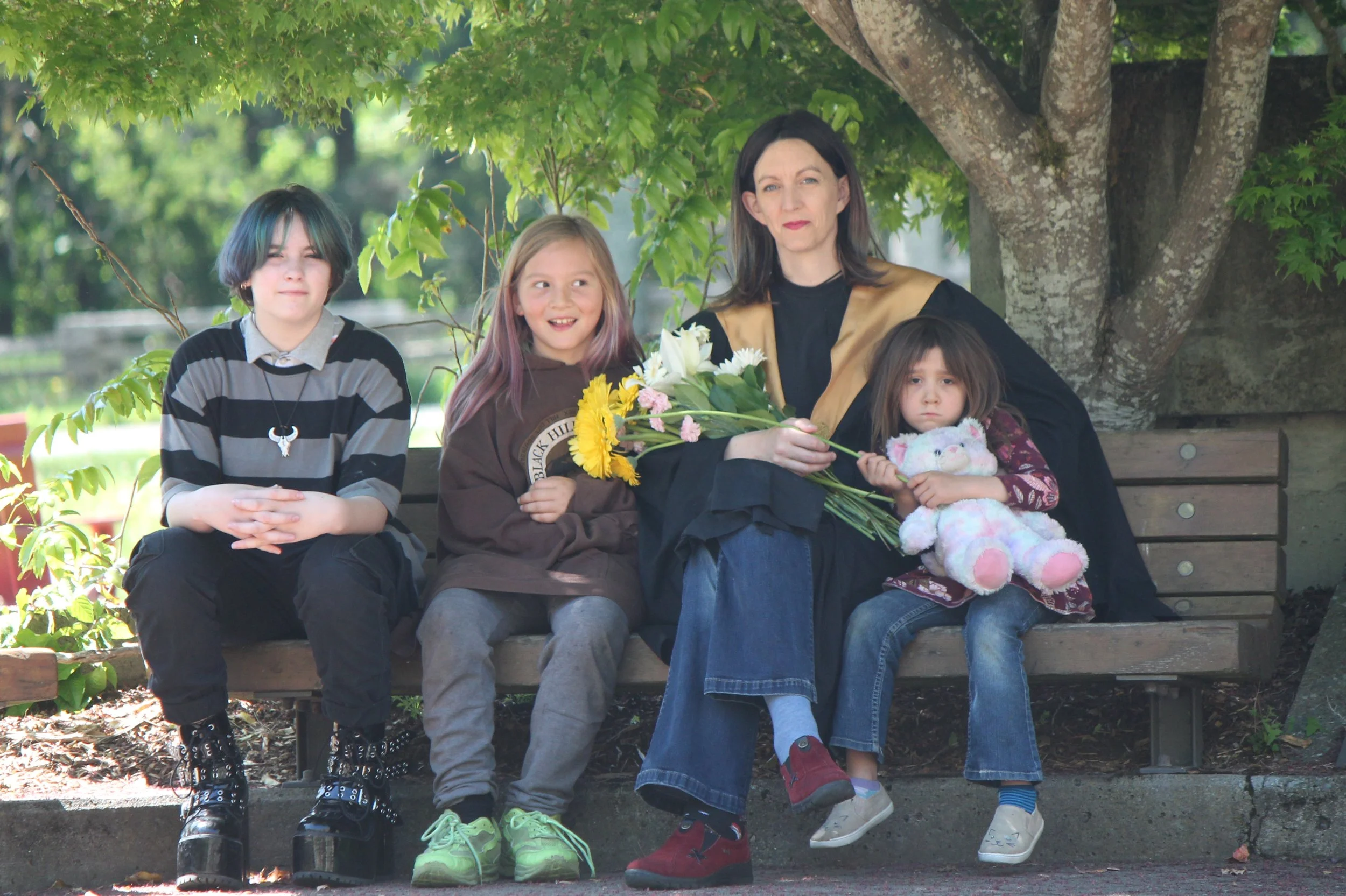
Photo credits: Erin Kennedy
From left to right: August, Knox Meara and Nayeli McIntosh